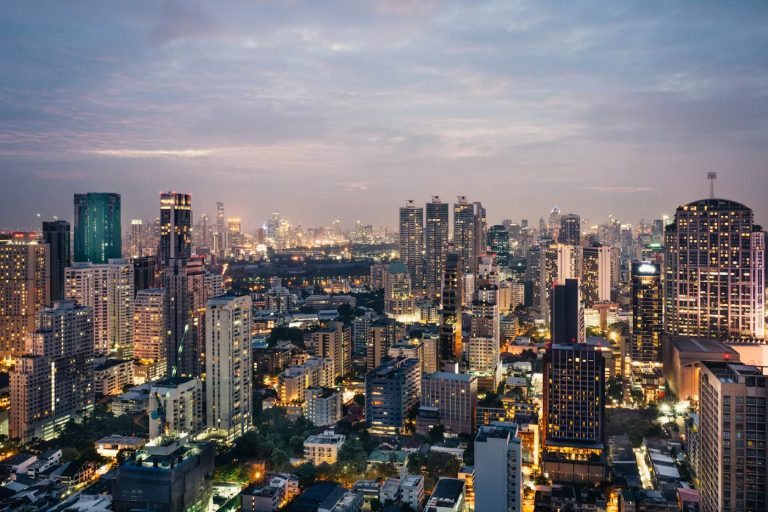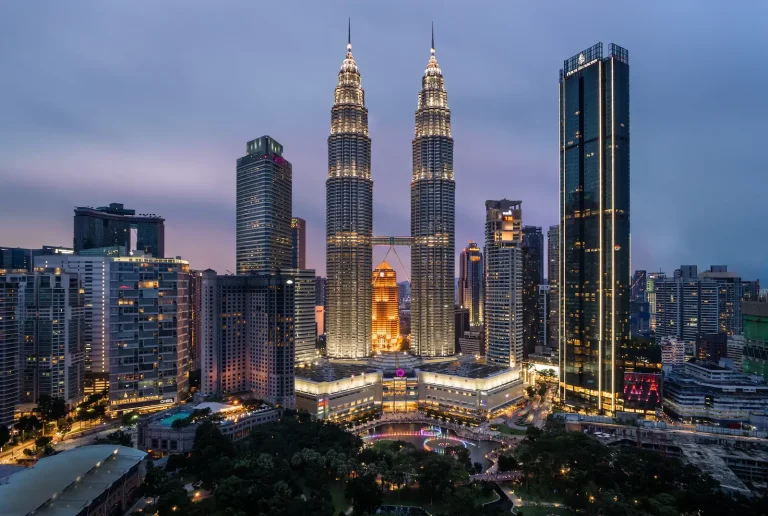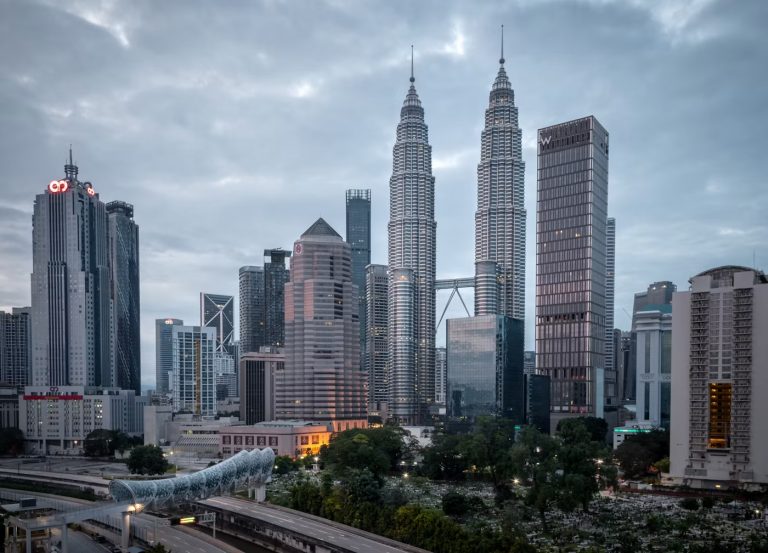
The cost of living in Kuala Lumpur in 2026 is about $2,221 per month for me as a solo traveler. That includes a modern Airbnb, eating out most days, transportation, travel insurance, and a generous buffer for miscellaneous expenses. If you’re willing to rent long-term and eat mostly local food, you can comfortably spend much less.
Luxury travel doesn’t have to break the bank. With the right strategies, you can enjoy premium travel experiences without paying premium prices. Learn how experienced travelers gain airport lounge access, fly business class for a fraction of the usual cost, stay at luxury hotels using points, and withdraw cash abroad without paying unnecessary ATM fees.
In this guide, I’ll show you how to travel smarter by making your money work for you. From earning valuable travel rewards and booking flights the right way to avoiding common travel fees and mistakes, these are the same strategies I use to make every trip more comfortable. Whether you’re planning a weekend getaway or an international adventure, you’ll learn how to travel better while spending less.
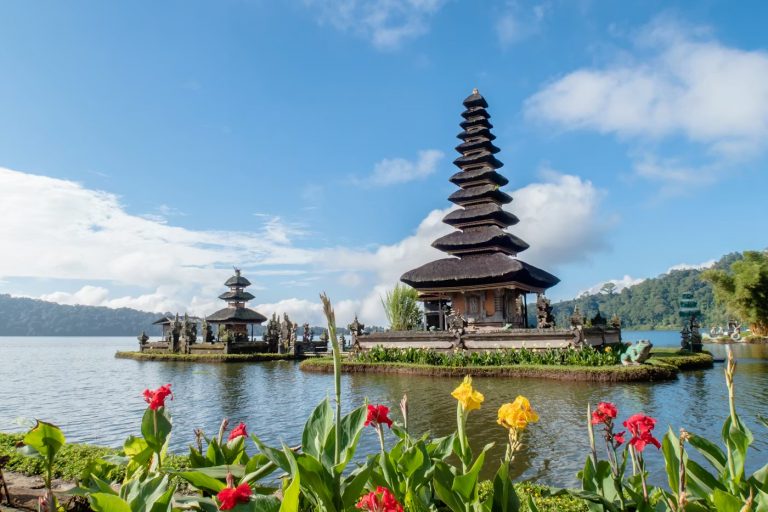
Wondering how much it costs to live in Bali? Budget travelers and backpackers can get by on $1,000–$1,500 per month, while most solo digital nomads should budget $1,500–$2,500 for a comfortable lifestyle. Couples can expect to spend around $2,500–$3,500 per month for a private villa, dining out, coworking, and weekend adventures, while a luxury lifestyle with upscale villas, fine dining, and premium experiences starts at $4,000+ per month.
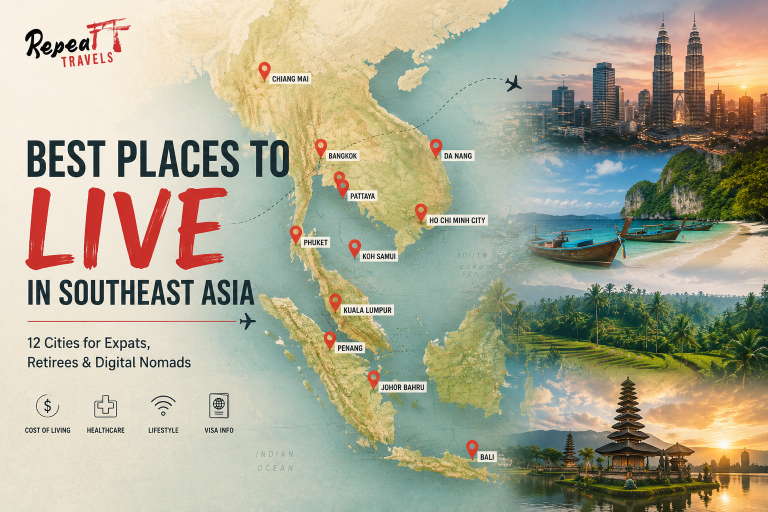
Most retirees should budget $2,500–$3,000 per month for a comfortable lifestyle in Southeast Asia in 2026. While it’s possible to live on less, having around $3,000/month provides flexibility for healthcare, travel, inflation, and unexpected expenses. Based on the 4.5% rule, that means having roughly $660,000–$800,000 saved — or a reliable income source like Social Security or a pension that covers it.
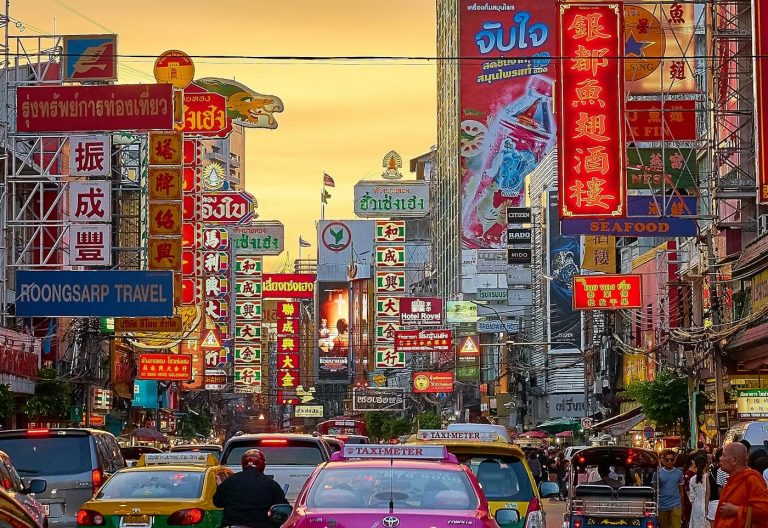
Bangkok Cost of Living 2026
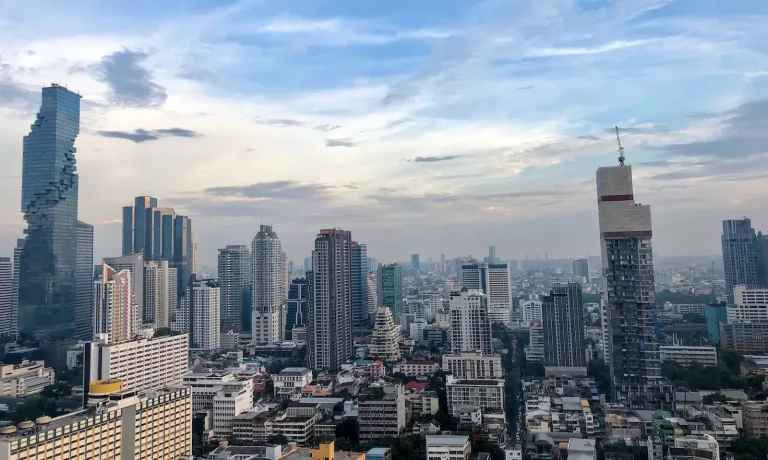
A couple living comfortably in Bangkok on a 90-day stay spends around $2,231/month — modern Airbnb condo, eating out regularly, BTS/MRT transport, travel insurance, and a buffer for miscellaneous. Solo travelers can expect roughly $1,550/month. Budget a minimum of $2,000/month — $3,000+ if you want regional travel and no budget stress.
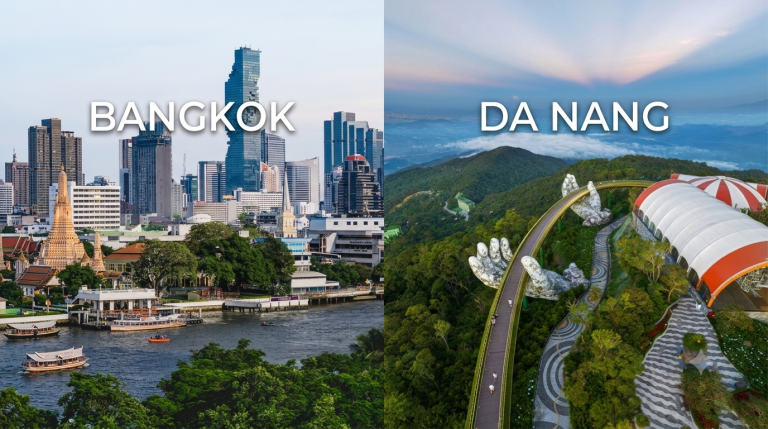
After spending 90 days at a time in Da Nang twice a year for the past three years, we’ve learned what it really costs to live in one of Southeast Asia’s most affordable beach cities. This Da Nang cost of living guide is based on our actual expenses as a couple in 2026—not estimates copied from other websites. We’ll break down exactly what we spend on rent, groceries, restaurants, transportation, healthcare, internet, and everyday living, plus share both our monthly budget and the estimated cost of a full 90-day stay to help you plan your own trip or move with confidence.
Da Nang is one of Southeast Asia’s most affordable beach cities, offering modern apartments, miles of sandy beaches, incredible local food, and a relaxed lifestyle at a fraction of the cost of many other destinations. After spending multiple 90-day stays living here, we’ve discovered the best neighborhoods, hotels, cafés, beaches, and attractions that make Da Nang a favorite for travelers, digital nomads, and retirees alike. In this 2026 Da Nang travel guide, you’ll find everything you need to plan your trip—including the best things to do in Da Nang, where to stay, how much things really cost, where to eat, and insider tips to help you experience the city like a local.
Maximizing travel rewards is only half the battle—keeping your hard-earned money in your pocket is the other. As an expat living overseas, I have optimized my biggest everyday spend categories (accommodations, flights, dining, and groceries) to earn the highest multipliers possible.
To travel efficiently, you need a dual-threat wallet strategy: