Over the years, I’ve stayed in everything from long-term condo rentals and Airbnbs to budget hotels booked through Agoda and branded hotel chains. Each has its place depending on the destination and length of the trip. But as I’ve traveled more throughout Asia, I’ve found myself booking hotels far more often. The combination of affordable rates, pools, gyms, daily housekeeping, complimentary breakfast, and hotel loyalty rewards has made them a better overall value for most of my travels. Today, I build my travel around three hotel credit cards that help me earn free nights, elite status, and valuable perks while keeping accommodation costs surprisingly low. In this guide, I’ll explain why I’ve shifted toward hotels, when I still choose an Airbnb, and the three cards that power my Asia travel strategy in 2026.
Accommodations in SE Asia Guide
Why I’m Booking More Hotels and Fewer Airbnbs
Over the years, I’ve stayed in everything from hostels and budget hotels booked through Agoda to long-term apartment rentals, Airbnbs, and luxury condos. I don’t think there’s a single “right” way to travel, and I still book an Airbnb when it makes sense. But over time, I’ve found myself preferring branded hotels more often, especially when I’m visiting a city for a few weeks or even a couple of months.
Whenever I traveled to a new destination, my routine was always the same. I’d research the best neighborhoods to stay in, open Agoda, apply my filters, sort by price, and spend hours comparing hotels until I found one that was clean, modern, well-reviewed, and reasonably priced. I don’t mind paying for quality, but I also don’t like overpaying.
Along the way, I’ve experienced just about everything: Airbnb handoffs, photos that didn’t match reality, outdated listings, misleading reviews, power outages, damage disputes, waiting for security deposits to be returned, and even a premium serviced apartment that turned out to be roach-infested. Most trips went smoothly, but there was always an element of uncertainty.
The biggest reason I’ve shifted toward branded hotels is consistency and simplicity. Instead of searching through hundreds of listings across multiple booking sites, I can now open the Hyatt, IHG, or Marriott app, compare the available properties, and usually book within 15 minutes. I already know the standards each brand delivers, making the entire booking process faster, easier, and far less stressful.
Branded hotels also provide amenities that I use almost every day. Reliable Wi-Fi, a gym, swimming pool, daily housekeeping, an on-site restaurant, and often complimentary breakfast or executive lounge access all add value that I’d otherwise have to pay for separately. When paired with the right hotel credit card, I’m also earning roughly 10–13% back on many of my hotel stays in the form of points, while building elite status that unlocks free nights, room upgrades, bonus points, and late checkout. Instead of every booking being a one-time expense, each stay contributes to making future trips cheaper and more comfortable.
A hotel room is more than just a place to sleep. The difference between booking a great property and a bad one can shape your entire trip. A clean, safe, comfortable room where you can relax, get a good night’s sleep, and recharge makes every day of your travels more enjoyable. After years of moving around Asia, I’ve learned that consistency is worth paying for—and earning rewards, free nights, and elite perks along the way is simply an added bonus.
Why I Chose These Three Hotel Programs

Since I slow travel and don’t have a permanent home base, I wanted a hotel strategy that works almost anywhere in Asia. But this system isn’t just for full-time travelers. Whether you travel every month or only take one vacation a year, concentrating your stays within a few hotel programs lets you earn rewards faster and get more value from every trip.
Together, these three hotel programs give me excellent coverage throughout Asia while allowing me to earn points faster, build elite status, and redeem free nights more often.
Each program has a specific role. Hyatt is where I redeem transferable points for high-value stays, especially when I want to splurge on a luxury hotel. IHG is my workhorse thanks to its large footprint across Asia and consistent value at a wide range of price points. Marriott fills the gaps, giving me quality options in destinations where Hyatt or IHG have fewer properties.
Instead of sifting through hundreds of hotels on booking websites for every trip, I now start with just three hotel apps. I usually check IHG first because it has the broadest coverage across the destinations I visit, then compare Marriott properties to see if there’s a better value. Hyatt is different—I rarely pay cash for Hyatt stays and instead save my Bilt points for high-value redemptions. This simple system has dramatically reduced the time I spend researching hotels while turning every paid stay into an investment toward future free nights and elite status instead of just another travel expense.
| Having Hotel Status | What to Expect |
|---|---|
| Late Checkout
| Guaranteed late departure up to 4:00 PM (or 2:00 PM based on availability) to relax on your final day. |
| Free Breakfast
| Daily complimentary hot restaurant breakfast or full executive lounge access for two adults. |
| Room & Suite Upgrades
| Space-available upgrades at check-in, including premium views, high floors, or full Standard Suites. |
| Waived Resort Fees
| Pay $0 in mandatory resort or destination fees on eligible paid and points stays (saving $30–$60+/night). |
| Executive Lounge Access
| Exclusive access to private lounges featuring daily afternoon tea, complimentary evening cocktails & hot appetizers, and all-day refreshments. |
| Welcome Gifts & Bonus Points
| Choice of arrival amenities (wine, snacks) plus high point multipliers (up to 100% bonus points on stays). |
| Priority Early Check-in
| Priority access to your room before standard check-in hours when available upon arrival. |
Bilt Palladium: The Foundation
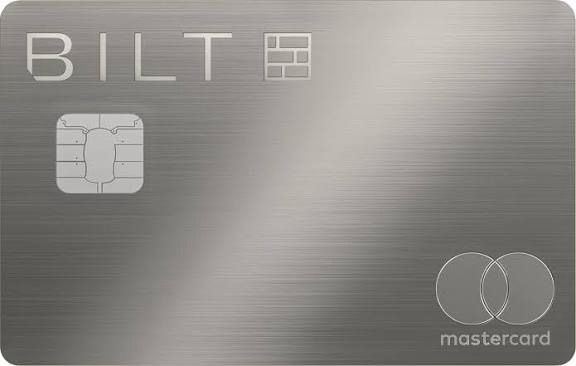
If I could only recommend one card, it would be the Bilt Palladium. Unlike a hotel-branded credit card, Bilt rewards me no matter where I spend. Every purchase earns 2x Bilt Points while also generating 4% Bilt Cash, giving me both transferable hotel points and travel credits that reduce the cost of future trips.
Benefits
- Role: The foundation of my hotel strategy
- Annual Fee: $495
- Everyday Earnings: 2x Bilt Points + 4% Bilt Cash
- Annual Hotel Credits: Two $200 hotel credits & Bilt Cash through the Bilt Travel Portal.
- Best Transfer Partners: World of Hyatt & JAL (1:1)
Why It Fits My Travel Style
Unlike hotel-branded cards that only reward me when I stay within a single chain, Bilt earns rewards everywhere I spend. Whether I’m paying for flights, restaurants, groceries, transportation, or everyday purchases, every dollar moves me closer to my next hotel stay.
The biggest reason this card sits at the center of my strategy is its partnership with World of Hyatt. Bilt points transfer to Hyatt at a 1:1 ratio, allowing me to book some of the highest-value hotel redemptions available anywhere in the world. I save these transfers for premium Hyatt stays throughout Asia where the value per point is often exceptional.
Bilt also gives me flexibility when I choose not to stay at a branded hotel. If I book an Airbnb, a boutique hotel, or a locally owned guesthouse, I’m still earning Bilt Points and Bilt Cash. That means every trip continues building toward future hotel stays instead of leaving rewards on the table.
If you’re ready to build your own hotel strategy, you can apply for the Bilt Mastercard Palladium using my referral link here.
IHG One Rewards Premier: The Workhorse
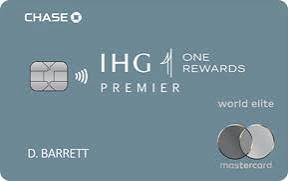
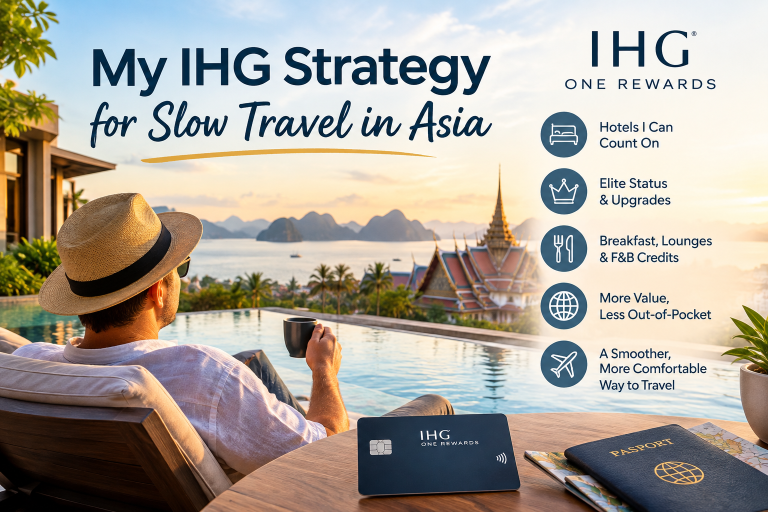
If I could only keep one hotel card for traveling around Asia, this would probably be it. While Hyatt is where I redeem points for luxury stays, IHG is the program I rely on most because of its massive footprint throughout the region. Whether I’m visiting a major city or a smaller destination, there’s usually an IHG property nearby at a price point that fits my budget. It’s almost always the first hotel app I open when planning a trip.
Benefits
- Effective Return: Approximately 13% back on eligible IHG stays. 26 points × 0.5¢ = 13¢ in value per $1 spent.
- Annual Fee: $99
- Automatic Status: Platinum Elite
- Best Benefit: Every 4th award night is free
- Annual Perk: Free Night Certificate worth up to 40,000 points
- Best Redemption Brands: Crowne Plaza, Voco, and InterContinental
How I Use It
I use the IHG One Rewards Premier to pay for many of my hotel stays throughout Asia. Every paid stay earns points and elite qualifying nights, helping me work toward Diamond Elite status while building a balance of points for future trips.
One of my favorite benefits is the 4th Night Free. Whenever I redeem points for a stay of four consecutive nights, the fourth night costs zero points. Since I often stay in one destination for several days, this benefit alone can save thousands of points every year.
I also buy IHG points whenever they’re offered with a 100% bonus promotion. Because I know I’ll use them, it’s an easy purchase for me. My rule is simple: if I can redeem those points for 0.62 cents per point or more, buying points is often cheaper than paying the hotel’s cash rate. Over time, this strategy has saved me hundreds of dollars while allowing me to stay in nicer hotels.
Rather than redeeming points at the cheapest properties, I usually save them for brands like Crowne Plaza, Voco, and InterContinental, where I can often get significantly better value per point and enjoy a much better overall experience.
My Status Goal
The card automatically gives me Platinum Elite status, which includes bonus points and the opportunity for room upgrades.
My goal each year is to reach Diamond Elite. That’s where the program becomes much more rewarding with complimentary breakfast, executive lounge access at participating hotels, better upgrade opportunities, and even more bonus points. Since I travel throughout Asia for much of the year, those perks quickly add up and can easily save hundreds of dollars over the course of a year.
If you’re interested in building a similar hotel strategy, you can apply for the IHG One Rewards Premier using my referral link. It’s the card I use most throughout Asia and the foundation of my hotel setup.
Marriott Bonvoy Boundless: My Gap Filler
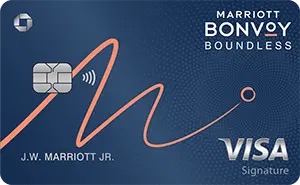
Marriott isn’t the hotel program I use most, but it’s an important part of my overall strategy. While IHG handles the majority of my paid stays and Hyatt is where I redeem points for luxury hotels, Marriott fills the gaps when those two programs don’t have the right property or the best value.
Why I Keep It
- Annual Fee: $95
- Effective Return: Approximately 10.5% back on eligible Marriott stays. 17 points × 0.62¢ = 10.54¢ in value per $1 spent.
- Annual Perk: Free Night Award every account anniversary.
- Best Benefit: Every 5th award night is free when redeeming Marriott Bonvoy points.
If Marriott fits your travel style, you can apply for the Marriott Bonvoy Boundless using my referral link here.
How My Three-Card Hotel Strategy Works

None of these cards is perfect on its own. The value comes from using them together, with each card serving a different purpose.
Bilt is the foundation. I use it for everyday spending, earn hotel credits through the Bilt Travel Portal, and transfer points to Hyatt whenever I find a great redemption. It’s the card that’s quietly earning rewards every day, whether I’m booking hotels or not.
IHG One Rewards Premier is my workhorse. Most of my paid hotel stays go here because of IHG’s extensive footprint throughout Asia. The annual free night certificate, 4th Night Free benefit, and strong earning rate make it the hotel program I rely on most.
Marriott Bonvoy fills the gaps. When Hyatt or IHG don’t have the right property, Marriott usually does. I’ll also book Marriott when I find a great cash rate, want to redeem points instead of paying cash, or can take advantage of the 5th Night Free benefit on award stays.
The biggest advantage of this system isn’t just earning points—it’s simplifying how I travel. Instead of spending hours searching every booking website, I usually start with these three hotel apps. If one of them has a property in the right location at a competitive price, the decision is easy.
Every paid stay earns points. Every redemption lowers the cost of future trips. Every night helps build elite status. Over time, what started as a way to save money has become a system that makes travel easier, more rewarding, and far more predictable.
Is Airbnb Worth It in Asia?

Airbnb can still be a great option in Asia, especially for longer stays when you want a kitchen, more space, or a place that feels like home. I’ve used Airbnb, long-term apartment rentals, and serviced condos throughout my travels, and there are still situations where they’re the best choice.
That said, I’ve gradually shifted toward hotels for most of my trips. The biggest reason isn’t just convenience—it’s the overall value. When I’m renting an Airbnb, I typically spend around $900–$1,100 per month on accommodation, plus another $500 or so each month on groceries and dining out for two.
With hotels, the nightly rate may be a little higher, but once you factor in hotel rewards, the equation changes. Paying with the right hotel credit card can earn anywhere from 10–13% or more back on eligible stays in the form of points, while elite status adds complimentary breakfast, executive lounge access with food and drinks, room upgrades, late checkout, daily housekeeping, a gym, and a swimming pool. Those benefits don’t just make travel more enjoyable—they can also offset a meaningful portion of your food and entertainment costs, making the real cost of a hotel stay much closer to an Airbnb than the nightly rate alone suggests.
When I compare the overall experience, the decision has become much easier. I know exactly what to expect, I earn points toward future free nights, build elite status, and every stay contributes to making future trips cheaper. Instead of every booking being a one-time expense, my accommodation budget is working for me.
Airbnb still has a place in my travel strategy, particularly for longer stays in places like Thailand where I want extra space or a kitchen. But for most city trips throughout Asia, I’ve found that hotels now offer the better combination of convenience, consistency, rewards, and overall value.
Final Thoughts
By focusing on just three hotel programs, I’ve simplified the way I travel. Instead of spending hours comparing hundreds of listings, I start with a handful of hotel apps, earn rewards on every stay, and build toward free nights, upgrades, complimentary breakfast, and other perks that make future trips even better.
I still book Airbnbs for some longer stays, particularly in Thailand when I want extra space or a kitchen. But for most of my travels throughout Asia, branded hotels have become the better value. They save me time, reduce uncertainty, and turn every booking into an investment toward my next trip.
If you’re looking to make your travel budget go further without sacrificing comfort, building a simple hotel strategy is one of the best changes you can make. It certainly has been for me.