
Wondering how much it costs to live in Bali? Budget travelers and backpackers can get by on $1,000–$1,500 per month, while most solo digital nomads should budget $1,500–$2,500 for a comfortable lifestyle. Couples can expect to spend around $2,500–$3,500 per month for a private villa, dining out, coworking, and weekend adventures, while a luxury lifestyle with upscale villas, fine dining, and premium experiences starts at $4,000+ per month.
Bali, the Island of the Gods, remains a dream destination — vibrant culture, stunning landscapes, and a genuinely relaxed pace of life. It’s also no longer the ultra-budget destination it once was: Canggu and Uluwatu rents have climbed noticeably since 2021, and the island now has an official long-term remote-worker visa alongside the usual tourist options. This guide walks through a real monthly budget, updated for 2026 pricing.
About This Guide
We spend a month in Bali almost every year. We enjoy the good food, friendly people, and relaxed beach vibe, so it’s become part of our annual travel routine.
My Monthly Costs in Bali
Two people, one month in Bali. We spent the month exploring different parts of the island. Most mornings we had a light breakfast in our room, ate dinner out almost every night, and bought groceries mainly for beer, water, and snacks. Here’s exactly what we spent.
Our Actual Total
$1,911
Per Month (2 People)
Comfortable Villa Couple Est.
$2,650
Per Month (2 People)
| Expense | Monthly (Couple) | Notes |
|---|---|---|
| 🏠 Housing & Utilities Accommodation | $800 | Mid-range private setup; utilities typically bundled in. |
| 🍜 Food & DrinkRestaurants, Groceries, Cafés | $610 | Dinners out nightly, some lunches out, hotel breakfasts, and cafe trips. |
| 🚗 TransportationGrab / Gojek apps | $100 | Using ride-hailing services; no private motorbike rental. |
| 🛂 Visa & MobileVOA Fee & LTE SIMs | $104 | Initial 30-day single entry fee and unlimited data plans for two. |
| 🏥 Travel InsuranceGenki Policy | $160 | Long-term international medical coverage ($80 per person). |
| 🧺 LaundryLocal weight-based service | $37 | Billed by the kilogram rather than per individual clothing item. |
| 📦 Fun & MiscellaneousActivities & Buffer | $100 | Massages, occasional tours, plus a light emergency buffer. |
| Monthly Total | $1,911 | Our actual monthly spending |
Our actual Bali cost of living per month — Canggu hotel/Airbnb stay, 2 people, updated for 2026 pricing structures.
Average Rent in Bali (2026)

Rent is the single biggest swing factor in a Bali budget, and it’s moved a lot since 2021. Canggu asking rents were up roughly 18% year-on-year heading into 2026, and landlords increasingly want two months upfront (deposit plus first month) rather than one. Areas like Sanur and Denpasar remain noticeably cheaper for comparable space.
| Accommodation Type | Monthly Cost |
|---|---|
| Guesthouse / Local Homestay | $220–$450 |
| Modern Studio / Shared Complex | $500–$835 |
| 1-Bed Private Pool Villa (Standard) | $900–$1,400 |
| Prime 1–2 Bed Private Villa | $1,450–$2,500 |
| Premium Luxury Villa (Multi-Bedroom) | $2,800–$5,000+ |
Bali accommodation tiers 2026. Note that upfront annual contracts (paying 12 months at signing) remain the standard path to unlock the deepest discounts on private villas.
Best Areas to Stay in Bali
Each area attracts a different type of traveler — the right choice depends on what you actually want out of the stay:
- Canggu — Best for the nomad social scene. The largest digital nomad community on the island, the highest concentration of coworking spaces, Western restaurants, and gyms. The trade-off is traffic (especially 4–7pm on Jl. Batu Bolong and Jl. Pantai Berawa) and rents that have risen the fastest of any area.
- Ubud — Best for focus and lower costs. Jungle calm, rice paddies, art galleries, and a quieter pace. Trades the beach club scene for meditation, yoga, and a genuinely more affordable rent tier than Canggu for similar square footage.
- Sanur — Best for long-term stability. Family-friendly, calm, under the radar. Spacious apartments near local markets and reliable clinics, at rents well below Canggu or Seminyak.
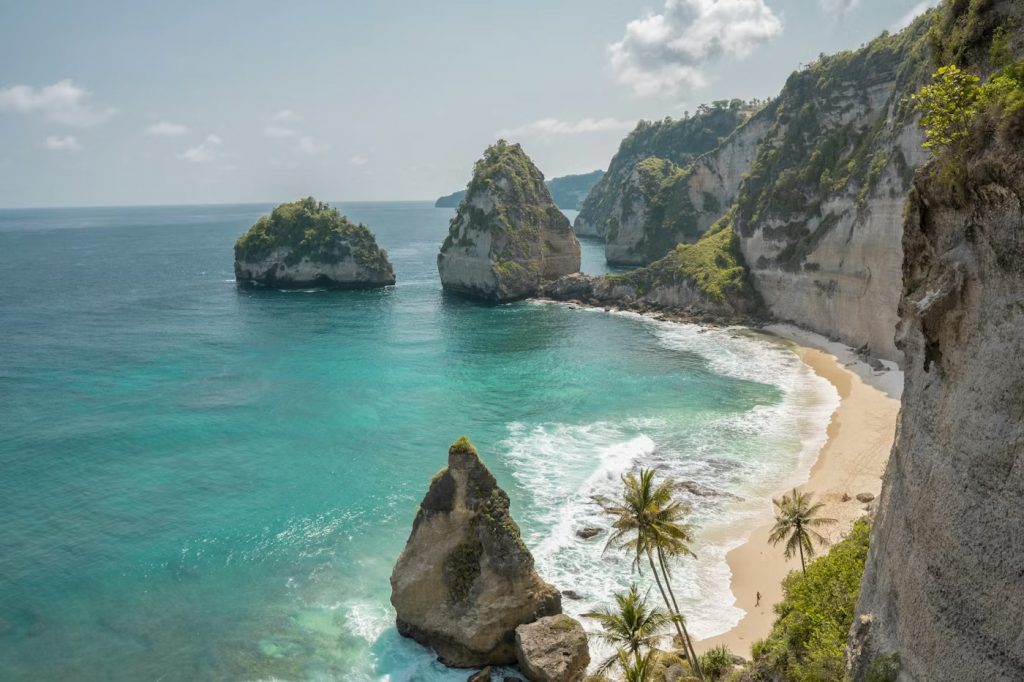
- Uluwatu / Bingin — Best for beaches and a slower pace.Dramatic clifftop scenery and world-class surf, with fewer coworking options within walking distance than Canggu.
- Seminyak — Premium lifestyle, premium price. Stylish, higher cost, closer to nightlife and beach clubs. Worth it if budget allows and that’s the environment you want.
Food and Dining Costs in Bali

Food is where Bali budgets vary the most. Warung meals are still genuinely cheap, but the island’s café and Western restaurant scene has grown a lot, and it’s easy to eat like a tourist without noticing. We spent $500/month on restaurants because we ate out every dinner — a realistic reference point for the “no cooking at all” end of the spectrum.
| Food / Drink Item | Average Price |
|---|---|
| Local Warung (Basic Dish) | $1.10–$2.00 |
| Nasi Campur (Tourist Warung) | $2.20–$3.60 |
| Casual Cafe / Sit-Down Dinner | $3.90–$6.10 |
| Western Main Course (Canggu/Ubud) | $6.60–$11.10 |
| Traditional Kopi Bali | $0.45–$0.85 |
| Specialty Coffee / Latte | $2.20–$3.35 |
| Bintang Beer (Indomaret / Alfa) | $1.40–$1.80 |
| Bintang Beer at a Cafe / Bar | $2.20–$3.60 |
| Cocktail (Beach Club / Lounge) | $7.20–$10.50 |
Bali food and drink averages 2026. Note: Mid-to-high-end restaurants usually add a “++” to prices, representing an extra 15% to 21% combined government tax (PB1) and service charge.
One easy-to-miss trap: imported dairy, cheese, and packaged goods at expat-focused supermarkets cost noticeably more than at home. Shopping at a local pasar (traditional market) instead of the imported-goods supermarkets keeps grocery costs down significantly.
Bali Transit on a Budget: Grab vs. Motorbike

Bali has no meaningful public transportation, so it’s essentially Grab/Gojek versus a motorbike (there’s no real third option). We used Grab exclusively during our stay and spent $100/month — reasonable if you’re not covering much ground daily.
- Grab / Gojek: Upfront, cashless fares. Within Canggu or Ubud, rides run roughly IDR 20,000–40,000 ($1.25–$2.50); cross-island trips to the airport push toward IDR 150,000 ($9.50).
- Motorbike rental (monthly): IDR 750,000–1,000,000 ($47–$63) for a reliable automatic with helmet and basic insurance, plus roughly IDR 200,000 ($13)/month in fuel for moderate island-hopping.
- Motorbike rental (daily): From around IDR 65,000 ($4).
- International Driving Permit: Legally required alongside your national license if you ride or drive in Bali — order one online before you travel. Traffic can be genuinely chaotic in tourist areas; an IDP plus real riding experience matters for safety, not just paperwork.
Healthcare in Bali
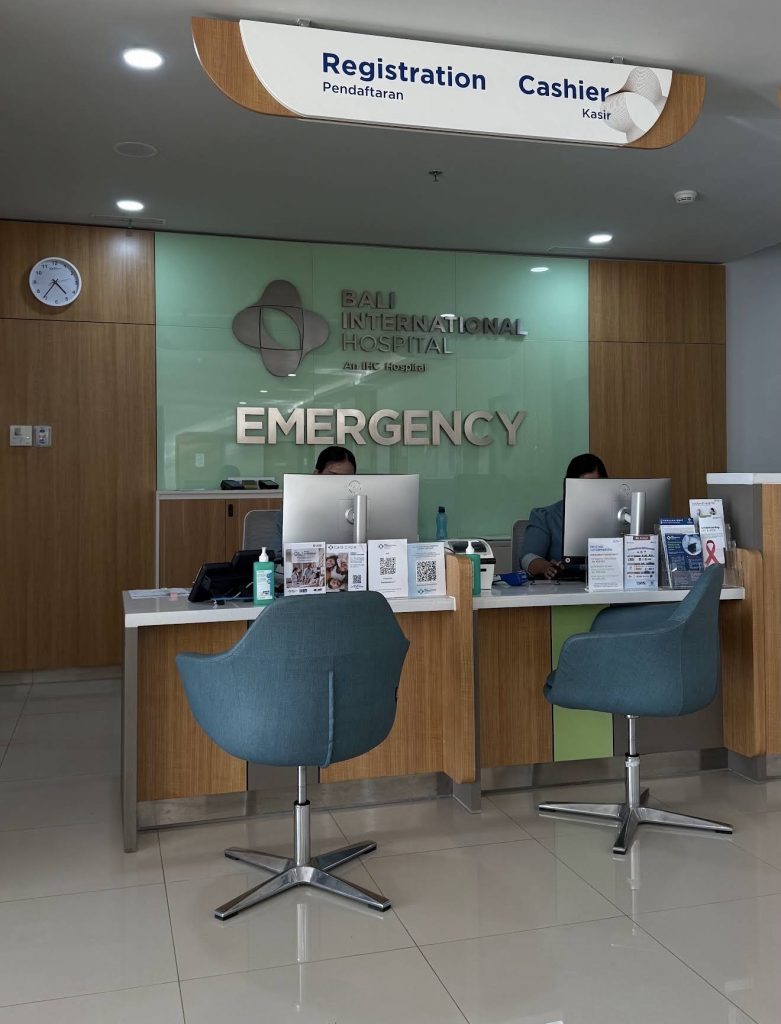
For long-term residents, comprehensive international health insurance (Cigna, Allianz, or similar) runs roughly $100–$250/month depending on coverage and age. For a shorter stay, a travel medical policy is the more practical baseline — I use Genki, currently around $78/month, which covers me across Southeast Asia without a fixed home-country requirement.
Public vs. Private Healthcare
- Public hospitals: Very affordable, but facilities can be limited, wait times long, and language barriers real. Sanglah General Hospital in Denpasar is the main option for serious emergencies.
- Private clinics: Wider services, shorter waits, English-speaking staff in most tourist areas. Meaningfully more expensive than public care, but still cheap relative to Western prices.
What Things Cost
| Medical Service | Approximate Cost |
|---|---|
| GP / general consultation | $22–$50 |
| Specialist consultation | $55–$110 |
| Blood test panel | $40–$120 |
| Dental cleaning | $33–$66 |
| Emergency room visit | $83–$195 |
International Health Insurance
I use Genki for long-term travel medical coverage—currently around $80/month per person. It doesn’t require a fixed home country and covers me throughout Indonesia and the rest of Southeast Asia. It’s not a replacement for a dedicated Indonesian or international health insurance plan if you’re settling in Bali long-term (12+ months or on a long-stay visa), but it’s an excellent, affordable option for a 60–90 day stay.
If you’re planning to live in Bali for a year or longer, upgrading to a dedicated international health insurance plan such as Cigna Global, Allianz Care, or AXA can provide higher coverage limits, direct billing, and access to leading private hospitals like BIMC Hospital, Siloam Hospitals Bali, and Kasih Ibu Hospital with fewer out-of-pocket expenses. See my full comparison on the travel insurance page.
💡 Stay healthy basics: drink bottled or filtered water, be cautious with street food hygiene, wear sunscreen, and use mosquito repellent at dusk/dawn — dengue is present in parts of Bali. None of this should stop you from enjoying street food; it’s more about being sensible with where and how often.
Entertainment and Leisure Costs

I keep entertainment modest at around $100/month—covering a few nights out, the occasional beach club, and weekend activities. Bali offers plenty of affordable and free things to do, from beaches, waterfalls, and rice terraces to temples and scenic hikes. If you regularly visit upscale beach clubs, surf every day, or enjoy Seminyak and Canggu’s nightlife, your entertainment budget can climb quickly.
| Activity / Lifestyle Item | Cost |
|---|---|
| Temple / cultural site entry | $1.65–$4.15 |
| Local massage (1 hour) | $3.35–$8.35 |
| Premium gym membership | $65–$140 |
| Coworking space (day pass) | $10.00–$14.00 |
| Coworking space (monthly) | $120–$195 |
| Night out — bars and clubs | $22–$66+ |
| Weekend escape (Gili Islands / Lombok) | $120–$280 |
Bali entertainment and activity costs 2026
Hotels in Bali: Luxury for Less with Points
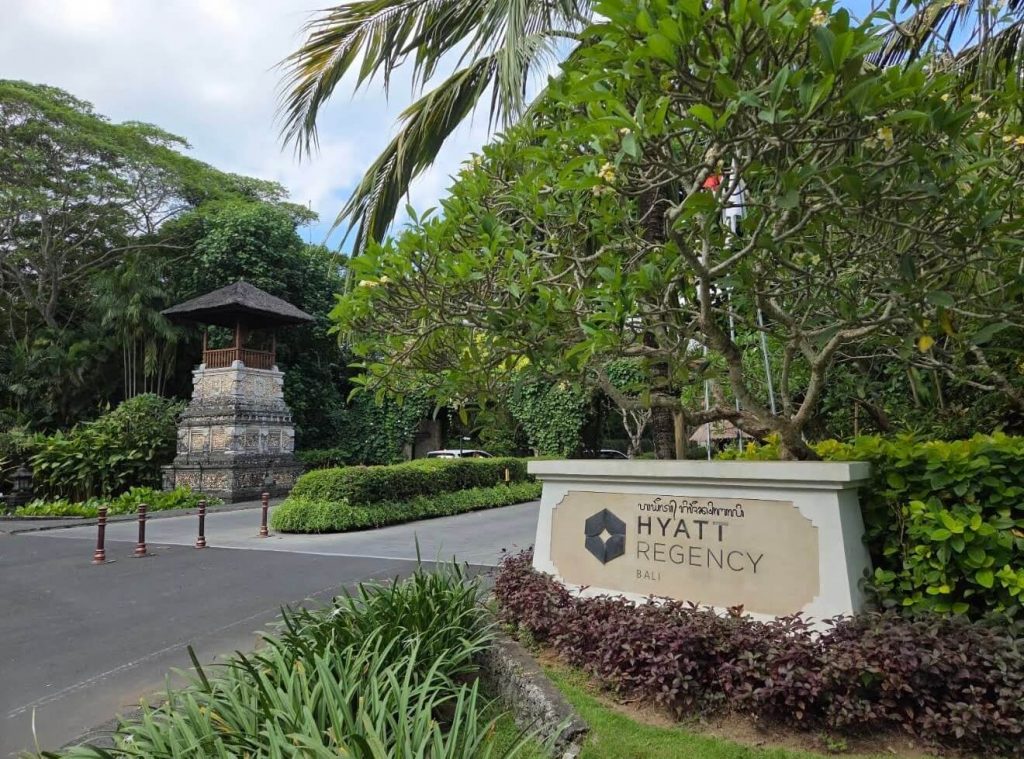
While hotels are our absolute preference for premium perks and elite lounge rewards, mixing them in smartly is one of the best ways to experience Bali without blowing your budget. I’ve consistently found excellent cash rates and award availability at Marriott properties throughout Bali, making it one of my favorite places to redeem hotel points. If you maximize programs like Marriott Bonvoy, World of Hyatt, and IHG One Rewards, a weekend getaway can turn into complimentary breakfasts, executive lounge access, suite upgrades, and late checkout for little more than the cost of a standard room.
The key to making this strategy sustainable is earning points from your everyday spending instead of paying cash for luxury stays. By using the right travel credit cards, you can stack generous welcome bonuses and maximize bonus categories on groceries, dining, and airfare. Those points can easily fund multiple nights at resorts across Nusa Dua, Seminyak, Ubud, or even a beachfront escape in Jimbaran. Head over to my Hotel Rewards Guide to see how I rank the best loyalty programs for Southeast Asia, and check out the Travel Credit Cards page to see the cards I’m using in 2026 to earn points faster and enjoy elite perks before I even check in.
Bali Visa Options
Indonesia’s visa system for Bali has genuinely improved in 2026 with the arrival of an official long-term remote-worker visa. Always confirm current rules directly through Indonesia’s Directorate General of Immigration before planning around any of these.
Short Stays
- Visa on Arrival (VOA): $35 (IDR 500,000), valid 30 days, extendable once for another 30 days at a local immigration office (60 days total). What I used on this trip.
- C1 Visit Visa (formerly B211A): Roughly $150 through an agent, 60 days on arrival, extendable up to two more times (60 days each) for a maximum stay of 180 days. Requires a local sponsor — most travelers use a visa agent for this. Requires proof of at least $2,000 in funds.
Remote Workers
- E33G Remote Worker KITAS: Indonesia’s official digital nomad visa, launched in 2026. Around $600, requires an existing contract with an overseas employer/client and proof of income (roughly $60,000/year threshold commonly cited). You can sponsor a spouse and children, but can’t take on Indonesian clients, and stays of 183+ days bring your global income into scope of Indonesian tax residency.
Long-Term / KITAS
- Retirement KITAS: Must be 55+, hold valid health insurance, and provide proof of a rental lease in Bali. Typically valid two years, renewable.
- Marriage KITAS: Requires marriage to an Indonesian citizen or a permanent resident (ITAP/KITAP) holder.
- Investor / Work KITAS: Typically issued for 12 months, renewable, usually tied to a PT PMA (foreign-owned company) or an existing business presence.
| Visa Type | Cost | Duration | Best For |
|---|---|---|---|
| VOA | $35 | 30 days, extendable to 60 | Short trips |
| C1 (was B211A) | ~$150 | Up to 180 days | Longer tourist/social stays |
| E33G Remote Worker | ~$600 | Multi-year | Remote employees/contractors with income threshold |
| Retirement KITAS | Varies by agent | 2 years, renewable | Retirees 55+ |
Bali visa options 2026 — always verify current requirements directly with Indonesian immigration before booking.
Tax Residency Warning
⚠️ Spend 183 or more days in Indonesia in a 12-month period and you generally become an Indonesian tax resident on your global income — this applies on the E33G visa too if you cross that threshold. Indonesia’s tax office has also moved to a “substance-over-form” approach for assessing residency under regulation PER-23/PJ/2025, meaning informal or repeated long stays can trigger residency even without a formal long-term visa. Speak with a tax professional before committing to 183+ days in a calendar year.
How Much Money Do You Need to Live Comfortably in Bali?
| Lifestyle | What It Gets You | Monthly Budget |
|---|---|---|
| Budget Nomad | Guesthouse room (kos) or shared villa, local warung meals, basic scooter, minimal going out | $1,000–$1,400 |
| My Reality (couple) | $800 accommodation budget, daily cafe + Western dining mix, Grab transport, Genki insurance, gym membership | $1,911 |
| Comfortable Expat | Nice 1-2 bed private villa in Pererenan or Sanur, comprehensive insurance, daily restaurant dining, social budget | $1,800–$2,500 |
| Comfortable Couple | Spacious 2-bedroom pool villa, frequent nights out, part-time housekeeper, domestic weekend travel budget | $2,800–$3,800 |
| Luxury Lifestyle | Designer cliffside or beachfront villa, high-end beach clubs, fine dining, monthly car rental with private driver | $4,500–$6,500+ |
Bali monthly budget by lifestyle — 2026, single person unless noted
$1,800/month is a realistic floor for a genuinely comfortable single life in Bali today — the “under $1,000” version is real but means a fan room and warung food every meal, no real buffer. If you’re building toward the villa-and-social-life version of Bali, plan for $2,500–$3,000/month and don’t be surprised if nightlife and beach clubs push it higher.
Pros and Cons
🟢 Pros
- Genuinely one of the best digital nomad communities and infrastructures in the world
- Fast internet (50–100 Mbps) available in most nomad-heavy areas
- An actual long-term remote-worker visa (E33G) now fully accessible as of 2026
- Incredible variety of scenery — beaches, jungle, volcanoes, rice terraces — all on one island
- Still 40–70% cheaper than most Western cities depending on your chosen lifestyle
- Large, active expat and nomad community making it exceptionally easy to meet people
🔴 Cons
- Rent in Canggu and Uluwatu has risen sharply — no longer the “cheap Bali” of a decade ago
- Canggu traffic, especially between 4–7 PM, is a genuine and frustrating daily friction point
- No public transportation network — you are entirely reliant on Grab/Gojek or a motorbike
- Foreigners cannot own land directly; property purchases require careful legal structuring
- The 183-day tax residency rule is strictly enforced with a substance-over-form approach
- Serious medical emergencies often still require flying out to Singapore or Bangkok
- Extremely easy to slip into holiday-level spending on drinks and beach clubs without realizing it
Is Bali Worth It in 2026?

Even though Bali isn’t as inexpensive as it once was, we still enjoy spending a month here every year. The combination of good food, friendly locals, beautiful beaches, and a relaxed atmosphere keeps us coming back. Whether you’re visiting for a month or considering a longer stay, it still offers a great lifestyle for the money—as long as you budget realistically.
Could you spend less? Absolutely. Skipping Canggu and Seminyak for Ubud or Sanur, cooking more, riding a motorbike instead of Grab everywhere, and signing a 6–12 month lease instead of hotel-hopping could meaningfully lower the numbers above. Our own $1,911/month reflects an inefficient, no-commitment hotel stay — not the cheapest way to live in Bali, and not the most typical either.
If you’re planning an extended stay or considering a move, be sure to read my Bali Travel Guide, where I cover the best areas to stay, top attractions, transportation tips, digital nomad hotspots, and practical advice to help you settle in and make the most of your time on the island.
How much does it cost to live in Bali in 2026?
A couple hotel-hopping with no lease spends around $2,000/month excluding flights. For a more typical villa-based couple lifestyle, budget $2,500-3,500/month. Solo travelers and digital nomads can live comfortably on $1,200-2,500/month, and budget-conscious nomads can get by on as little as $1,000-1,500/month with a shared room and warung food. Families with two children in international school should budget $4,000-6,500/month.
What is the cost of living in Bali compared to other places?
Bali remains roughly 40-70% cheaper than major Western cities for a comparable lifestyle, though it is no longer the ultra-budget destination it was a decade ago. Canggu and Uluwatu rents have risen 10-25% annually since 2021. Compared to Bangkok or Kuala Lumpur, Bali sits in a similar cost range for accommodation, though it lacks any public transportation, unlike either of those cities.
What visa do I need to live in Bali long-term?
For stays up to 60 days, use the Visa on Arrival ($35). For up to 180 days, the C1 Visit Visa (formerly B211A, roughly $150 through an agent) is the standard option. For a genuine long-term remote work setup, Indonesia’s new E33G Remote Worker KITAS (around $600, launched 2026) requires proof of an overseas income source, commonly cited around a $60,000/year threshold. Retirees 55+ can apply for a renewable 2-year Retirement KITAS with proof of health insurance and a Bali rental lease.
Where is the best area to live in Bali?
Canggu has the largest digital nomad community and the most coworking spaces, Western restaurants, and gyms, but the highest and fastest-rising rents plus real traffic. Ubud offers more focus and lower costs with a jungle, art-and-yoga atmosphere. Sanur is the calmest and most family-friendly, with lower rents than Canggu or Seminyak. Uluwatu and Bingin suit surfers and those wanting a slower, clifftop pace.
How much does healthcare cost in Bali?
Private clinics in tourist areas offer English-speaking staff and short wait times at prices well below Western rates, while public hospitals like Sanglah General in Denpasar are very affordable but can have long waits. Comprehensive international health insurance for long-term residents runs $100-250/month depending on coverage. A travel medical policy for a shorter stay, like Genki, runs roughly $78/month. Serious procedures are generally better handled in Singapore or Bangkok.
Do I become a tax resident if I live in Bali?
Yes — spend 183 or more days in Indonesia within a 12-month period and you generally become a tax resident on your global income, a rule that applies on the E33G remote worker visa as well. Indonesia’s tax office now applies a substance-over-form approach (regulation PER-23/PJ/2025), meaning informal long stays can also trigger residency. Speak with a tax professional before planning a stay of 183+ days.