
Selling everything and moving to Asia was one of the best decisions I’ve ever made—but there were plenty of things I only learned after arriving. Some made life easier, while others cost me time, money, and unnecessary stress. If you’re planning to move to Southeast Asia, this guide shares the lessons I wish I knew before living here, from finding housing and managing your finances to choosing the right travel credit cards and avoiding common mistakes. My goal is to help you settle in faster, spend less, and enjoy your new life abroad with confidence.
What I Wish I Knew Before Moving to Asia
In late 2022, I sold nearly everything I owned and moved to Asia. Since then, I’ve slow traveled throughout the region, spending extended time in places like Bangkok while learning firsthand what works—and what I wish I had known before making the move. This isn’t another generic moving abroad checklist. It’s a collection of practical lessons that would have saved me time, money, and a few costly mistakes. If you’re planning to move to Asia, here’s what I wish someone had told me before I boarded that first flight.
1. Research Your Visa Strategy Before You Move

Before you move to Asia, decide where you want to live, how long you plan to stay, and whether you’ll be based in one country or slow traveling throughout the region. Your visa strategy will influence almost every other decision you make—from where you rent an apartment to how often you’ll need to cross a border.
Every country has different visa options, whether it’s a tourist visa, retirement visa, work permit, or digital nomad visa. Some countries make long-term stays relatively straightforward, while others require regular visa renewals or border runs. Research the requirements before you leave so you know what documents you’ll need and can avoid unnecessary surprises.
Don’t overlook tax residency. Spending 180+ days in a country may make you a tax resident, even if you’re earning income elsewhere. Understanding the residency rules before you move can help you avoid unexpected tax obligations and make more informed decisions about where to base yourself long term.
2. Build a New Life, Your Not On Vacation

One of the biggest mistakes new expats make is treating life in Asia like an extended vacation. It’s tempting to eat out for every meal, go bar hopping every night, book weekend trips, and constantly chase the next destination. While there’s nothing wrong with enjoying yourself, that lifestyle can quickly drain your budget and lead to burnout.
Instead, think of your first few months as a trial period. Test different neighborhoods, explore local cafés, find a gym, and create a monthly budget that you can realistically maintain. The goal isn’t to live like you’re on holiday forever—it’s to build a lifestyle you’ll still enjoy six months or even several years from now.
Once you settle into a routine, everything becomes easier. You’ll spend more intentionally, make better financial decisions, and begin to feel like you actually live there rather than just passing through. That’s when Asia truly starts to feel like home.
3. Set Up a Virtual Mailbox Before You Leave

If I could do one thing differently before moving to Asia, it would be setting up a virtual mailbox while I was still living in the United States. I’m actually in the process of transitioning from using my parents’ address to a virtual mailbox now, and it’s something that’s much easier to establish before you leave than after you’re already overseas.
Once your mailbox is set up, start updating your mailing address with your banks, credit card companies, investment accounts, insurance providers, and any other important financial institutions. Having everything sent to one permanent mailing address makes managing your finances from abroad much simpler.
One thing I’m still researching is which organizations will accept a virtual mailbox as your mailing address. For example, some states may have different rules for driver’s licenses or vehicle registrations, while certain financial institutions may have their own address requirements. If possible, make these changes while you’re still living in the U.S., since you can more easily verify your identity or provide supporting documents if requested.
Getting this organized before you move can save you a lot of hassle later and gives you one central place to receive, scan, forward, or securely store your important mail while living abroad.
4. Build Your Financial System Before Leaving

Moving to Asia is much easier when your finances are organized before you leave. Set up your banking, payment methods, and communication while you’re still in the U.S. It’s far easier to troubleshoot problems at home than from the other side of the world.
Start by adding your credit and debit cards to Apple Pay before you leave, as some banks don’t allow you to activate digital wallets from overseas. While you’re at it, set up Google Voice to keep a U.S. phone number for two-factor authentication, banking, and other important accounts.
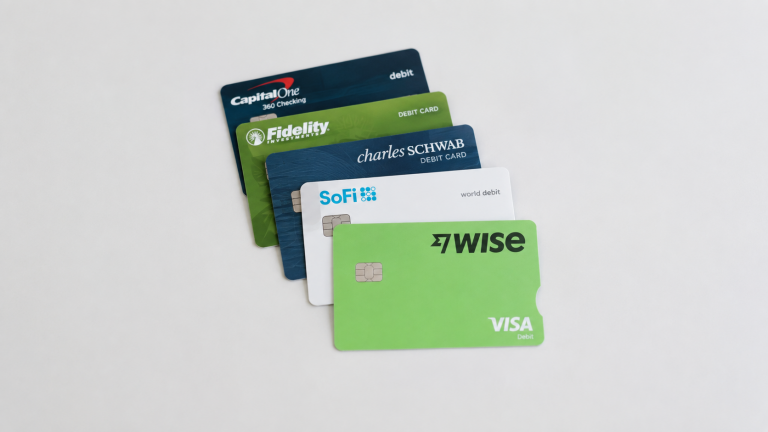
Finally, choose the right banking tools. A debit card that reimburses international ATM fees can save you hundreds of dollars over time, since ATM withdrawal fees add up quickly when you’re living abroad. I also recommend opening a Wise account for international money transfers, thanks to its low fees and competitive exchange rates. Keep a backup debit card stored separately in case your primary card is lost, stolen, or locked for fraud.
5. Buy International Health Insurance

One mistake I see people make is waiting until they have a medical issue before thinking about health insurance. By then, it’s too late. Before moving to Asia, take the time to compare international health insurance plans and choose one that fits your budget, travel style, and the countries you’ll be living in.
Many countries in Asia have excellent private hospitals with high-quality care, often at a fraction of U.S. prices. However, a serious illness, accident, or emergency surgery can still become expensive without the right coverage. Having international health insurance provides peace of mind, knowing you can focus on your recovery instead of worrying about the bill.
Don’t assume your domestic health insurance or travel credit card will provide adequate medical coverage while living abroad. Review what’s included, understand any exclusions, and make sure your policy covers the destinations where you’ll be spending the most time. It’s one of those purchases you hope you’ll never need—but you’ll be glad you have it if something unexpected happens.
If you’re not sure where to start, I’ve also put together a guide comparing the international health insurance plans I recommend for expats and long-term travelers.
6. Asia Is Still Affordable—But Budget for Future

One of the biggest surprises for many first-time expats is that the prices you see on older YouTube videos and blog posts are no longer accurate. Inflation has pushed up the cost of rent, restaurants, coffee, transportation, and everyday living across much of Asia over the past few years. While the region is still significantly more affordable than many Western countries, it’s important to budget based on today’s prices—not what someone paid last year.
My advice is to build a little flexibility into your budget. If you’re planning to live in Asia for years rather than months, expect your expenses to gradually increase over time. Rent renewals, food costs, and exchange rates can all change, so avoid stretching your finances too thin just because the cost of living is lower than back home.
The good news is that Asia still offers outstanding value. Even with higher prices, you can often enjoy a comfortable lifestyle, eat well, and travel frequently for far less than you would in the U.S., Canada, Australia, or much of Europe. Just plan for tomorrow’s prices instead of yesterday’s, and you’ll put yourself in a much stronger financial position for the long term.
7. Pack Light and Ditch the Winter Clothes

If you’re moving to Southeast Asia, you won’t be needing your winter wardrobe. Keep one lightweight sweater or jacket for airplanes and overnight buses, then ditch the rest. It takes up valuable luggage space that can be put to much better use.
Instead, invest in lightweight, breathable clothing before you leave. Southeast Asia is hot and humid for much of the year, so quick-drying shirts, shorts, and comfortable walking shoes will get far more use than heavy jeans, coats, or bulky sweaters.
It’s also worth upgrading your travel gear while you’re still at home. Most airlines within Asia enforce a 7 kg (15 lb) carry-on limit, so every ounce counts. Lightweight luggage, compact electronics, and travel-friendly accessories make moving between countries much easier and help you avoid overweight baggage fees. Pack for the climate—and for the airlines you’ll actually be flying.
8. Choose Your Hotel Strategy Before You Arrive

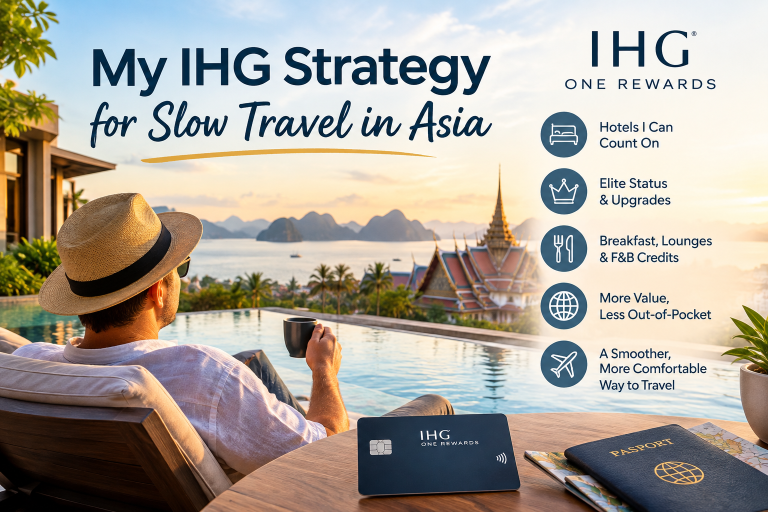
One thing I wish I had understood before moving to Asia was the value of hotel loyalty programs and travel credit cards. Over the past five years, I’ve stayed at hundreds of hotels throughout Asia. Looking back, I could have earned countless free nights, room upgrades, late checkouts, and other elite benefits simply by being more intentional about where I booked.
Instead of booking whatever hotel is cheapest each trip, pick one or two hotel brands and stay loyal to them. Concentrating your stays helps you earn points faster and unlock valuable perks that make long-term travel more comfortable. If you travel frequently, those rewards can add up surprisingly quickly.
For my travel style, I’ve found that IHG offers one of the best hotel footprints across Asia, with a wide range of properties at reasonable price points. Whether you’re paying cash or redeeming points, having a hotel strategy before you move can save money while making your travels more rewarding. If you’re interested in the cards and programs I currently use, check out my complete guide to my travel credit card setup and hotel rewards strategy.
9. Set Up the Right Travel Credit Cards

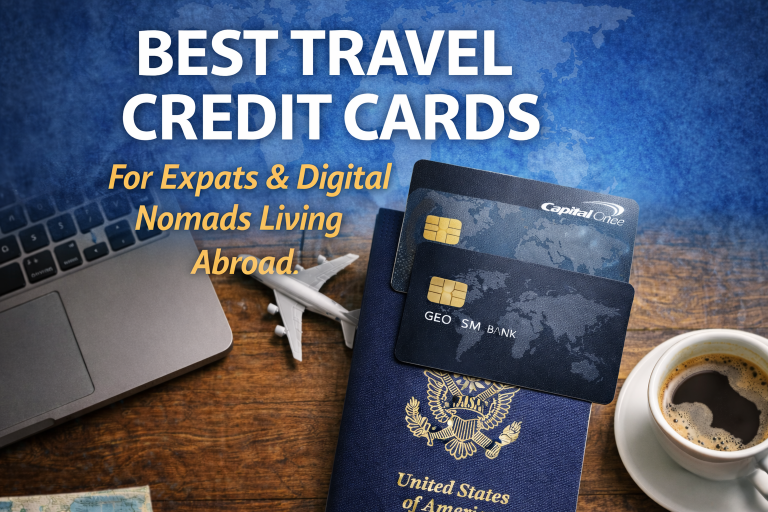
One thing I wish I had discovered sooner was the world of travel credit cards. For years, we’d buy overpriced food and bottled water before every flight because we didn’t realize airport lounge access was included with many premium travel cards. Looking back, we missed out on countless free meals, drinks, comfortable places to relax, and even showers during long layovers.
Beyond lounge access, the right travel credit cards can save you money while rewarding the way you actually travel. Look for cards with no foreign transaction fees, flexible travel rewards, and benefits that work internationally. If you’re planning to move around Asia, those perks quickly add up through free hotel nights, airline miles, travel protections, and statement credits.
Today, airport lounges are simply part of how I travel. Instead of paying airport prices every time I fly, I can grab a meal, refill my water bottle, charge my devices, and relax before boarding. It’s a small luxury that makes frequent travel much more enjoyable, especially when you’re flying throughout Asia.
If you’re just getting started, I recommend reading my guide to the best credit cards for airport lounge access. And if you want to see how my strategy has evolved with hotel credit cards and loyalty programs, check out my complete travel credit card setup.
10. Stay in an Airbnb or Hotel Before Signing a Long-Term Lease


One mistake many people make is signing a long-term lease before they really know the city. Instead, book an Airbnb or hotel for your first few weeks and use that time to explore different neighborhoods. Visit them during the day and at night, check out the local restaurants and grocery stores, and get a feel for what daily life is actually like before committing to a lease.
Location matters more than you might think. I recommend staying within a 5–10 minute walk of public transportation whenever possible, whether that’s a train system like the BTS or MRT in Bangkok, the Metro in Hanoi, or songthaews in cities like Chiang Mai. Being close to public transit makes getting around easier, reduces transportation costs, and gives you far more flexibility if you don’t plan on owning a vehicle.
Taking a few extra weeks to learn the city can save you months of frustration later. It’s much easier to move between short-term accommodations than to break a lease in a neighborhood that turns out not to be the right fit.
Conclusion
Moving to Asia has been one of the best decisions I’ve ever made, but there are plenty of things I wish I had known before boarding that first flight. A little preparation can save you time, money, and unnecessary stress, allowing you to focus on what really matters—building a life you enjoy.
Whether it’s researching your visa strategy, setting up your finances, choosing the right travel credit cards, or finding a neighborhood that feels like home, these small decisions can make a huge difference in your long-term experience abroad.
If you’re still planning your move, be sure to check out my Moving Abroad Checklist, Best Cities to Live in Southeast Asia, Best Two-Card Travel Rewards Setup, and International Health Insurance Guide for more in-depth advice. And if you have a question or a tip from your own experience, leave a comment below—I’d love to hear from you.
Is moving to Asia a good idea?
For many people, yes. Asia offers a lower cost of living, excellent food, modern cities, reliable public transportation, and the opportunity to experience different cultures. Before moving, research visa requirements, healthcare, and the cost of living in your chosen destination to make sure it fits your lifestyle and budget.
How much money should I save before moving to Asia?
The amount depends on your destination and lifestyle, but having enough savings to cover at least three to six months of living expenses provides a comfortable financial cushion. This gives you time to settle in, find long-term accommodation, and handle unexpected expenses without unnecessary stress.
What is the biggest mistake people make when moving to Asia?
One of the biggest mistakes is treating life abroad like an extended vacation. Constantly eating out, traveling every weekend, and spending like you’re on holiday can quickly drain your budget. Building a sustainable routine is essential for long-term success.
Do I need international health insurance?
If you’re planning to live abroad for more than a short trip, international health insurance is highly recommended. It protects you against unexpected medical expenses and provides peace of mind while living overseas.
What should I pack when moving to Southeast Asia?
Pack light. Bring lightweight, breathable clothing, comfortable walking shoes, essential electronics, and important documents. You can buy most everyday items after you arrive, so there’s little reason to overpack. Most regional airlines also enforce a 7 kg (15 lb) carry-on limit.