
2026 is a massive year for Malaysia, and if you’ve been planning a trip, the timing couldn’t be better. The country is currently celebrating Visit Malaysia Year 2026, which means there’s a lot of extra energy on the ground—from massive cultural festivals in the capital to a renewed focus on keeping the rainforests and beaches pristine. Whether you’re coming for the 5G-powered city life of Kuala Lumpur, the legendary food stalls in Penang, or the wilder side of Borneo, things feel fresh right now. Here is everything you need to know to see the best of Malaysia in 2026.
Malaysia Travel Guide
Why Visit Malaysia in 2026?
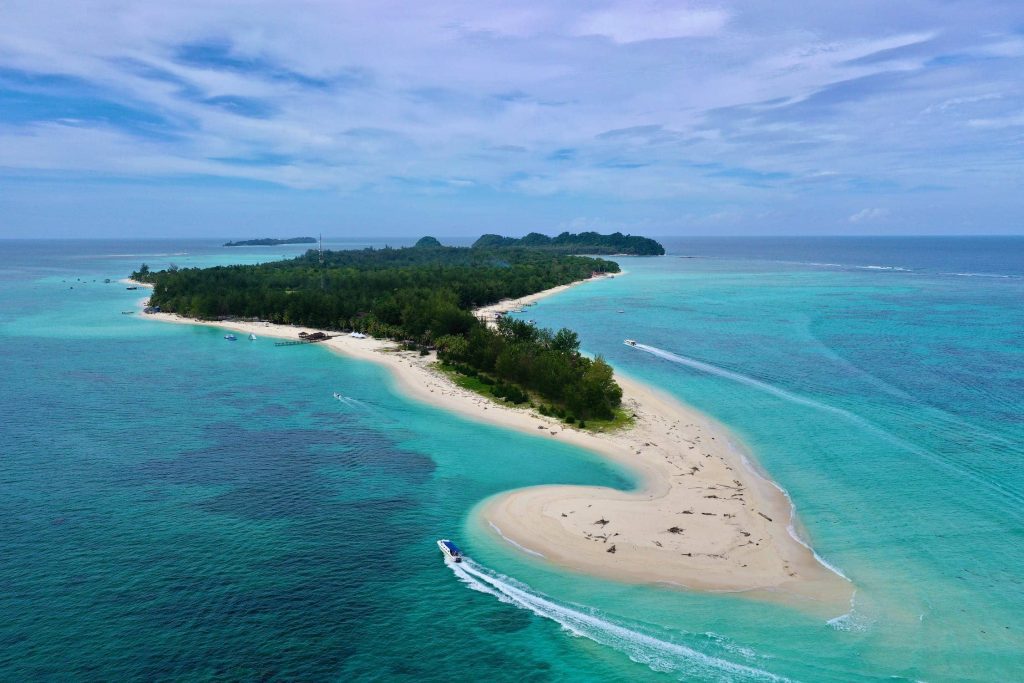
There has never been a better time to touch down in Malaysia than right now. As the country celebrates Visit Malaysia Year 2026, the energy on the ground is electric, with over 300 festivals and events showcasing what the official campaign calls “Surreal Experiences.” From the 130-million-year-old rainforests of Taman Negara to the neon-lit skyscrapers of Kuala Lumpur, Malaysia offers a rare mix of primal nature and futuristic city life that remains surprisingly affordable. It’s safe, incredibly easy to navigate in English, and currently sits as the top travel destination in Southeast Asia for a reason.
Explore Malaysia’s Beauty: Best Places to Visit
Malaysia’s landscape is a masterclass in variety. Whether you are trekking through some of the oldest rainforests on Earth, wandering through UNESCO-listed heritage towns, or catching a sunset from a futuristic rooftop bar. Here are the absolute must-visit spots to put on your itinerary.
1. Kuala Lumpur – The Electric Capital
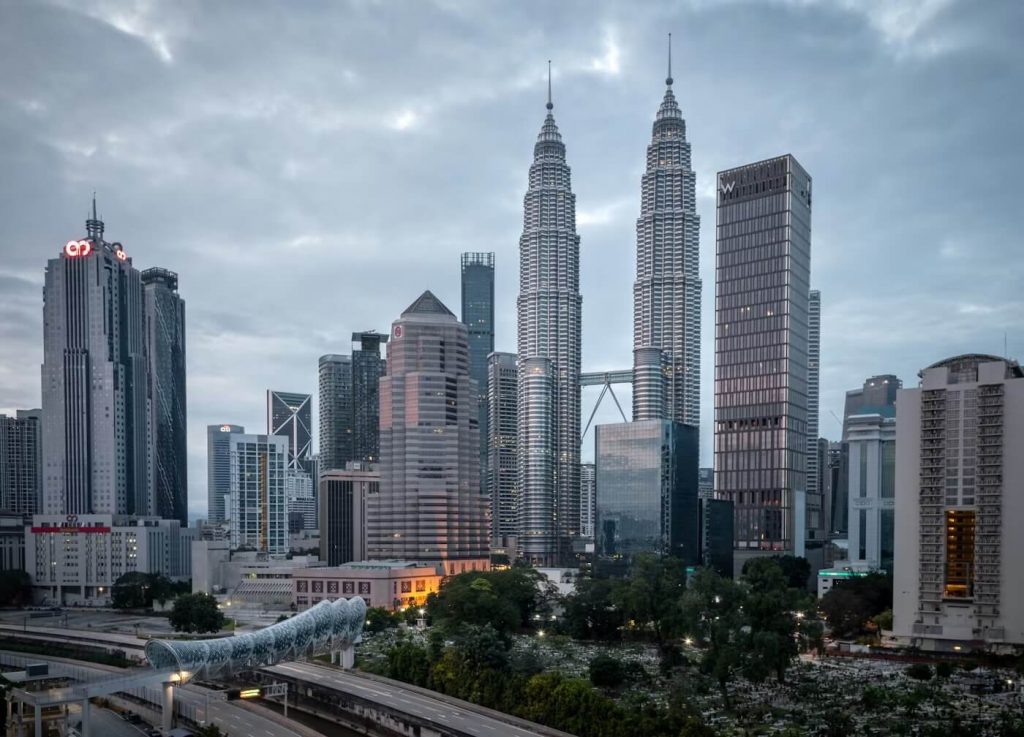
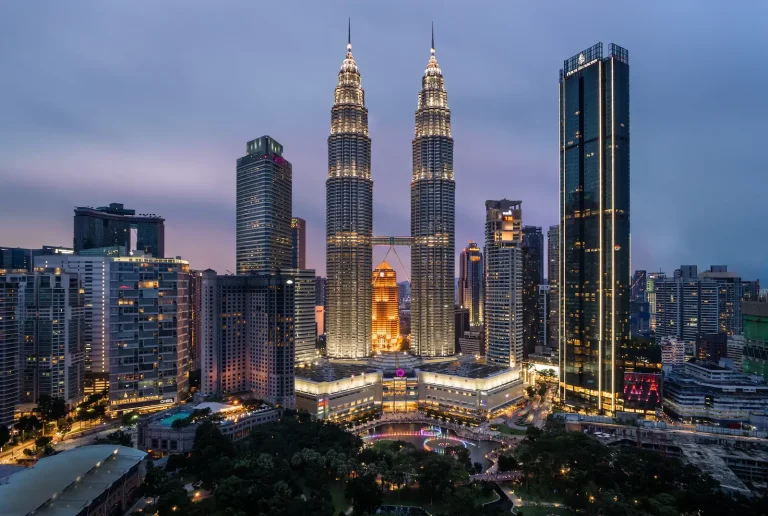
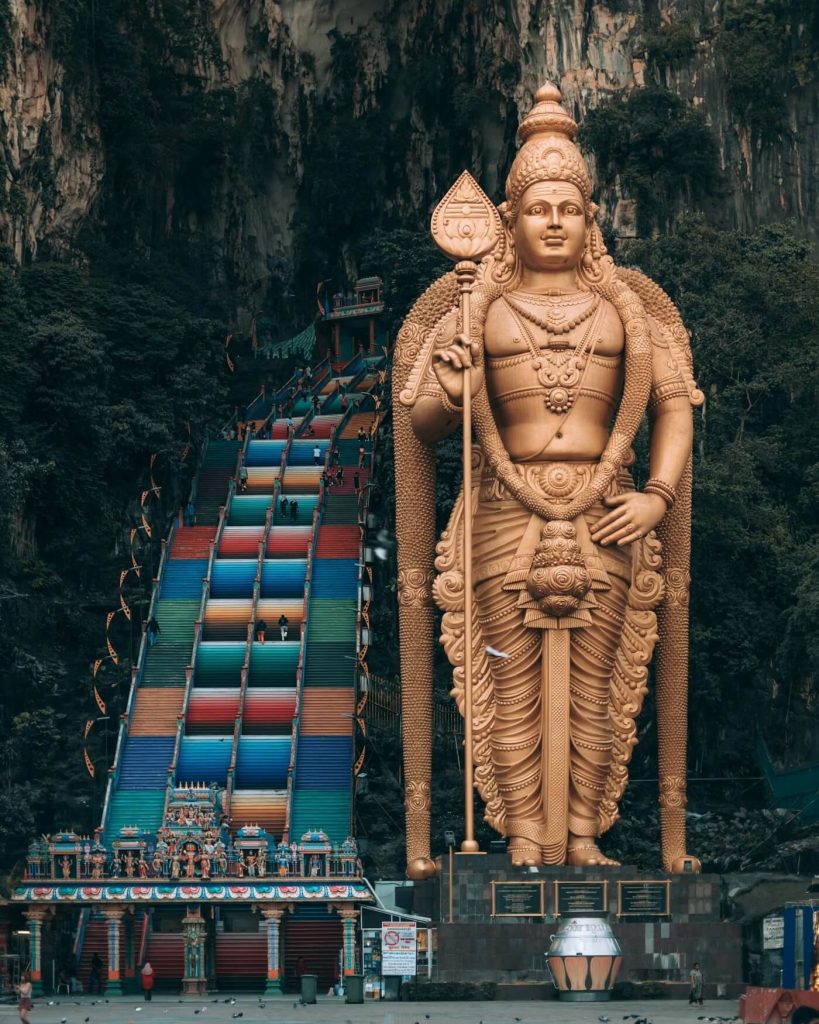
KL is where the trip usually begins, and it’s a city that never stops moving. You’ve seen the Petronas Twin Towers, but for 2026, the buzz is around Merdeka 118, the second-tallest building in the world. After snapping the classic rainbow-stair photo at Batu Caves, spend your evenings exploring the hidden “speakeasy” bars of Chinatown or the legendary street food on Jalan Alor.
👉 Kuala Lumpur Travel Guide
2. Penang – The Foodie’s Headquarters
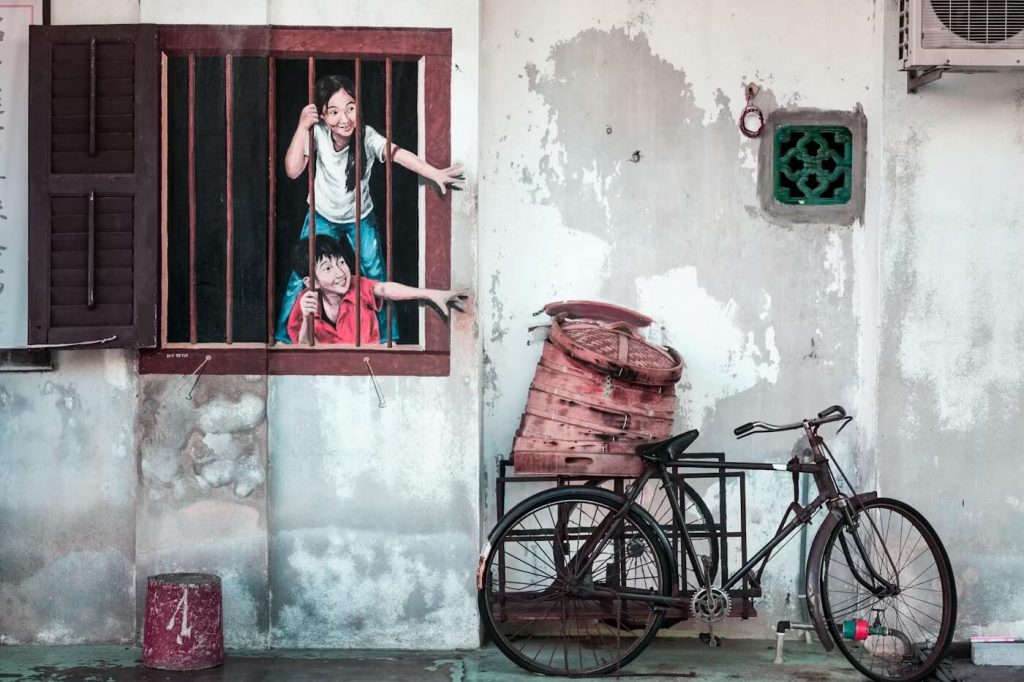
If you only have time for one stop, make it Penang. George Town is a UNESCO World Heritage site where every corner features world-famous street art or a 100-year-old clan house. It’s widely considered the food capital of Asia—don’t leave without trying the Char Kway Teow or Nasi Kandar. The new Penang Hill Cable Car is the best way to get a bird’s-eye view of the island.
👉 Penang Travel Guide
3. Langkawi – The Island of Dreams
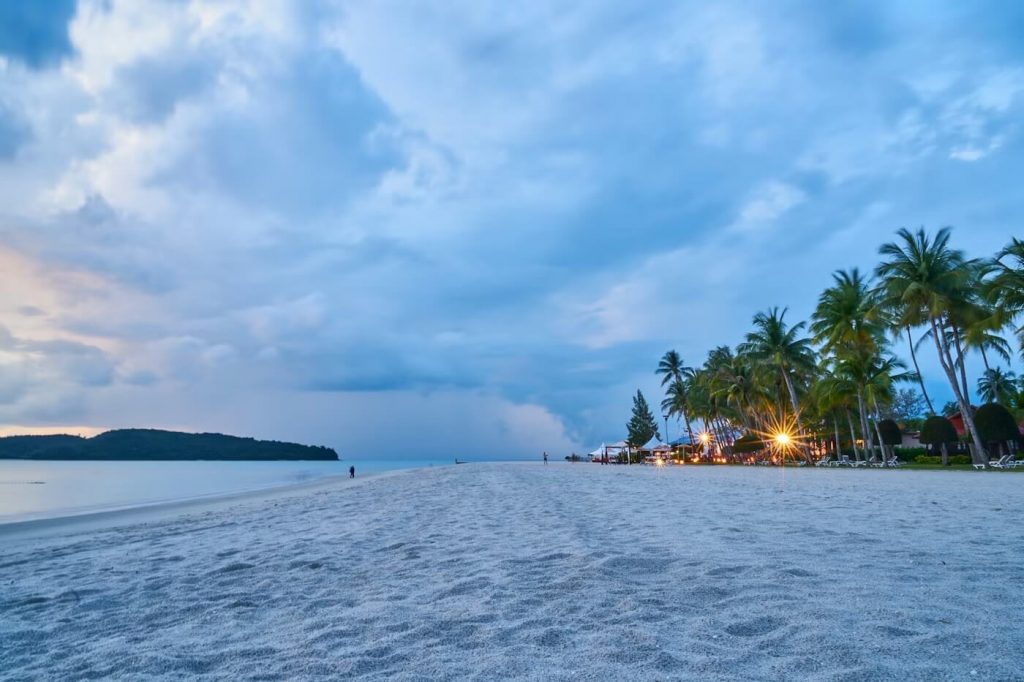
For those seeking a tropical escape, Langkawi is the “Jewel of Kedah.” This archipelago is a duty-free paradise with some of the best beaches in the region, like Pantai Cenang. For a bit of a thrill, take the Langkawi SkyCab to the Sky Bridge, which hangs 700 meters above sea level, offering views all the way to Thailand.
👉 Langkawi Travel Guide
4. Malaysian Borneo (Sabah & Sarawak) – Into the Wild
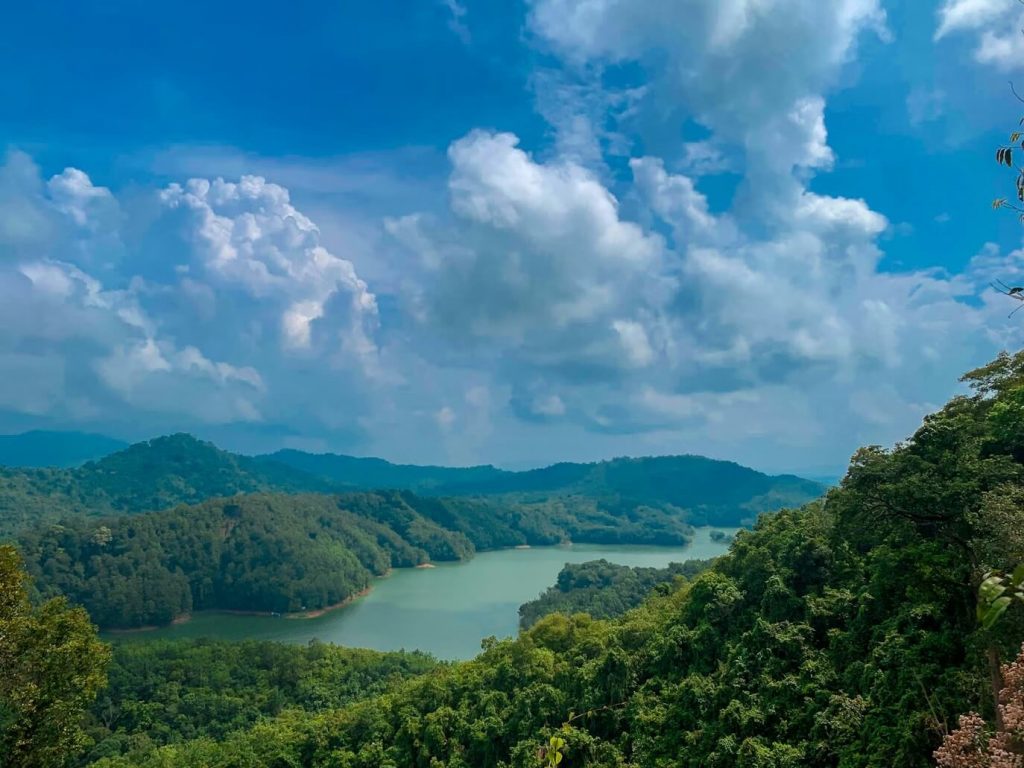
Borneo is for the adventurers. In Sabah, you can see orangutans at the Sepilok Rehabilitation Centre or meet Wira and Manja at the Bornean Sun Bear Conservation Centre. For the ultimate challenge, climb Mount Kinabalu, or head to Sarawak to explore the massive underground cathedrals of Mulu National Park.
5. Ipoh – The Hidden Secret
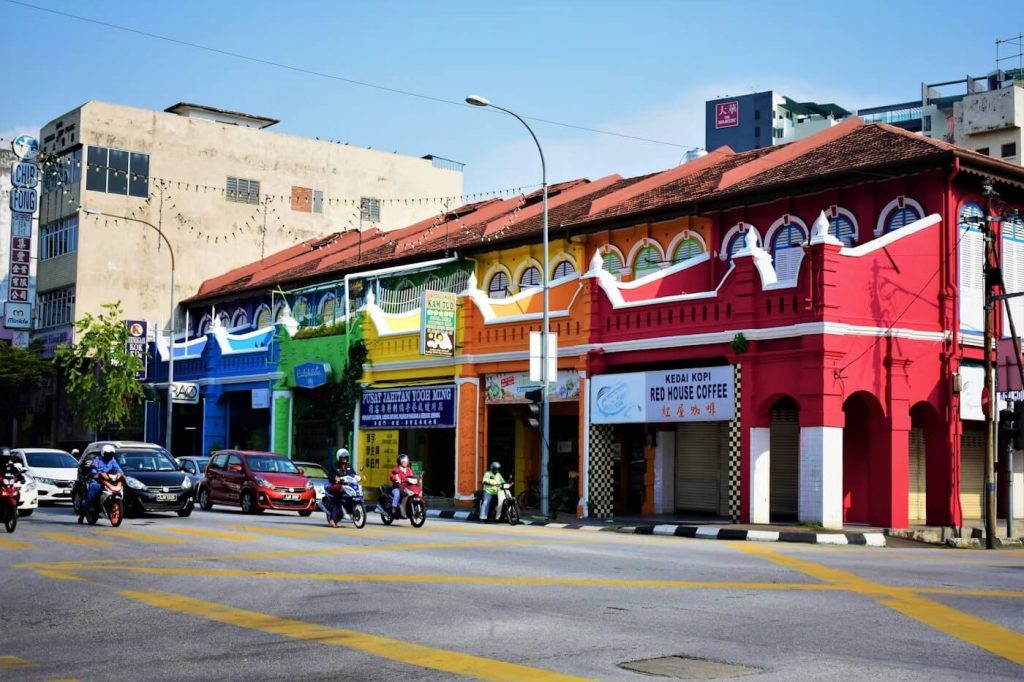
Formerly a sleepy tin-mining town, Ipoh is now one of Malaysia’s coolest destinations. Nestled between dramatic limestone cliffs, it’s famous for its “White Coffee,” incredible cave temples (like Kek Lok Tong), and a street food scene that rivals Penang’s but with a much more local, laid-back feel.
6. Cameron Highlands – The Cool Retreat
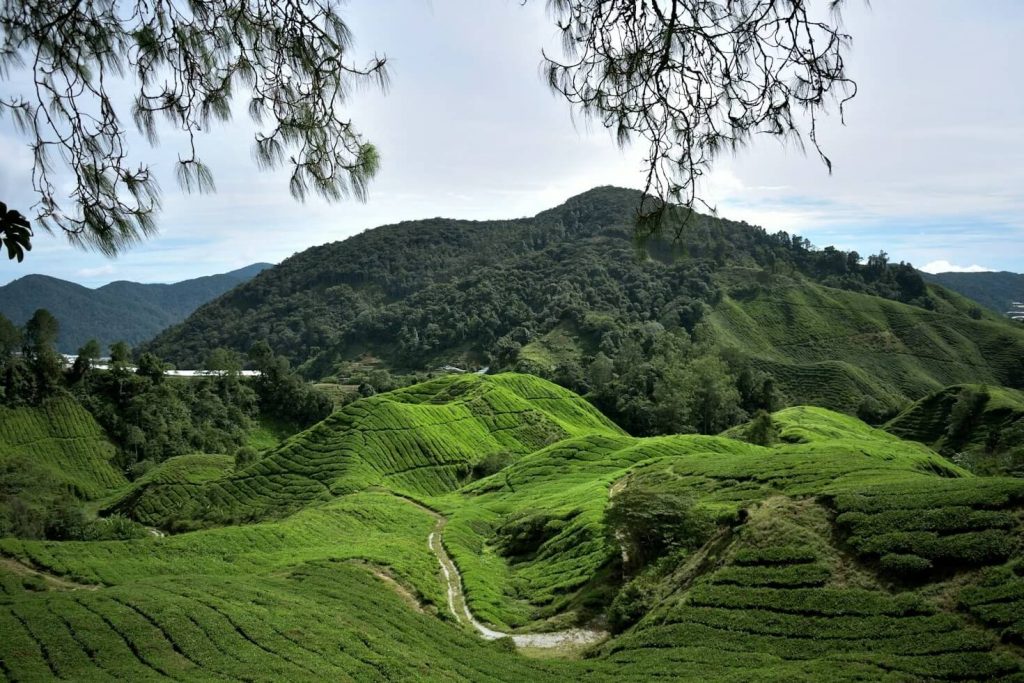
When the tropical heat gets too much, head to the mountains. The Cameron Highlands feel like a different country, with rolling green tea plantations, strawberry farms, and the eerie, beautiful Mossy Forest. It’s the best place for hiking and enjoying a “high tea” with a view.
7. Malacca – A Walk Through History
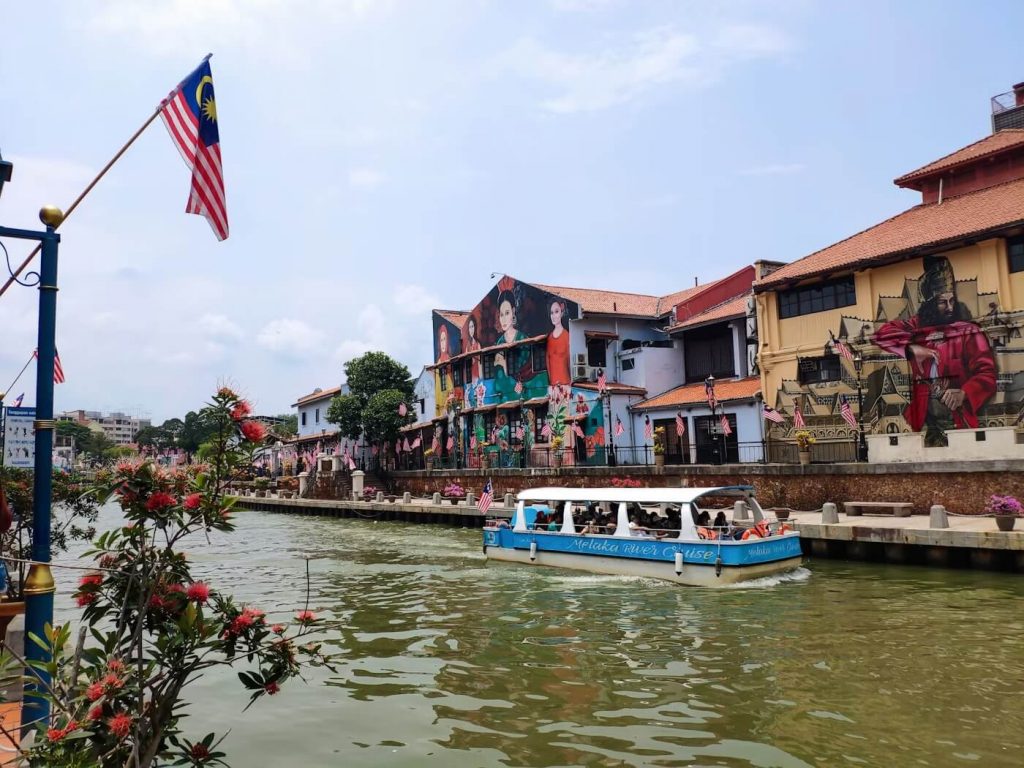
Malacca is a living museum. This UNESCO city tells the story of Malaysia’s colonial past through its red Dutch buildings and Portuguese ruins. Stroll along the Malacca River at night or brave the crowds at the Jonker Street Night Market for incredible Nyonya snacks and antique hunting.
👉 Melaka Travel Guide
8. Taman Negara – The Primal Jungle
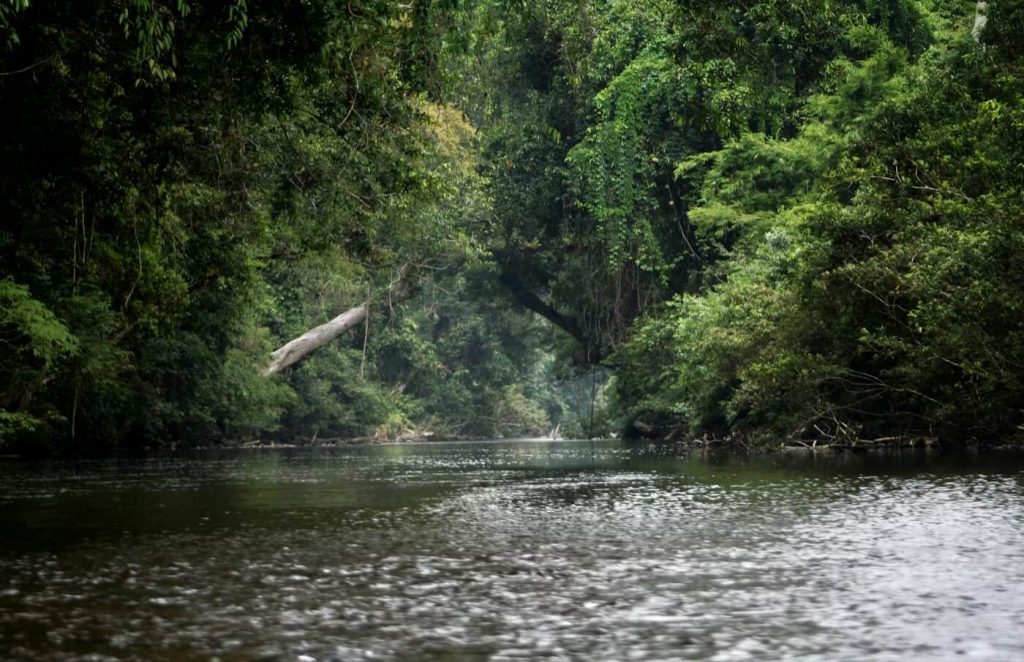
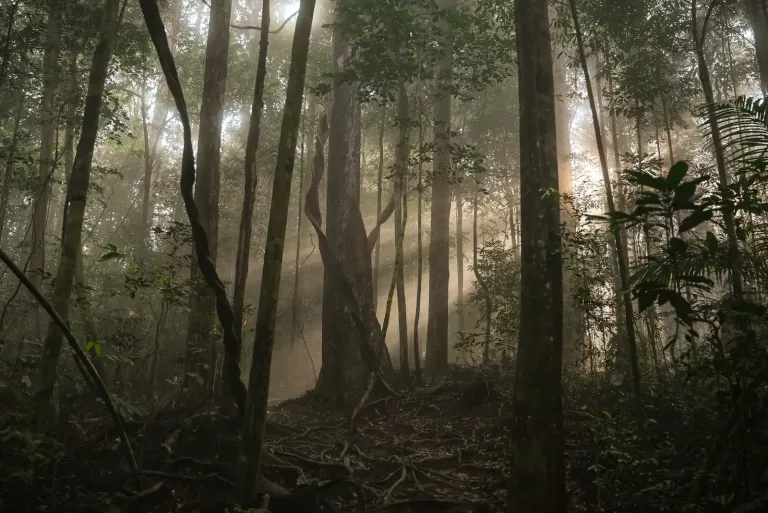
As one of the world’s oldest rainforests (130 million years old!), Taman Negara is the real deal. You won’t find 5G here—instead, you’ll find world-record-breaking canopy walkways, night jungle treks, and river safaris. It’s the best place to truly disconnect and see Malaysia’s wild side.
Klook.comBest Beaches in Malaysia: From Party Hubs to Secluded Paradises
Whether you are looking for five-star luxury or a rustic bungalow where you can walk straight into the ocean, Malaysia’s coastline is world-class. Keep in mind that the “best” beach depends entirely on which month you’re visiting!
The Best of the West Coast
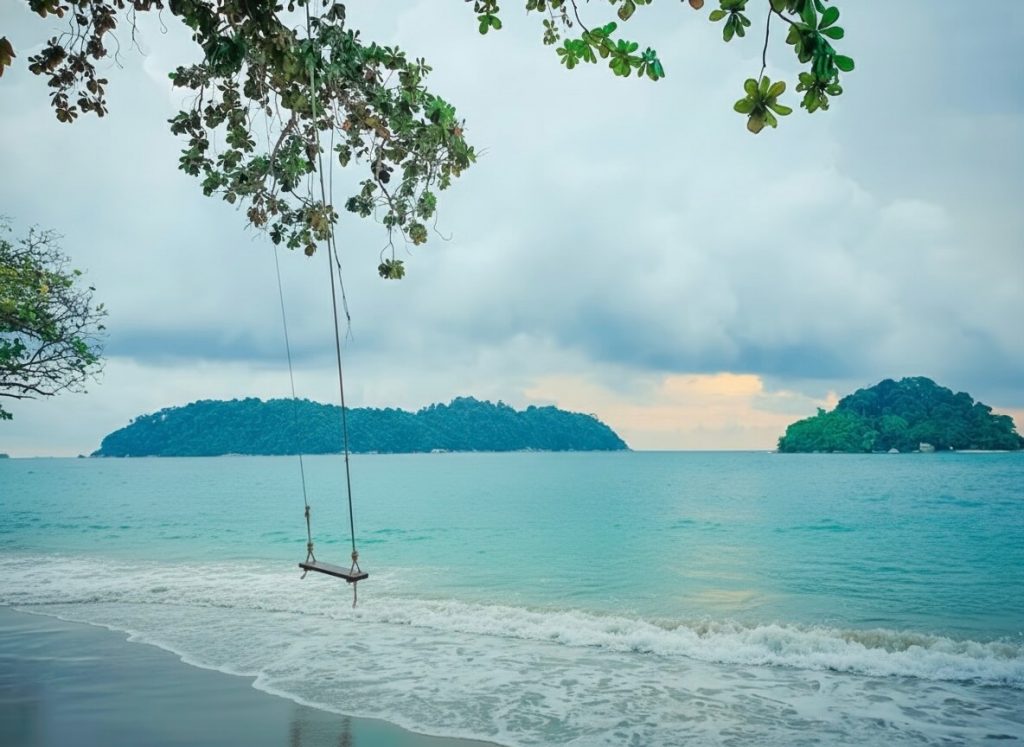
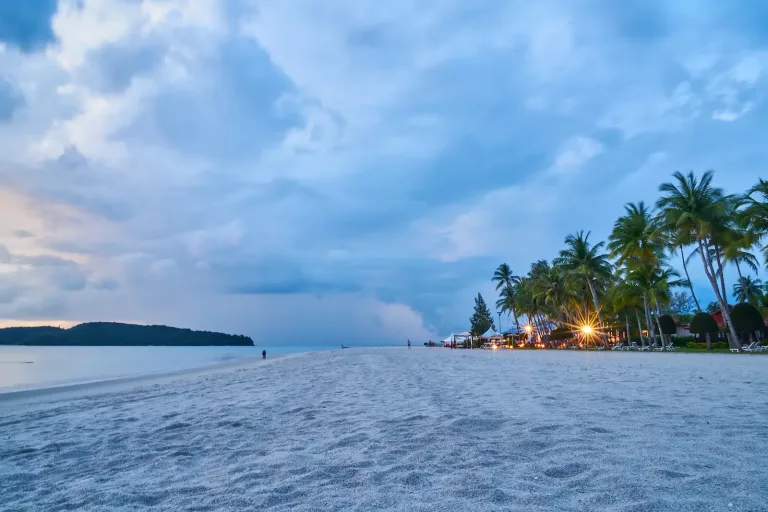
• Langkawi: The most famous beach destination in Malaysia. Pantai Cenang is the heart of the action with water sports and bars, but if you want something quieter, head to the north to Tanjung Rhu—it’s widely considered the most beautiful beach on the island.
• Penang (Batu Ferringhi): Not the clearest water in the country, but the best for convenience. It’s perfect if you want to combine a beach stay with Penang’s legendary food scene and night markets.
• Pangkor Island: A local favorite located just off the coast of Perak. It’s much quieter than Langkawi and offers a laid-back, “old Malaysia” vibe at Teluk Nipah.
The Best of the East Coast (March – October)
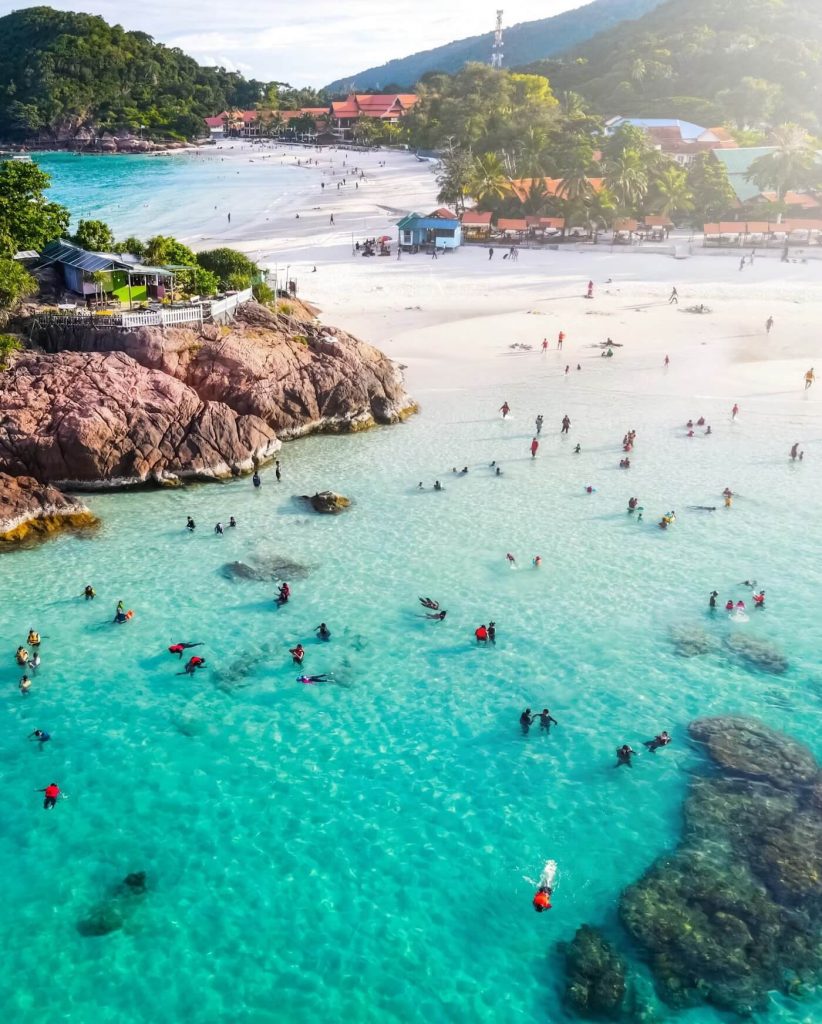
• Perhentian Islands: This is the ultimate “tropical paradise” experience. Perhentian Kecil is great for a social, backpacker vibe, while Perhentian Besar is quieter and better for families. You can snorkel with turtles and reef sharks just a few meters off the shore.
• Redang Island: Known for having the whitest sand and the most luxurious resorts in the area. It’s a top-tier choice for honeymooners or anyone looking for crystal-clear turquoise water.
• Tioman Island: A massive, rugged island with a volcanic backdrop. It’s a premier diving destination and was once named one of the most beautiful islands in the world by TIME Magazine.
Borneo’s Coastal Spots (Sabah & Sarawak)
• Tanjung Aru (Kota Kinabalu): Famous for having one of the best sunsets on the planet. It’s a must-visit for a “fly-and-flop” weekend after trekking through the Borneo jungle.
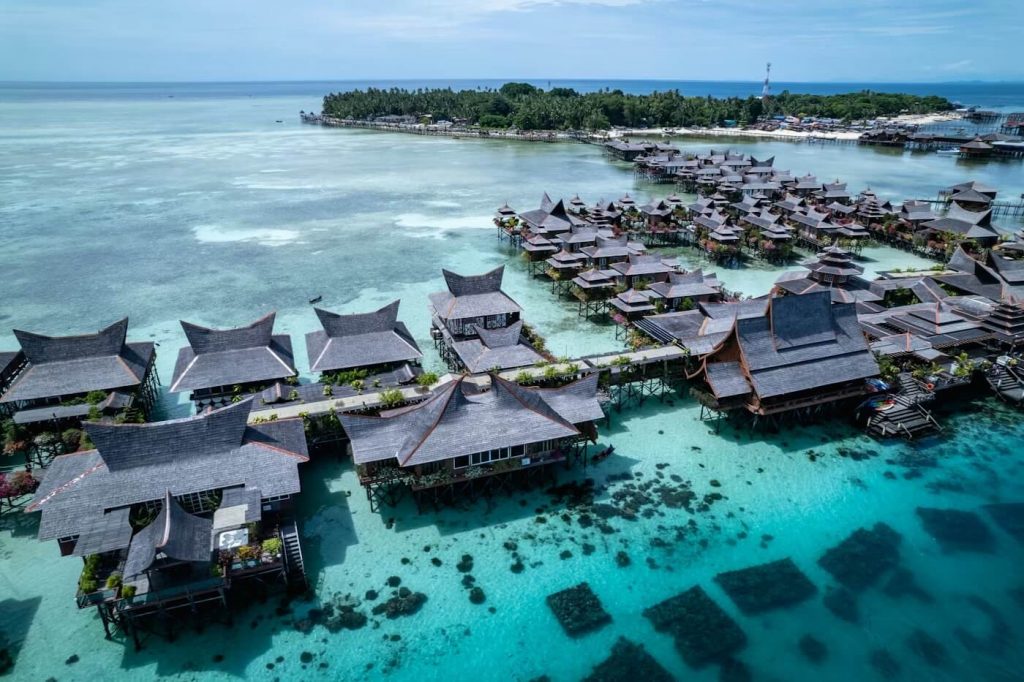
• Sipadan & Mabul Islands: These are the heavyweights of the diving world. Sipadan is a protected marine park with legendary “wall dives” where you’ll see massive schools of barracuda and dozens of turtles in a single dive.
• Gaya Island: Located in the Tunku Abdul Rahman Marine Park, this is where you go for eco-luxury resorts set right against the rainforest.
For more information, read my full post on the Best Beaches To Visit In Malaysia.
Top Things To Do In Malaysia
Malaysia offers a mix of high-altitude thrills, deep-jungle adventures, and world-class food. Here is what you shouldn’t miss.
- Scale the Skyscrapers in KL: While the Petronas Twin Towers are the classic icon, 2026 is all about the Merdeka 118—the second-tallest building in the world. For the best views, head to the observation decks or grab a drink at a rooftop bar in Bukit Bintang.
- Get Lost in George Town’s Alleys: Penang’s capital is a living museum. Spend a morning hunting for the famous interactive street art and an afternoon eating your way through the hawker stalls. It’s a UNESCO-listed experience that feels different every time you visit.
- Catch the “Double Festival” Magic: 2026 is special because Chinese New Year and Ramadan fall at almost the same time (February/March). You’ll see red lanterns alongside festive Ramadan bazaars, offering a cultural atmosphere you won’t find in any other year.
- Wildlife Watching in Borneo: Head to Sabah to see orangutans and sun bears in their natural habitat. For a “surreal” experience, take a sunset river cruise on the Kinabatangan River to spot pygmy elephants and proboscis monkeys.
- Trek the World’s Oldest Rainforest: In Taman Negara, you can walk across a 530-meter-long canopy walkway suspended high above a 130-million-year-old jungle. It’s the ultimate way to see the rainforest from a bird’s-eye view.
- Escape to the Tea Plantations: The Cameron Highlands offer a break from the heat. Tour the BOH tea estates, explore the “Mossy Forest” (which looks like something out of Lord of the Rings), and enjoy fresh strawberries while taking in the mountain air.
- Island Hop in Langkawi: Beyond the beaches, take the Langkawi SkyCab (one of the steepest cable car rides in the world) to the Sky Bridge. The views of the 99 islands scattered across the Andaman Sea are unbeatable.
- Diving at Sipadan: If you’re a diver, this is the holy grail. It’s consistently ranked as one of the top dive spots in the world, where you can swim through massive “tornados” of barracuda and see dozens of sea turtles in a single session.
- Eat Like a Local at a Night Market: Whether it’s Jalan Alor in KL or Jonker Street in Malacca, your trip isn’t complete until you’ve sat on a plastic stool and enjoyed a RM15 feast of Satay, Laksa, and Grilled Fish.
What to Eat in Malaysia
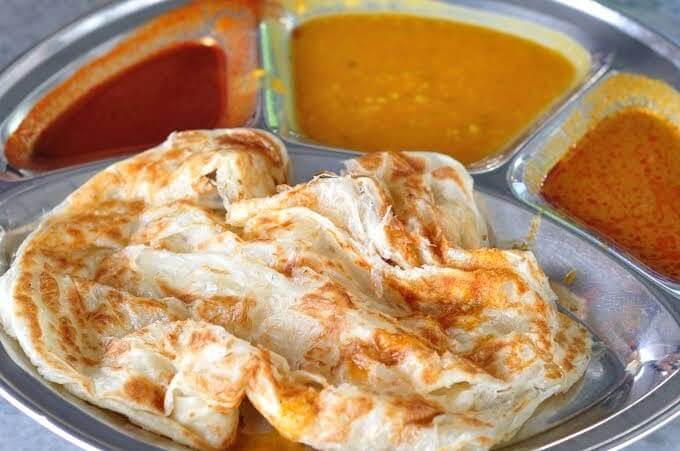
Malaysia is a food-obsessed nation where Malay, Chinese, and Indian flavors collide. For Visit Malaysia Year 2026, the food scene is more vibrant than ever, with 58 eateries now recognized by the Michelin Bib Gourmand for offering world-class taste at a budget price.
- Nasi Lemak: The undisputed national dish. Fragrant rice cooked in coconut milk, served with spicy sambal, crispy anchovies, peanuts, and a boiled egg.
- Roti Canai: A flaky, buttery flatbread tossed by hand and served with dhal or spicy curry. It’s the ultimate Malaysian breakfast.
- Char Kway Teow: Smoky, stir-fried flat rice noodles with prawns, cockles, and bean sprouts. Look for the “Wok Hei” (breath of the wok) for the best experience.
- Laksa: A spicy noodle soup that changes by region. Try the tangy, fish-based Asam Laksa in Penang or the creamy Curry Laksa in Kuala Lumpur.
- Satay: Seasoned meat skewers grilled over charcoal and served with a rich, chunky peanut dipping sauce.
- Hainanese Chicken Rice: Perfectly poached, tender chicken served over fragrant rice with a zingy ginger and chili sauce.
- Rendang: A slow-cooked, dry beef curry exploding with coconut milk and spices like lemongrass and turmeric.
- Nasi Kandar: A northern specialty (don’t miss it in Penang!) where your rice is “flooded” with a mix of different intense curries.
- Murtabak: A thick, pan-fried pancake stuffed with minced meat, eggs, and onions—a staple at local night markets.
- Teh Tarik: The “pulled tea” of Malaysia. It’s frothy, sweet, and usually prepared with a bit of a performance.
- Cendol: A cold dessert of shaved ice, green pandan jelly, and coconut milk, drenched in rich Gula Melaka (palm sugar).
- Durian: The “King of Fruits.” It’s famous for its strong smell and custard-like texture—love it or hate it, you have to try it once!
Best Time to Visit Malaysia

Malaysia is hot and humid year-round, but avoiding the rain is all about location. The country has two distinct monsoon seasons that hit different sides of the peninsula at different times.
1. West Coast (Kuala Lumpur, Penang, Langkawi)
- Best Time: December to February (Driest and sunniest).
- The Weather: This side is protected by Sumatra, so it doesn’t get a “shutdown” monsoon. However, expect heavy (but short) thunderstorms in the afternoons during September, October, and November.
- Pro Tip: Don’t worry about the rain here too much; it usually lasts an hour and clears up.
2. East Coast (Perhentian Islands, Tioman, Redang)
- Best Time: March to October.
- The “No-Go” Zone: November to February. This is the Northeast Monsoon season. The seas get rough, ferries often stop running, and many island resorts literally shut down for the season. Do not plan a beach trip here in January!
3. Borneo (Sabah & Sarawak)
- Best Time: March to October is ideal for climbing Mt. Kinabalu and diving.
- Wildlife: If you are here for orangutans or pygmy elephants, May to September is the dry season, making the animals easier to spot as they gather near riverbanks.
How To Get Around In Malaysia
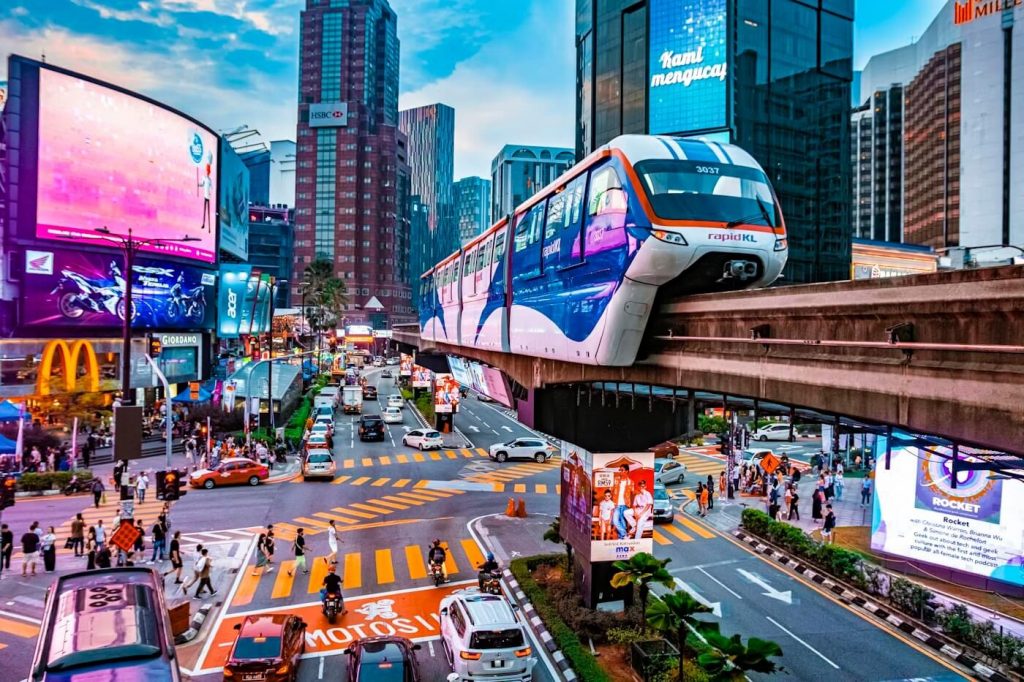
Malaysia has some of the best infrastructure in Southeast Asia, making it incredibly easy to navigate.
- E-Hailing (Grab & inDrive): Skip the street taxis and download Grab—it’s the “everything app” here. For a budget alternative that’s gaining popularity this year, try inDrive, where you can negotiate your fare directly with the driver. Both are safer and more reliable than trying to find a metered taxi on the street.
- The Modern Rail Network (ETS): Huge news for 2026—the ETS (Electric Train Service) is now fully operational all the way from the Thai border in the north to Johor Bahru in the south. These trains are fast, clean, and reach speeds of 140km/h. It’s now the most comfortable way to travel between KL, Ipoh, Penang (via Butterworth), and JB.
- Urban Transit (LRT, MRT, & Monorail):
If you’re in Kuala Lumpur, the train system is world-class. - Buses: For long-distance travel on a budget, Malaysian buses are surprisingly luxury. Many “VIP” buses have massive reclining seats and USB chargers. Use platforms like redBus or Easybook to book your seats in advance, especially during the 2026 festival seasons.
Malaysian Ringgit: Currency & Exchange Rate
Malaysian Ringgit Currency best money conversion data courtesy coinmill.com
The official currency is the Malaysian Ringgit (MYR), often denoted as RM.
Cost of Living: Is Malaysia Expensive?
| Average Meal in Restaurant | 20 RM | $5 |
| Beer in Restaurant or Bar | 15 RM | $3.80 |
| Bottle of Water | 2 RM | $0.51 |
| Apartment Rural | 1200 RM | $305 |
| Apartment City Center | 1700 RM | $431 |
| Average Monthly Net Salary | 3750 RM | $951 |
Malaysia remains one of the most affordable travel destinations in Southeast Asia, offering incredible value for money. While street food remains cheap (around RM10–RM15 per meal), alcohol and imported goods are heavily taxed and can be pricey.
Malaysia Customs and Culture
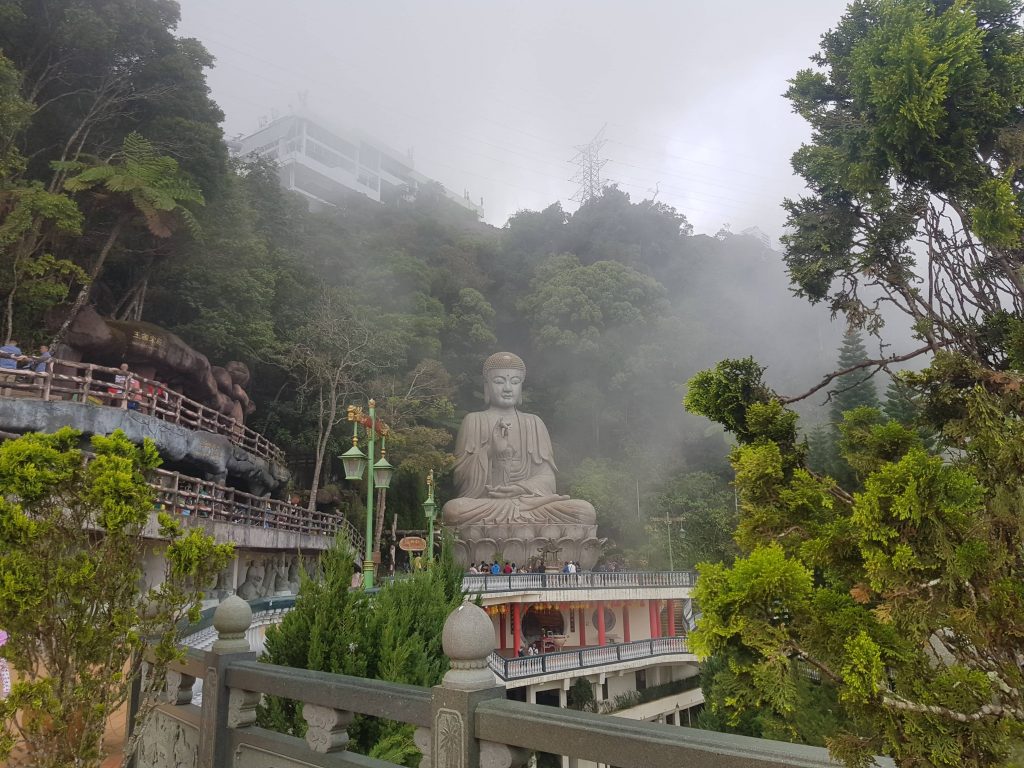
Malaysia is a welcoming, multi-ethnic society, but a little cultural awareness goes a long way.
• The Modesty Rule: Malaysia is a Muslim-majority country. While casual wear like shorts and T-shirts is fine in cities like KL or on islands like Langkawi, you should cover your shoulders and knees when visiting mosques or temples.
• Beach Etiquette: Bikinis are perfectly fine at resorts and major tourist islands (Perhentian, Redang, Langkawi). However, if you visit “local” public beaches on the mainland, a one-piece or a t-shirt over your swimwear is a respectful move.
• The Right Hand: Always use your right hand to shake hands, pay for items, or eat. The left hand is traditionally reserved for “bathroom duties” and is considered impolite for social interactions.
• Keep Your Cool: Malaysians value “Face” and politeness. Being loud, aggressive, or confrontational in public is a quick way to lose respect. A smile and a calm tone will get you much further!
• Shoes Off: It’s standard to remove your shoes before entering a home, a place of worship, and even some smaller boutique shops. If you see a pile of shoes at the door, follow the lead!
Healthcare Services for Travelers
Malaysia is a global leader in “Medical Tourism,” so the facilities are top-tier.
• Public vs. Private: While public hospitals are affordable, they are often crowded. For travelers, Private Hospitals (like Gleneagles or Prince Court) are the gold standard. They feel like 5-star hotels, have zero wait times, and all staff speak fluent English.
• Pharmacies: Pharmacies like Guardian and Watsons are on almost every corner. Many medications that require a prescription in the US or UK can be bought over-the-counter here after a quick chat with the on-site pharmacist.
• Emergency: Dial 999 for emergencies.
Essential Travel Toolkit:
Malaysia Entry Requirements 2026
• Visa-Free Access: Over 160 nationalities (including US, UK, Canada, Australia, and EU citizens) get 90 days of visa-free entry. China & India get 30 days until December 31, 2026.
• Everyone Else: If you aren’t on the exempt list, you will likely need an E-visa. Check the Official Wki Immigration Website for the latest details.
Malaysia Digital Arrival Card (MDAC)
This is the one step that trips people up. All foreign travelers (except Singaporeans) must fill out the Malaysia Digital Arrival Card (MDAC) online 3 days before arrival. It’s mandatory.
Internet & SIM Cards
Malaysia has lightning-fast 5G in all major cities.
• Physical SIMs: You can grab these at the airport arrivals hall or any 7-Eleven. The big players are Maxis, CelcomDigi (the newly merged giant), and U Mobile.
• E-SIM (Recommended): Save time by setting this up before you fly. Purchase a SouthEast Asia E-sim Here.
Malaysia Electrical Outlets: Do You Need an Adapter?
• Malaysia uses Type G outlets, the three-pronged rectangular style found in the UK. If you’re visiting from the U.S., Canada, or Japan, you will need a travel adapter because the plug shape and voltage (240V vs 110V) are different. Most modern electronics like phones and laptops are dual voltage and only need a plug adapter, but for “single voltage” items like hair dryers, you’ll need a converter to avoid frying your gear.
(As an Amazon Associate, I earn from qualifying purchases at no extra cost to you.)
Travel Insurance
We never travel without it. Malaysia has excellent private healthcare, but it isn’t free. We use SafetyWing because it’s built for nomads and covers the stuff that actually ruins trips—medical emergencies, lost checked bags, and unexpected flight cancellations. It’s a small price for peace of mind.

Malaysia Travel Guide Conclusion
Malaysia is far more than just a destination; it is a vivid, sensory experience that stays with you long after you’ve left. As the country celebrates Visit Malaysia Year 2026, the “Truly Asia” spirit is on full display with over 300 festive events, state-of-the-art infrastructure like the Merdeka 118, and a world-renowned culinary scene that remains both authentic and affordable. Whether you are seeking the “surreal” heights of Kuala Lumpur’s skyscrapers, the ancient silence of Borneo’s rainforests, or the colonial charm of George Town’s streets, 2026 offers a rare opportunity to see the nation at its most vibrant. Pack your curiosity and get ready to discover why Malaysia is Southeast Asia’s most captivating story this year.
Do I need a visa to visit Malaysia?
Most tourists from many countries can enter Malaysia visa-free for stays of up to 90 days. However, visa requirements can vary, so it’s best to check with the Malaysian embassy or consulate in your home country before traveling.
What’s the best time to visit Malaysia?
The best time to visit Malaysia is during the dry season, which typically runs from November to March on the west coast and May to September on the east coast. This is the perfect time to experience Malaysian culture, savor the local cuisine, and explore the stunning beaches and attractions in the country.
What are the must-visit destinations in Malaysia?
Some popular places to visit in Malaysia include Kuala Lumpur (home to the Petronas Towers and amazing Malaysian food), Penang (known for historic George Town and its culinary delights), Langkawi (a paradise for beach lovers), Malacca (rich in cultural heritage), and the Cameron Highlands (famous for tea plantations and a cool climate).
Is Malaysia a safe destination for travelers?
Malaysia is generally a safe destination for tourists. Exercise common safety precautions such as being aware of your surroundings and avoiding risky areas, just as you would in any other country. While staying safe, you can still enjoy the best beaches Malaysia has to offer, and indulge in the local cuisine, known for its diverse and delicious flavors.
What is the local currency, and can I use credit cards?
The local currency is the Malaysian Ringgit (MYR). Credit cards are widely accepted in urban areas, but it’s advisable to carry some cash for smaller businesses or rural areas where card acceptance may be limited. This way, you can comfortably explore the top things to do, and enjoy the best places to visit in Malaysia without worrying about payment methods.
What are the local customs and etiquette I should be aware of?
Malaysians are generally friendly and polite. It’s respectful to remove your shoes when entering someone’s home, dress modestly when visiting religious sites, and use your right hand when giving or receiving something. Additionally, public displays of affection should be kept to a minimum. This cultural awareness will enhance your experience as you savor authentic Malaysian food and explore the country’s best beaches and attractions.