Traveling through Southeast Asia is affordable, but using the wrong ATM, debit card, or currency exchange service can quietly cost you hundreds of dollars in unnecessary fees over time. The good news is that avoiding these extra costs is surprisingly simple. In this guide, I’ll show you how to get the best exchange rates in Southeast Asia, minimize ATM and foreign transaction fees, and use the same money-saving strategies I’ve relied on while traveling throughout the region. Whether you’re visiting for a few weeks or moving abroad long term, these tips will help you keep more money in your pocket.
How to Get the Best Exchange Rates in Southeast Asia
1. Check the Current Exchange Rates

Before exchanging cash or withdrawing money from an ATM, take 30 seconds to check the current exchange rate. Knowing the approximate market rate makes it much easier to spot poor exchange rates, hidden markups, and unnecessary fees.
I recommend using XE or Wise to view the live mid-market exchange rate. This is the rate banks use when trading currencies with each other and serves as a good benchmark for comparing ATMs, credit cards, and local currency exchange services.
Keep in mind that you’ll rarely receive the exact mid-market rate. Banks, ATMs, and money changers all make a small profit on currency conversions. Your goal isn’t to find the perfect rate—it’s to avoid overpaying by using services with large markups or excessive fees.
A quick rate check before exchanging money can save you far more than most travelers realize, especially if you’re withdrawing larger amounts or traveling through Southeast Asia for several weeks or months.
2. The Best Way to Access Money in Southeast Asia

After years of traveling throughout Southeast Asia, I’ve found there isn’t one perfect way to access your money—it’s about using the right tool for the right situation. My strategy is simple: use a debit card for ATM withdrawals, a travel credit card for everyday spending, and Wise whenever I need to transfer money internationally.
For cash, I recommend withdrawing local currency directly from an ATM using a debit card with no foreign transaction fees and, ideally, international ATM fee reimbursement. This almost always provides a better overall value than exchanging large amounts of cash before your trip.
Whenever possible, pay with a travel credit card that charges no foreign transaction fees. You’ll receive a competitive exchange rate, earn travel rewards, and reduce the amount of cash you need to carry. Just be sure to pay in the local currency whenever you’re given the choice.
Finally, if you’re moving abroad or need to send money between countries, Wise is one of the easiest and most cost-effective ways to transfer funds. Its low fees and competitive exchange rates make it an excellent option for expats, digital nomads, and long-term travelers.
3. Choose the Right Debit Card
The debit card you bring can make a surprisingly big difference over the course of a trip. Many banks charge foreign transaction fees, international ATM fees, or both, which can quietly add up every time you withdraw cash. Choosing the right card before you leave can save you hundreds of dollars if you’re traveling or living in Southeast Asia long term.
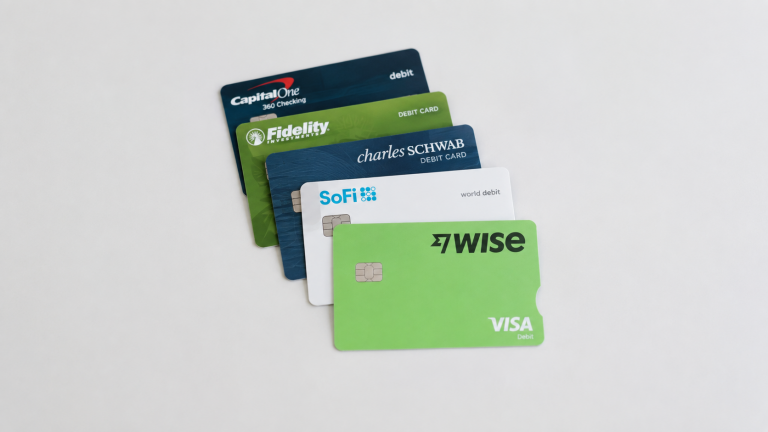
For U.S. travelers, the Charles Schwab Investor Checking debit card remains one of the best options thanks to its unlimited ATM fee reimbursements worldwide and no foreign transaction fees. If you don’t have Schwab, the Capital One 360 debit card is another solid choice with no foreign transaction fees.
1. Charles Schwab Debit Card (Best Overall)
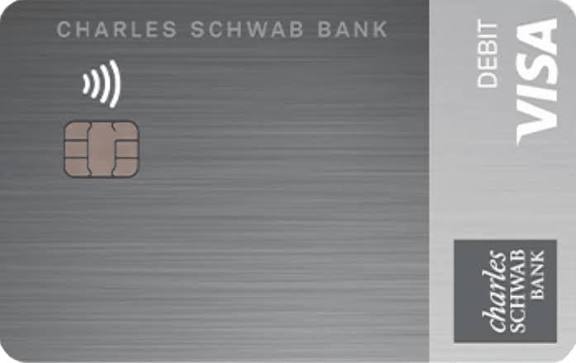
The Charles Schwab Debit Card still the #1 choice for Americans traveling abroad.
2. Capital One 360 Debit Card
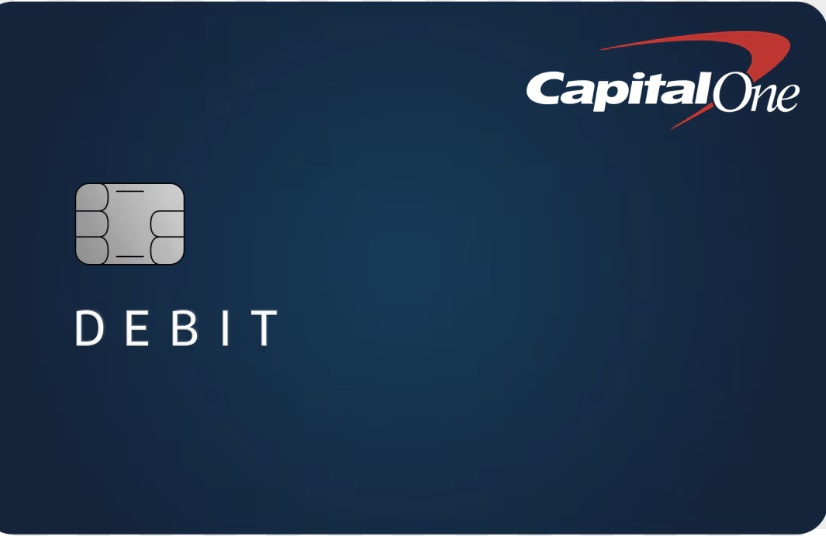
Capital One 360 is another solid choice and a strong backup.
3. Wise Travel Card (Best Alternative for Multi-Currency Use)
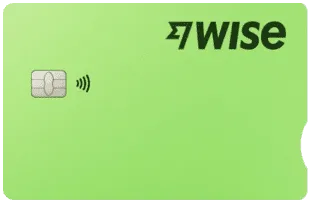
The Wise Debit Card is ideal for managing multiple currencies.
No matter which debit card you use, always carry a backup. Cards can be lost, damaged, or temporarily locked for fraud, and having a second debit card stored separately can save you from a major headache. It’s also a good idea to notify your bank of your travel plans before leaving and keep a small emergency cash reserve in case you can’t access an ATM right away.
4. Use Credit Cards Whenever Possible
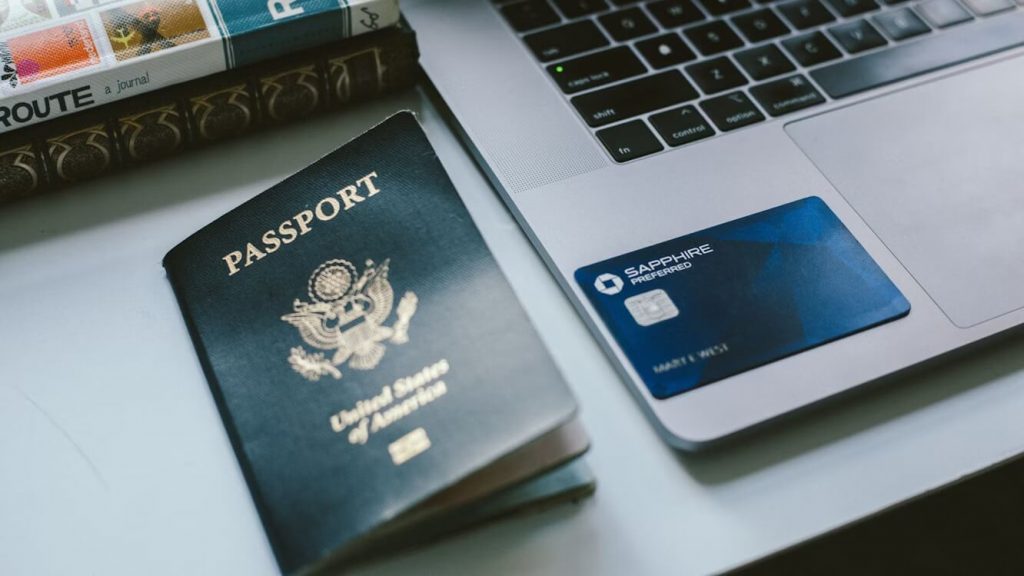
Whenever a business accepts credit cards, I generally use one instead of cash. Not only is it more convenient, but you’ll typically receive a competitive exchange rate, earn travel rewards, and avoid carrying large amounts of cash. Just make sure your card doesn’t charge foreign transaction fees, as those can quickly erase the value of any rewards you earn.
If you’re offered the choice to pay in your home currency or the local currency, always choose the local currency. This avoids Dynamic Currency Conversion (DCC), a service that often uses a much worse exchange rate than your card issuer. It’s one of the easiest ways to save money while traveling abroad.
For added security, use Apple Pay or Google Wallet whenever they’re available instead of handing over your physical card. Digital wallets use tokenized payments, making them more secure than swiping or inserting your card. I also recommend traveling with at least two credit cards in case one is lost, compromised, or temporarily frozen for suspected fraud.
💳 Looking for the best travel credit cards?
Check out my guide to the Best Two-Card Travel Rewards Setup for a simple wallet, or see my Complete Travel Credit Card Setup if you want to maximize points, hotel rewards, and premium travel benefits.
5. Avoid These Common Money Mistakes
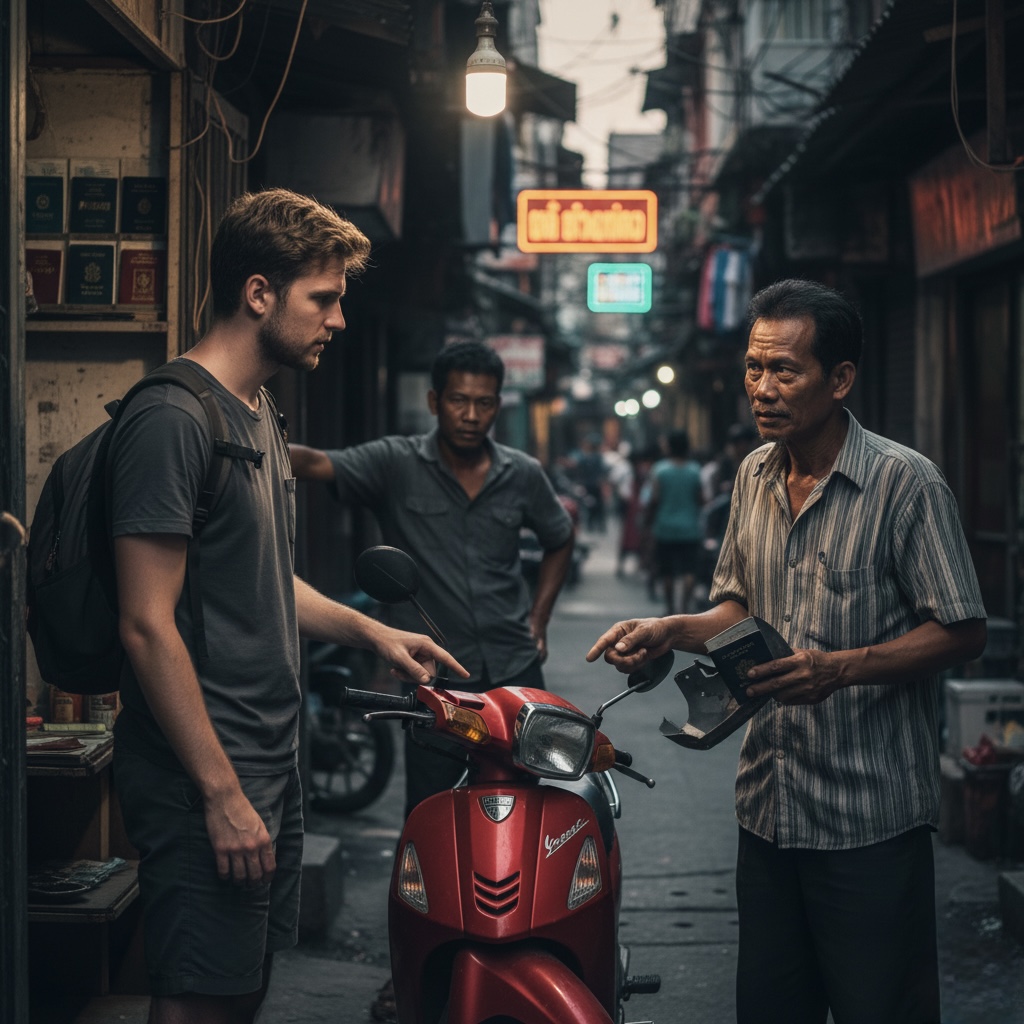
Making a few simple mistakes can cost you far more than exchange rate fluctuations. Fortunately, they’re easy to avoid once you know what to look for.
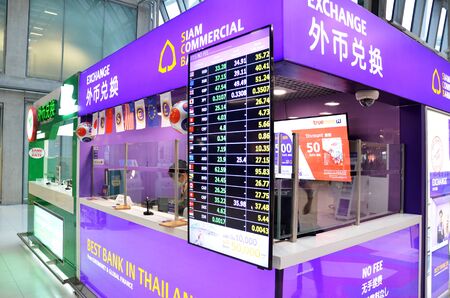
- Avoid airport currency exchange counters altogether. They almost always offer some of the worst exchange rates you’ll find. Instead, plan ahead by using a travel-friendly debit card to withdraw cash from an ATM after you arrive or exchange money at a reputable currency exchange company in the city. Before leaving the country, try to spend most of your remaining local currency so you don’t have to exchange it back at another unfavorable rate.
- Always pay in the local currency. If a payment terminal asks whether you’d like to pay in your home currency, decline it. Choosing the local currency avoids Dynamic Currency Conversion (DCC), which usually comes with an unfavorable exchange rate.
- Avoid frequent small ATM withdrawals. Since many banks charge a flat ATM fee, it’s usually cheaper to withdraw larger amounts less often rather than making multiple small withdrawals.
- Don’t rely on a single card. Debit and credit cards can be lost, stolen, or temporarily frozen for fraud. Carry at least one backup debit card and one backup credit card, and keep them separate from your primary wallet.
- Never use a card with foreign transaction fees. A typical 3% foreign transaction fee can quickly add up over weeks or months of travel. There are plenty of travel-friendly cards that waive these fees entirely.
6. Cash vs. Cards in Southeast Asia
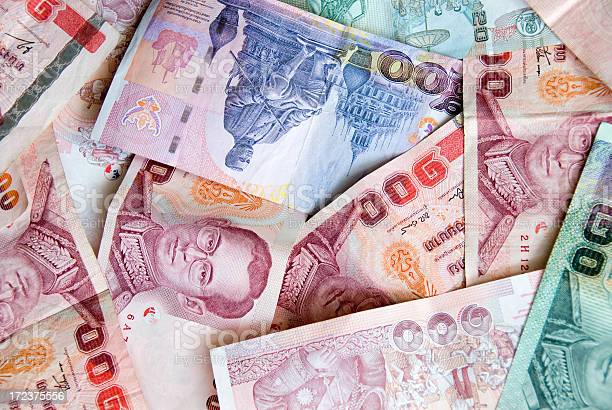
One of the biggest adjustments for many travelers is knowing when to use cash and when to use a credit card. While card acceptance continues to improve across Southeast Asia, cash is still essential for many everyday purchases.
I typically use cash for street food, night markets, local restaurants, taxis, massages, and other small businesses. For hotels, shopping malls, supermarkets, flights, and larger restaurants, I prefer using a travel credit card to earn rewards and avoid carrying too much cash.
One lesson I learned the hard way is to avoid swiping or handing over your physical credit card whenever possible. I’ve had my card information compromised three different times while traveling in Southeast Asia. Now I almost exclusively use Apple Pay or Google Wallet whenever a business supports contactless payments. Digital wallets use tokenized transactions, making them much more secure than swiping or inserting your card.
If a merchant doesn’t accept contactless payments and insists on swiping or taking my card out of sight, I’ll usually pay with cash instead. It’s a simple habit that has greatly reduced my risk of credit card fraud while traveling abroad.
7. Best Currency Exchange Companies
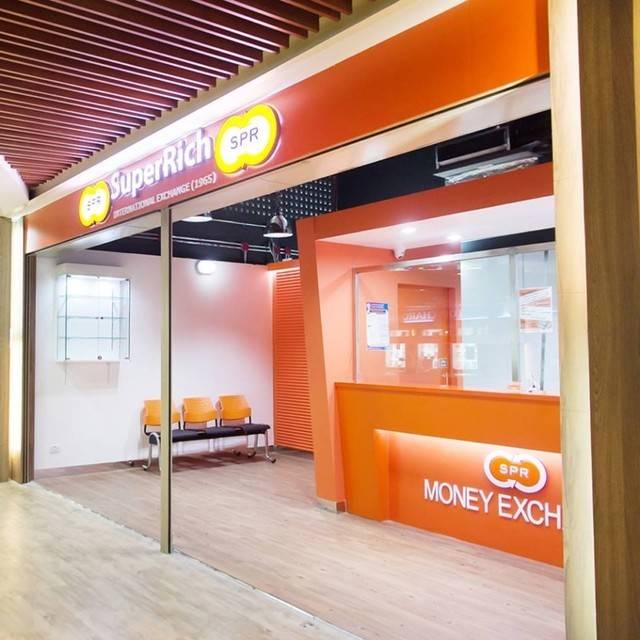
If you prefer exchanging cash instead of using an ATM, stick with reputable, licensed currency exchange companies. They typically offer much better rates than airports, hotels, or tourist attractions, and there are usually no hidden commissions.
In Thailand, SuperRich is widely regarded as one of the best places to exchange money, especially at its Bangkok locations. If you’re in Vietnam, look for licensed gold shops or established exchange counters, which often provide better rates than banks. In Malaysia, shopping mall money changers are known for offering competitive rates, while Indonesia has many authorized money exchange businesses in major tourist areas.
No matter which country you’re visiting, compare rates at two or three nearby exchange companies before converting a large amount of cash. Even a small difference in the exchange rate can save you a surprising amount of money over the course of a long trip.
As a general rule, avoid exchanging money at airports unless it’s an emergency. Exchange only enough for transportation or your first day’s expenses, then wait until you reach the city, where competition usually results in much better rates.
8. Should You Exchange Money Before Arriving?
I recommend exchanging only a small amount of local currency before you leave—just enough to cover transportation, food, or any unexpected expenses during your first day. Having a little cash on hand can make arriving in a new country much less stressful, especially if your flight lands late or you can’t find an ATM right away.
For larger amounts, wait until you arrive. In most Southeast Asian countries, you’ll usually receive better exchange rates by withdrawing cash from an ATM with a travel-friendly debit card or using a reputable local currency exchange company than you will at your bank back home.
Another option is to simply withdraw a small amount from an airport ATM when you land and exchange additional money later in the city. This gives you the convenience of having local currency immediately without sacrificing a significant amount to poor airport exchange rates.
9. ATM Tips That Save You Money
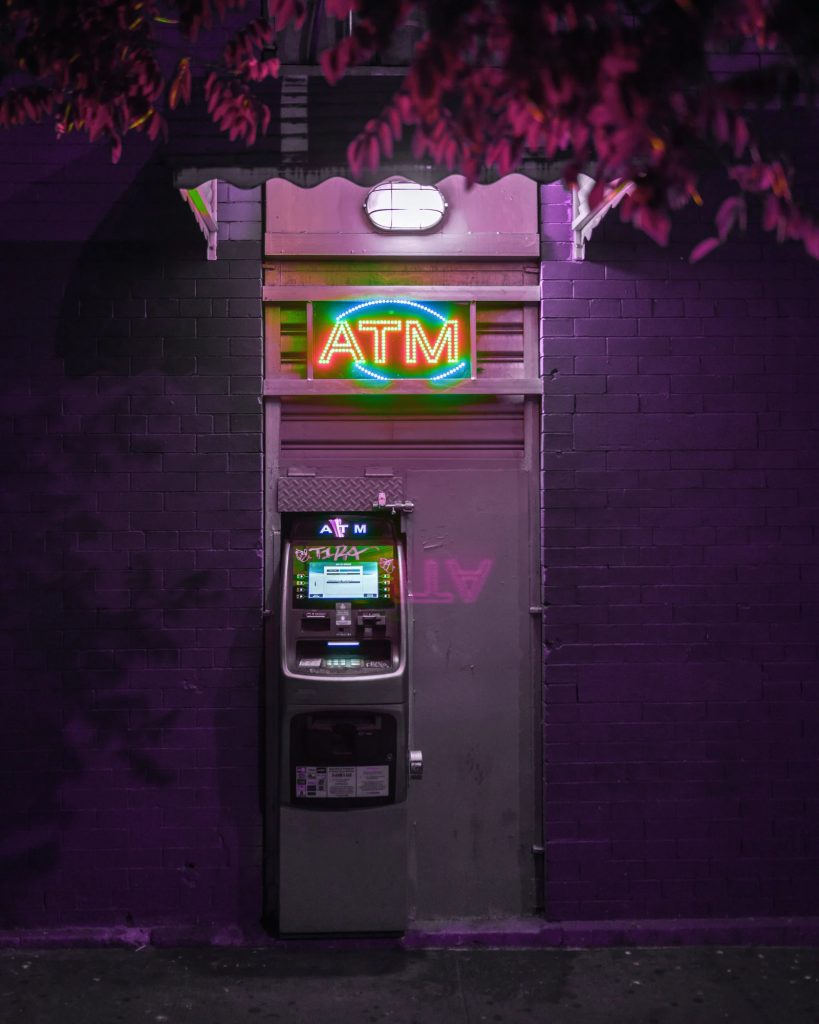
Using the right ATM strategy can save you a surprising amount of money over the course of a trip. These simple habits will help you minimize fees and get the best value every time you withdraw cash.
- Withdraw larger amounts less often. Since many banks charge a flat ATM fee, making fewer withdrawals reduces your overall costs.
- Always decline Dynamic Currency Conversion (DCC). If the ATM asks whether you’d like to be charged in your home currency, always choose the local currency. Your bank or card issuer will almost always provide a better exchange rate.
- Use ATMs located at banks. Bank branch ATMs are generally more secure, better maintained, and less likely to have card-skimming devices than standalone machines.
- Carry a backup debit card. Cards can be lost, damaged, or temporarily frozen for fraud. Keep a second debit card in a separate location so you always have access to your money.
- Don’t carry all your cash in one place. Split your cash between your wallet, hotel safe, and luggage so you aren’t left without money if your wallet is lost or stolen.
10. My Personal Money Strategy
After years of traveling throughout Southeast Asia, I’ve settled on a simple system that minimizes fees, earns travel rewards, and keeps my money secure.
For everyday purchases, I use a travel credit card with no foreign transaction fees and pay with Apple Pay whenever it’s available. I rarely hand over my physical card anymore after having my card information compromised multiple times while traveling.
When I need cash, I withdraw larger amounts from an ATM using a travel-friendly debit card rather than making frequent small withdrawals. This reduces ATM fees and means I don’t have to constantly search for cash machines.
For international transfers, I use Wise, which offers competitive exchange rates and low transfer fees. It’s become one of the easiest ways to move money between countries without paying the high fees charged by many traditional banks.
This system has worked well for me because it’s simple: credit card for most purchases, debit card for cash, and Wise for transfers. I spend less time worrying about exchange rates and banking fees, and more time enjoying my travels throughout Southeast Asia.
Conclusion: Best Strategy for Money Exchange
Getting the best exchange rates in Southeast Asia doesn’t have to be complicated. A little preparation before your trip can save you hundreds of dollars in unnecessary fees over time. Check the live exchange rate before exchanging money, use a debit card with low or reimbursed ATM fees for cash withdrawals, pay with a travel credit card that has no foreign transaction fees, and always choose the local currency at checkout.
My personal system is simple: use a credit card for everyday purchases, a debit card for ATM withdrawals, and Wise for international money transfers. It’s an easy setup that minimizes fees, earns travel rewards, and keeps your money more secure while traveling abroad.
If you’re looking to optimize your wallet even further, check out my guide to the Best Two-Card Travel Rewards Setup for a simple travel strategy, or my Complete Travel Credit Card Setup to learn how I maximize points, hotel rewards, and premium travel benefits while living and traveling throughout Southeast Asia.
.
What is the best way to get money in Southeast Asia?
The best strategy is to use a debit card with no foreign transaction fees for ATM withdrawals, pay with a travel credit card whenever possible, and use Wise for international money transfers. This combination gives you competitive exchange rates while minimizing unnecessary fees.
Should I bring cash to Southeast Asia?
Yes, but only enough for your first day or two. Once you arrive, you’ll usually get better exchange rates by using local ATMs or reputable currency exchange services than by exchanging large amounts before your trip.
What is the best debit card for traveling in Southeast Asia?
Look for a debit card with no foreign transaction fees and, ideally, international ATM fee reimbursement. For U.S. travelers, Charles Schwab is one of the most popular choices, while Wise is excellent for international transfers and multi-currency spending.
Is Wise better than exchanging cash?
For international transfers and paying in multiple currencies, yes. Wise typically offers exchange rates close to the mid-market rate with transparent fees. However, you’ll still need some local cash for markets, street food, taxis, and small businesses.
Should I exchange money before leaving home?
Only exchange a small amount before departure to cover transportation or meals after you arrive. For larger amounts, you’ll usually receive a better exchange rate by withdrawing cash locally or using a reputable money changer.
Are airport exchange counters worth it?
Usually not. Airport exchange counters are convenient, but they often offer some of the worst exchange rates. If you need local currency immediately, exchange only a small amount or use an ATM, then exchange larger amounts once you’re in the city.