
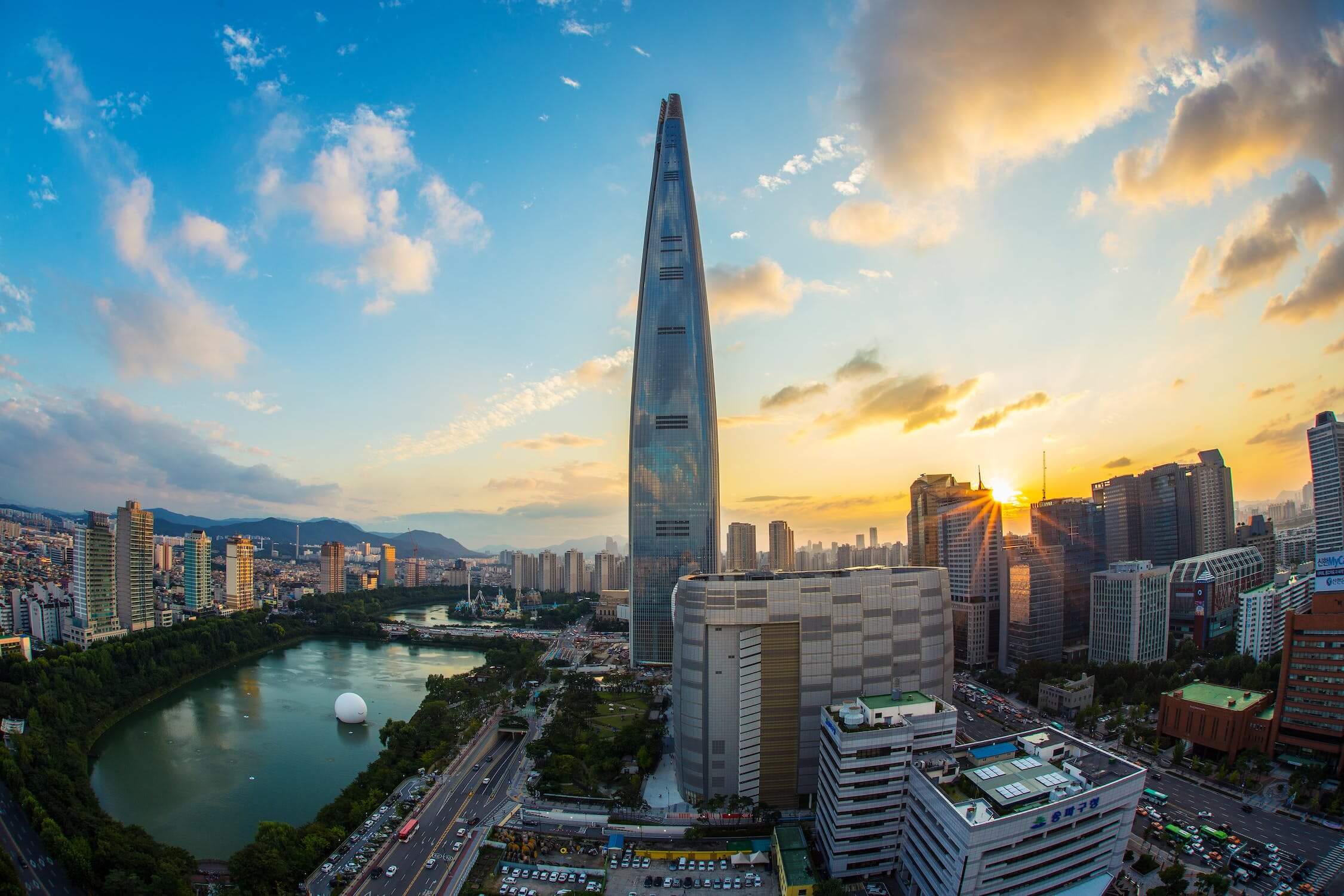
South Korea blends ancient tradition with cutting-edge modern life, making it one of Asia’s most exciting destinations. Known for Korean BBQ, K-pop, K-dramas, and global tech giants like Samsung, the country offers far more than pop culture — think mountain temples, vibrant cities, coastal islands, and some of the best food scenes in Asia. From scenic hiking trails and historic palaces to street markets and wellness experiences, this South Korea travel guide covers everything you need to plan your trip, including the best time to visit, top places to explore, must-try foods, cultural etiquette, and essential travel tips for first-time visitors.
South Korea Travel Guide
Why Visit South Korea?
- 🇰🇷 Unique blend of tradition and futuristic cities
- 🏔 Easy access to mountains and national parks
- 🍜 World-class food from street stalls to fine dining
- 🚄 Fast, affordable transportation network
- 🎎 Rich culture, temples, and UNESCO heritage sites
Best Places to Visit in South Korea
South Korea offers an incredible mix of futuristic cities, historic sites, coastal landscapes, and cultural destinations. From vibrant urban neighborhoods to peaceful temple towns, these are the best places to visit in South Korea for first-time travelers and returning visitors alike.
Seoul — Culture, Food & Modern Korea

Seoul, the capital of South Korea, blends ancient palaces with ultra-modern city life. Home to nearly half the country’s population, the city is famous for efficient subways, K-culture, street food markets, and historic Buddhist temples.
Popular neighborhoods each offer a different vibe:
- Myeongdong — shopping and Korean cosmetics
- Gangnam — finance district and upscale nightlife
- Itaewon — international food scene & expat culture
- Hongdae — street performances, cafés, and urban art
Weekends are lively, especially Friday and Saturday nights, and some bars require passport ID for entry. Seoul’s design-forward cafés and city streets make it one of Asia’s most visually appealing destinations.
➡ Read the Full Seoul Travel Guide
Busan — Beaches, Temples & Coastal Views

Busan, South Korea’s second-largest city and main port, offers a relaxed coastal contrast to Seoul. Surrounded by mountains and sea, it’s known for beautiful beaches, scenic viewpoints, and cultural landmarks.
Highlights include:
- Haeundae Beach and seaside walks
- The illuminated Gwangan Bridge (Diamond Bridge)
- Cliffside temples overlooking the ocean
- Vibrant seafood markets and local festivals
Busan combines natural beauty with city energy, making it one of the best destinations in South Korea for both relaxation and exploration.
➡ Read the Full Busan Travel Guide
Jeju Island — Korea’s Nature Escape

Jeju Island is South Korea’s most famous island getaway, known for volcanic landscapes, waterfalls, and dramatic coastal scenery. Often called the “Hawaii of Korea,” it’s popular with both domestic and international travelers seeking nature and slower travel experiences.
Top experiences include:
- Hallasan Mountain hiking trails
- Lava tubes and volcanic formations
- Coastal drives and waterfalls
- Traditional villages and local seafood
Most travelers must complete a K-ETA authorization before arrival, making entry smooth and efficient.
Incheon — Gateway to South Korea

Incheon is best known as the home of South Korea’s main international airport, but the city offers more than just transit convenience. Located near Seoul, it combines modern infrastructure with cultural attractions and waterfront districts.
Things to see:
- Songdo International Business District
- Chinatown and historic streets
- Coastal parks and promenades
- Munhak World Cup Stadium
Its excellent transportation connections make Incheon an easy addition to a Seoul itinerary.
Gyeongju — Korea’s Ancient Capital

Gyeongju is often called “the museum without walls” and is one of the best places to visit in South Korea for history lovers. Once the capital of the Silla Kingdom, the city is filled with UNESCO-listed sites and preserved cultural heritage.
Highlights include:
- Royal tomb complexes
- Bulguksa Temple
- Traditional architecture and historic ruins
- Ancient ceramics and cultural museums
Gyeongju offers a peaceful contrast to Korea’s major cities and a deep look into the country’s past.
Daegu — Mountains & Traditional Culture

Daegu sits in a scenic basin surrounded by mountains, making it a great destination for hiking and temple visits. Known for its strong traditions and slower pace, the city blends nature with cultural heritage.
Popular experiences:
- Palgongsan Mountain hikes
- Historic temples and markets
- Yangnyeongsi Traditional Medicine Market
- Local festivals and street food
Daegu is ideal for travelers wanting a more local and authentic Korean city experience.
Gwangju — History & Food Culture

Gwangju, often called the “City of Light,” is known for its artistic spirit and modern history. The city played an important role in South Korea’s democratic movement and today offers a mix of cultural sites and excellent regional cuisine.
Why visit:
- Historic democracy landmarks
- Art museums and cultural districts
- Famous local food specialties
- Vibrant traditional markets
Gwangju rewards travelers interested in culture beyond the typical tourist route.
DMZ — A Unique Historical Experience
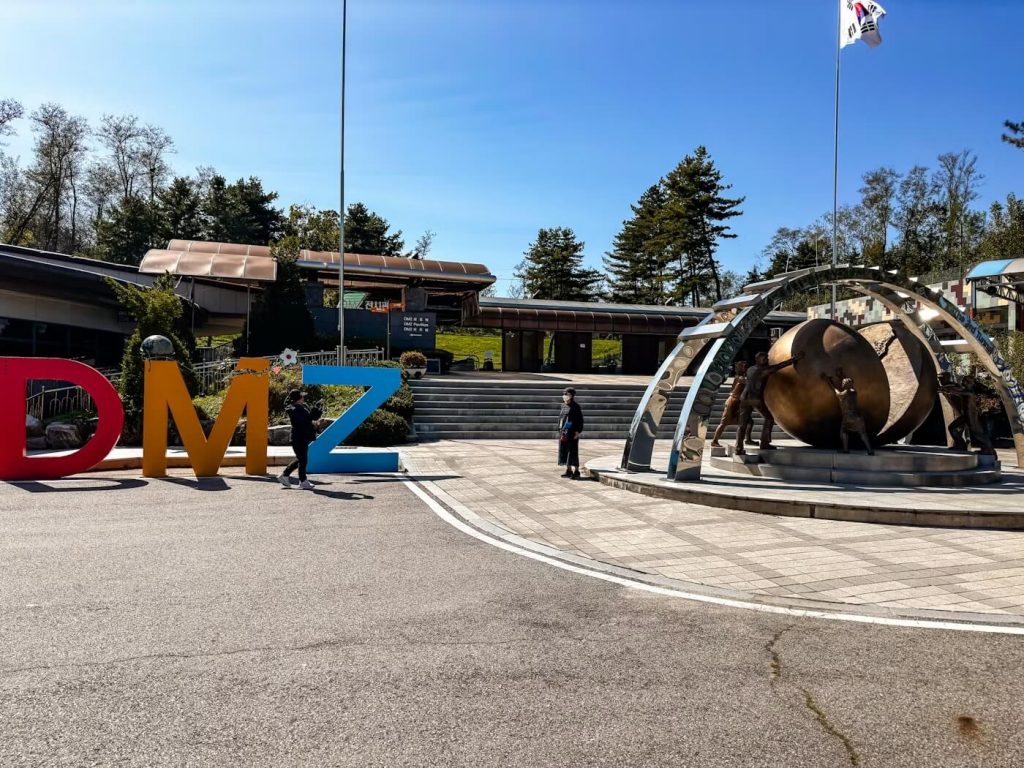
The Korean Demilitarized Zone (DMZ) is one of the most unique places to visit in South Korea. Located between North and South Korea, guided tours provide insight into modern Korean history and the ongoing division of the peninsula.
Visitors can explore observation points, tunnels, and educational exhibits while learning about one of the world’s most complex geopolitical borders.
Best Time to Visit South Korea

The best time to visit South Korea depends on your travel style, weather preferences, and the experiences you want most. Each season offers something unique — from cherry blossoms and fall foliage to beach festivals and winter snow.
Spring (Cherry Blossom Season)
Spring (April–June) is one of the most popular times to visit South Korea, when cherry blossoms transform cities and parks into pastel landscapes. Mild temperatures make it ideal for sightseeing, palace visits, and outdoor cafés. Seoul’s Yeouido Park and festivals across the country attract photographers and first-time visitors alike.
Summer (Festivals & Beaches)
Summer (July–August) brings hot, humid weather and seasonal monsoon rains, but it’s also festival season in South Korea. Coastal destinations like Busan come alive with beach events, night markets, and lively nightlife. Travelers who enjoy energy, ocean views, and summer festivals will still find plenty to do despite the heat.
Autumn (Fall Foliage & Hiking)
Autumn (September–November) is widely considered the best season for traveling in South Korea thanks to cool temperatures and vibrant fall colors. Mountains and national parks such as Seoraksan and Jirisan offer spectacular hiking scenery. Clear skies and comfortable weather make this an excellent time for city exploration and photography.
Winter (Snow & Ski Resorts)
Winter (December–February) is cold, with temperatures often dropping below −10°C, but it’s perfect for snow lovers and winter sports. Ski resorts near Seoul attract visitors looking for skiing, snowboarding, and seasonal festivals. Cities feel quieter and more atmospheric, offering a different side of South Korea travel.
Top Things to Do in South Korea
South Korea offers a diverse range of experiences, from ancient temples and mountain hikes to modern pop culture and world-class food. Whether you’re visiting for history, nature, or city life, these are the top things to do in South Korea for first-time travelers.
Klook.com- Explore historic palaces and Buddhist temples
- Hike scenic national parks and mountain trails
- Experience Korean food culture and street markets
- Discover K-pop, K-dramas, and modern Korean culture
- Stay in traditional hanok villages
- Enjoy nightlife, cafés, and night markets
Explore Korea’s National Parks & Mountains
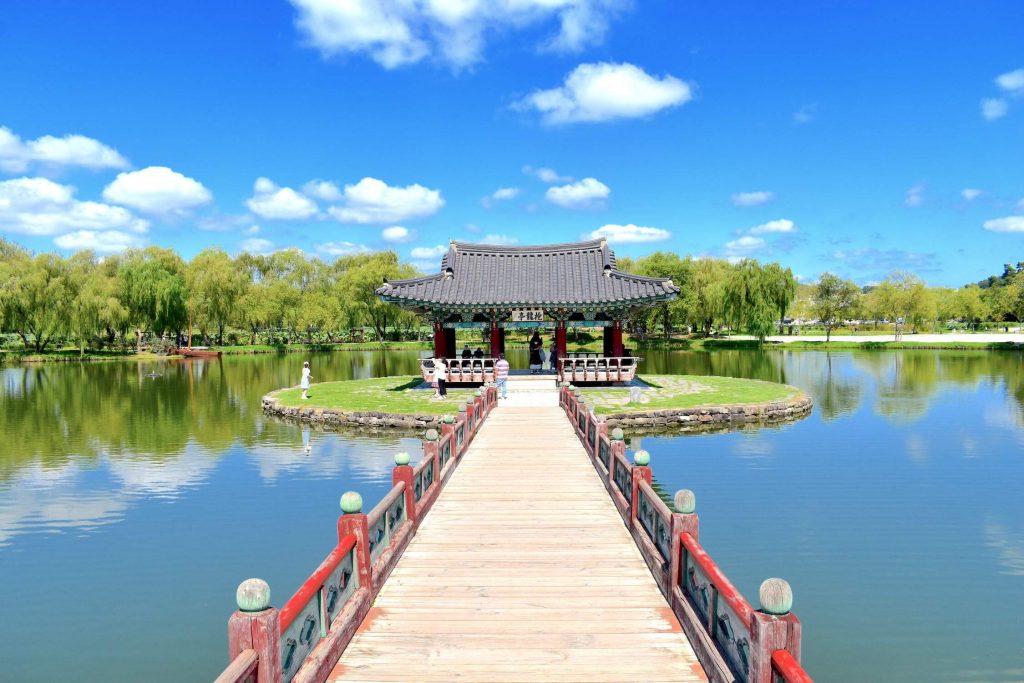
South Korea is one of the most mountainous countries in Asia, and hiking is a favorite local pastime. Seoraksan National Park is famous for dramatic peaks, waterfalls, and seasonal foliage, offering some of the country’s best hiking trails and panoramic viewpoints.
For experienced hikers, Chunwang Peak on Jirisan Mountain provides an unforgettable sunrise experience and sweeping views across southern Korea, making it a bucket-list outdoor adventure.
Experience Traditional Korean Culture
Visiting historic villages and temples is one of the most meaningful cultural experiences in South Korea. Jeonju Hanok Village allows travelers to walk through preserved traditional homes, browse craft shops, and try regional dishes like bibimbap.
Iconic temples such as Bulguksa Temple showcase the architectural beauty of the Silla Kingdom, while Haeinsa Temple, located on Mount Gaya, preserves ancient Buddhist scriptures and offers peaceful mountain surroundings.
Try a Korean Temple Stay
A Temple Stay is one of the most unique things to do in South Korea. Visitors can spend a night at an active Buddhist temple, participate in meditation, learn traditional rituals, and experience the quiet rhythm of monastic life — a memorable contrast to Korea’s fast-paced cities.
Discover Korea’s Hidden Nature Spots
Beyond famous cities, South Korea offers tranquil natural landscapes. Upo Marsh, the country’s largest wetland, attracts birdwatchers and nature lovers with diverse wildlife and seasonal scenery.
In winter, Pyeongchang County, host of the Winter Olympics, becomes a hub for skiing, snow festivals, and mountain escapes surrounded by Odaesan National Park.
What to Eat in South Korea
South Korea is one of Asia’s best food destinations, known for bold flavors, shared meals, and incredible street food culture. From sizzling barbecue restaurants to late-night market snacks, trying local dishes is one of the top experiences when traveling in South Korea. Here are must-try Korean foods every visitor should sample.
Must-Try Korean Dishes
- Korean Fried Chicken – Crispy, double-fried chicken coated in sweet, spicy, or garlic soy sauce. Often enjoyed with beer (“chimaek”), it’s a favorite local comfort food and perfect for a casual night out.
- Mandu (Korean Dumplings) – Steamed or fried dumplings filled with meat, vegetables, or kimchi. Found in markets, restaurants, and street stalls across the country.
- Tteokbokki (Street Food Favorite) – Chewy rice cakes simmered in a spicy-sweet chili sauce, commonly found at street markets and night food stalls.
- Hotteok – A popular street food snack — warm pancakes filled with brown sugar, cinnamon, and nuts. Especially popular during cooler months.
- Korean BBQ (Samgyeopsal & Bulgogi) – Grilling meat at your table is a classic Korean dining experience. Pork belly (samgyeopsal) and marinated beef (bulgogi) are among the most popular choices.
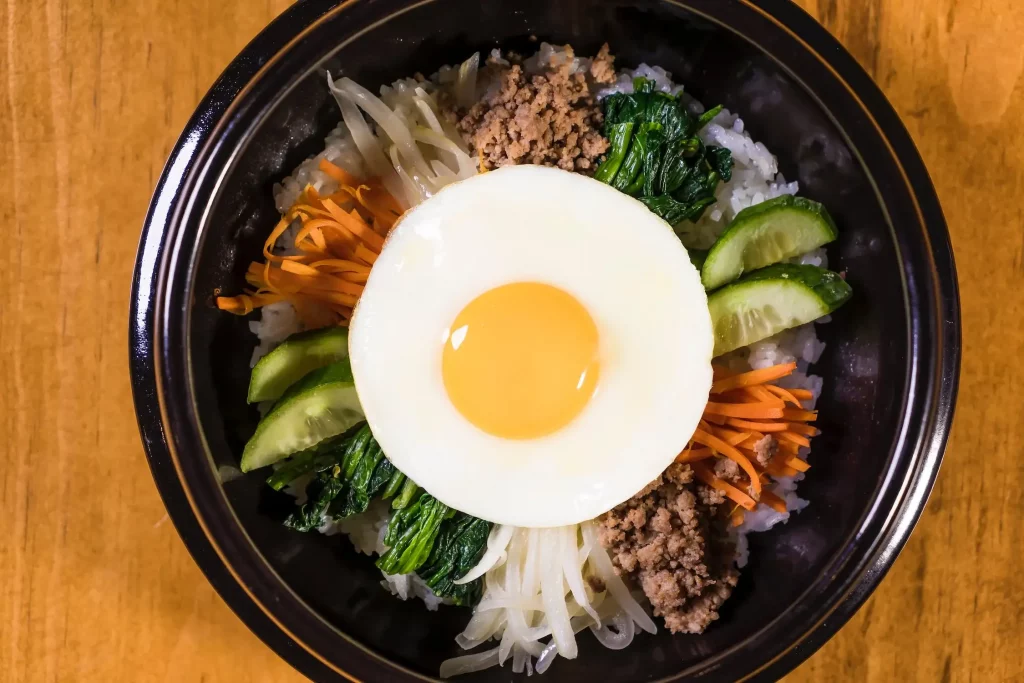
- Bibimbap – A colorful rice bowl topped with vegetables, meat, egg, and spicy gochujang sauce. Jeonju is particularly famous for this dish.
- Japchae – Sweet potato glass noodles stir-fried with vegetables and meat, offering a slightly sweet and savory flavor.
- Kimbap – Often called Korean-style sushi, these rice rolls are filled with vegetables, egg, and meat — perfect for quick meals or picnics.
- Pajeon – Savory pancakes made with seafood or green onions, commonly enjoyed with rice wine on rainy days.
➡ Read the Full What to Eat in South Korea Food Guide
Getting Around South Korea
South Korea has one of the most efficient and traveler-friendly transportation systems in the world. Fast trains, modern subways, and easy payment systems make traveling between cities and attractions simple — even for first-time visitors.

1. Seoul Subway System
- The Seoul subway is clean, affordable, and extremely easy to use, with English signage throughout the network. It connects major attractions such as Gyeongbokgung Palace, Myeongdong, and Hongdae, making it the best way to explore the capital.
➡ Read My Guide: How To Ride the Subway In South Korea Guide.

2. High-Speed Rail (KTX)
- The KTX high-speed train connects major cities like Seoul, Busan, and Daegu in just a few hours. It’s the fastest and most comfortable way to travel across the country, ideal for multi-city itineraries.
➡ Purchase tickets via the official Letskorail website.

3. Local Trains and Buses
- Local trains and intercity buses provide excellent coverage to smaller cities and rural destinations. They are reliable, affordable, and essential for visiting traditional markets, temples, and national parks outside major urban areas.
➡ Book long-distance buses through the official Kobus website.
➡ Read My Guide: How To Ride The Bus in South Korea Guide.
4. Taxis and Ride-Sharing Apps
- Taxis are safe, affordable, and widely available throughout South Korea. They’re especially convenient late at night or when traveling short distances between neighborhoods, nightlife areas, or accommodations.

The T-Money Card is the easiest way to pay for transportation in South Korea. This reloadable smart card works on subways, buses, and many taxis — simply tap to ride.
Why travelers love it:
- Faster than buying individual tickets
- Rechargeable at subway stations and convenience stores
- Accepted for small purchases at select shops
For most visitors, the T-Money card quickly becomes an essential travel companion.
South Korea Travel Tips for First-Time Visitors
Planning ahead makes traveling in South Korea incredibly smooth. The country is modern, safe, and easy to navigate, but a few local tips will help you avoid common mistakes.
Do You Need a Visa for South Korea?
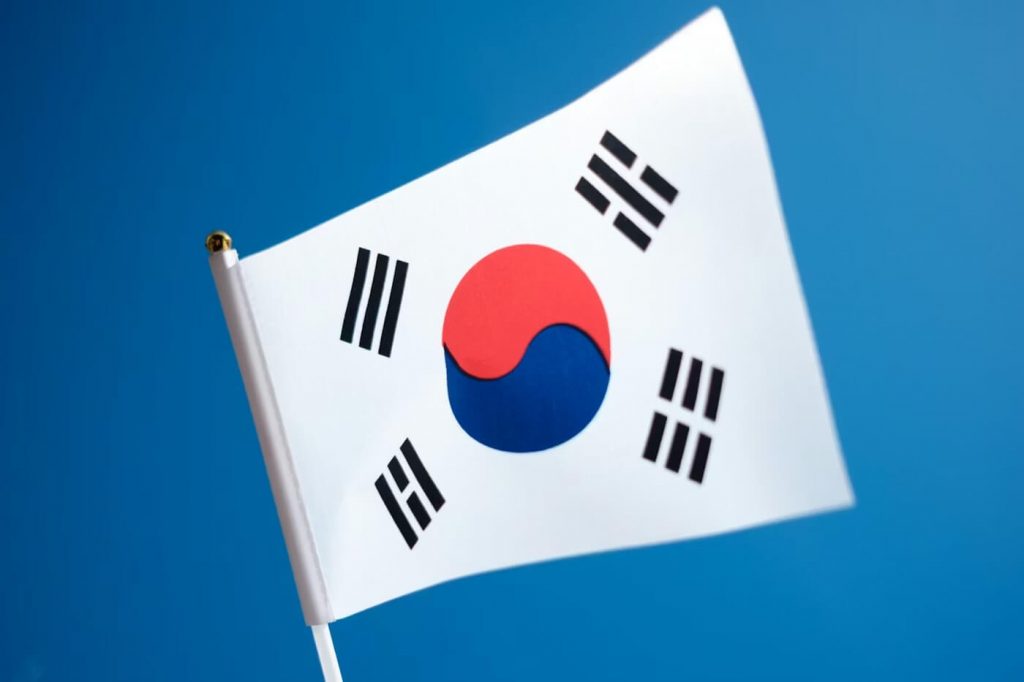
Many travelers can enter South Korea visa-free for short tourist stays, typically ranging from 30 to 90 days depending on nationality. As of 2026, the Korean Electronic Travel Authorization (K-ETA) requirement — previously mandatory for visa-free visitors — has been temporarily exempted for several countries, including the United States, United Kingdom, Australia, Japan, New Zealand, and Switzerland.
Eligible travelers from these countries can currently enter South Korea without applying for K-ETA before arrival. However, entry requirements can change, so visitors should always confirm the latest rules with official government sources before departure.
Arrival Immigration Card
Most travelers must complete a simple arrival card at the airport with basic information such as passport details and accommodation address.
Internet, SIM Cards & Connectivity
South Korea has some of the fastest internet speeds in the world. Free Wi-Fi is common in cafés, hotels, and subway stations, but having mobile data makes navigation much easier.
Purchase an South Korea E-SIM before arrival (most convenient) Rent a pocket Wi-Fi device at the airport Buy a local SIM card upon arrival
Essential Travel Apps for South Korea

KakaoTalk — Korea’s most popular messaging app
Naver Maps — Best navigation app (Google Maps has limited functionality)
Subway Korea apps — Helpful for route planning
➡ See my full guide: Top 16 Korean Travel Apps
Money & Payments in South Korea

The local currency is the South Korean Won (KRW). Credit and debit cards are widely accepted, even for small purchases, but carrying some cash is still useful for markets and smaller restaurants.
Quick tips:
Convenience stores and transit accept cards ATMs are easy to find in cities T-Money cards work for transport and small purchases
Electricity & Plug Type
South Korea uses 220V electricity with Type C and Type F plugs. Travelers from countries using different voltage systems should bring a universal travel adapter.
*As an Amazon, Agoda, Klook, and TravelGuide Associate, I earn from qualifying purchases.
Travel Insurance
Travel insurance is strongly recommended. Coverage can protect against medical emergencies, flight disruptions, or lost luggage during your trip.
Culture & Etiquette Basics
Understanding a few cultural norms goes a long way in South Korea.
Do:
- Bow slightly when greeting
- Use two hands when giving or receiving items
- Remove shoes before entering homes
Avoid:
- Speaking loudly on public transport
- Pointing with chopsticks
- Leaving chopsticks upright in rice
Respect for elders and politeness are deeply valued cultural traditions.
Language in South Korea
Korean is the official language. English signage is common in major cities and transportation systems, but communication can be more limited outside Seoul. Translation apps and navigation tools make traveling easy even without Korean language skills.
Safety & Healthcare
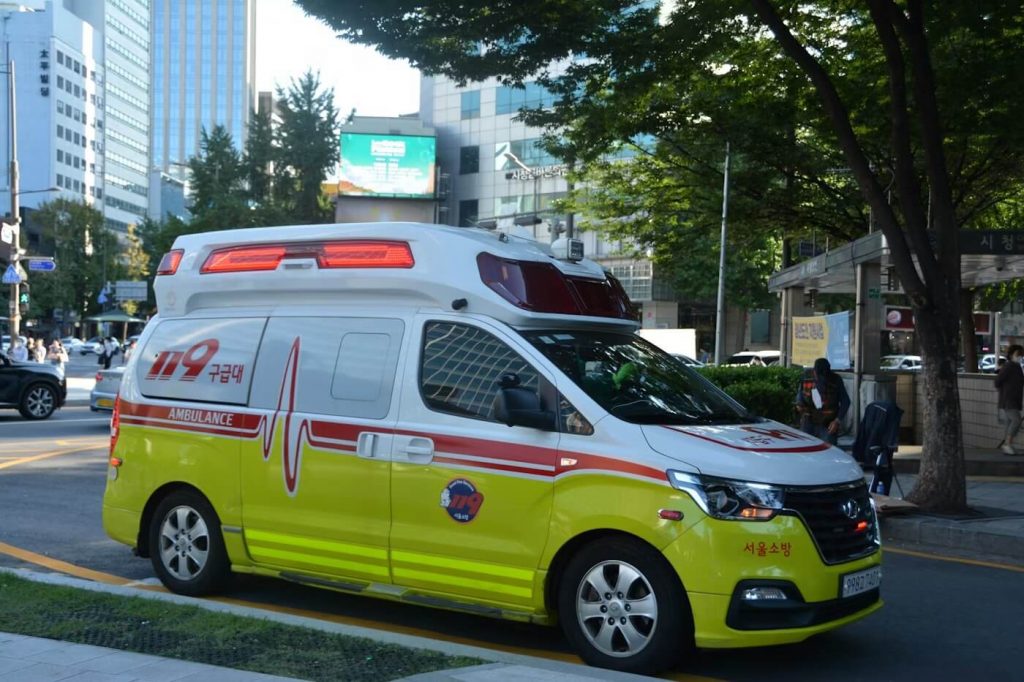
South Korea is consistently ranked among the safest countries for travelers, and its healthcare system is modern, efficient, and highly accessible. If you need medical care during your trip, hospitals and clinics in major cities such as Seoul and Busan provide fast service, advanced technology, and internationally trained doctors. Many large hospitals have dedicated international clinics where English-speaking staff assist foreign patients with registration, treatment, and payment.
South Korea is also a leading destination for medical tourism, particularly for dermatology, health screenings, and cosmetic procedures. Specialized medical centers offer streamlined services for international visitors, often including translation support and coordinated care. While treatment costs are generally lower than in many Western countries, travel insurance is still recommended to cover unexpected medical expenses.
How Many Days Do You Need in South Korea?
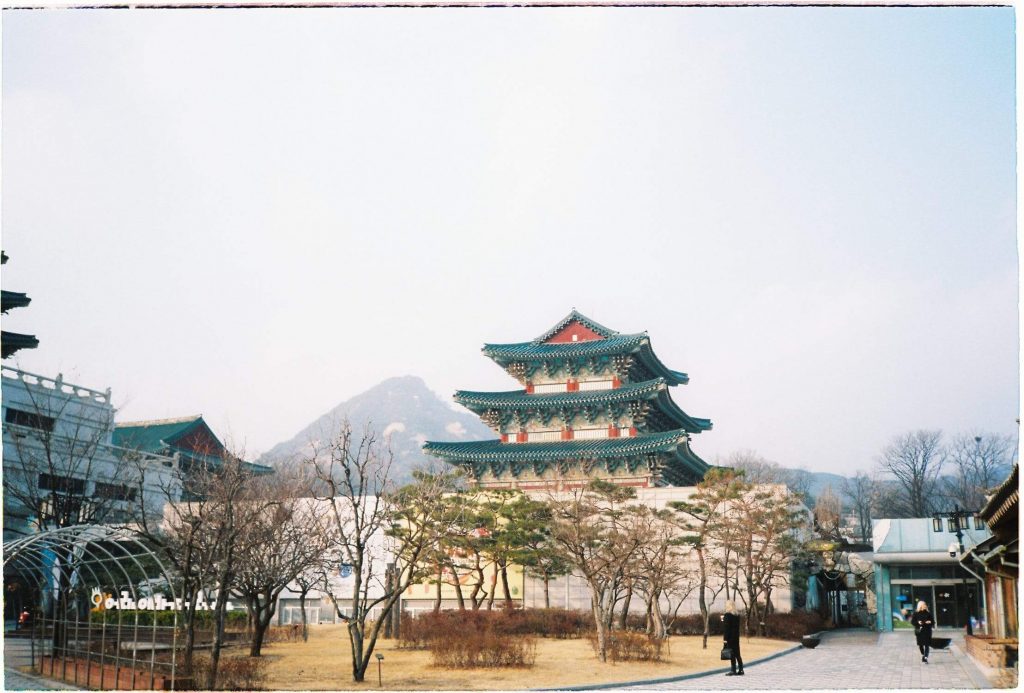
The ideal trip length depends on how deeply you want to explore beyond Seoul.
5 Days — Seoul Focus
Palaces, markets, food tours, and day trips nearby.
7 Days — Seoul + Busan
Combine city culture with beaches and coastal scenery.
10 Days — Classic South Korea Route
Seoul → Gyeongju → Busan → Jeju Island.
This timeline allows a balanced mix of culture, nature, and modern Korean experiences.
South Korea Travel Costs & Budget Guide
South Korea can suit a wide range of travel styles, from budget backpacking to affordable luxury.
| Meal | 26,000 ₩ | $18 |
| Beer | 5,000 ₩ | $3.42 |
| Bottle of Water | 1,000 ₩ | $0.68 |
| Apartment Rural | 789,716.00 ₩ | $550 |
| Apartment City Center | 2,627,322.11 ₩ | $1830 |
| Average Monthly Net Salary | 3,890,000 ₩ | $2,733 |
Budget Traveler — $60–90 USD/day
Hostels, street food, public transport, free attractions.
Midrange Traveler — $120–180 USD/day
Boutique hotels, restaurants, intercity trains, tours.
Affordable Luxury — $220–350 USD/day
Stylish hotels, Korean BBQ dining, guided experiences, domestic flights.
Costs vary depending on season and city, with Seoul typically the most expensive destination.
Popular Festivals in South Korea
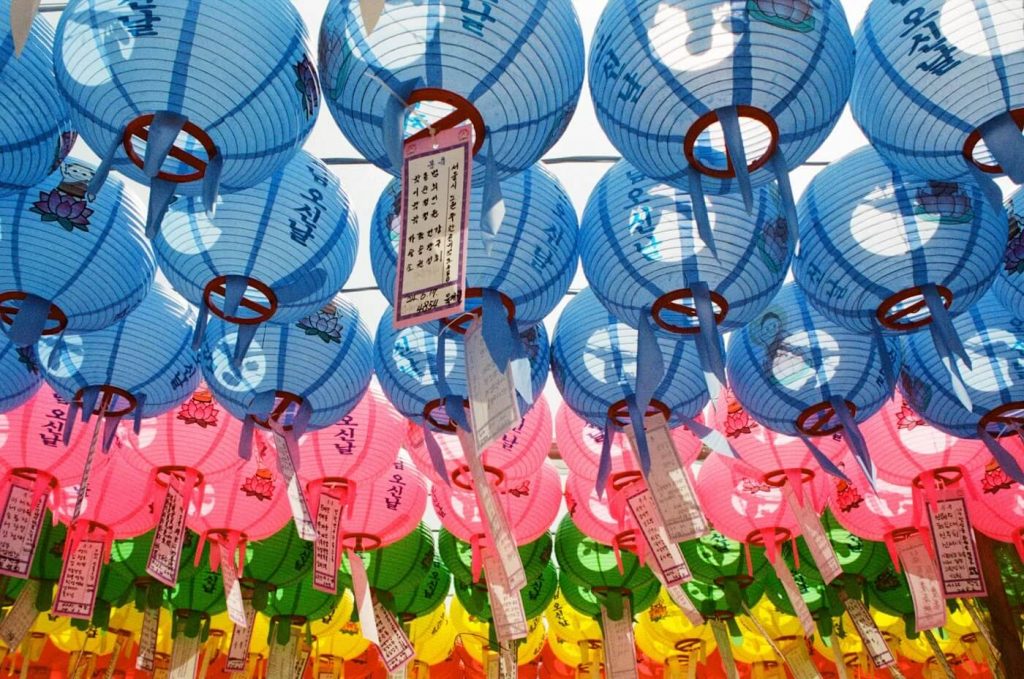
Festivals offer a fantastic way to experience Korean culture throughout the year.
Kimjang (Kimchi Making Festival) — Late autumn celebration of Korea’s culinary heritage recognized by UNESCO traditions.
Seoul Lantern Festival — November lantern displays along Cheonggyecheon Stream symbolizing light and renewal.
Grand Mint Festival — October outdoor music festival showcasing Korea’s modern music scene.
Busan Fireworks Festival — Spectacular coastal fireworks show held annually at Gwangalli Beach.
Jinju Namgang Yudeung Festival — Floating lantern festival held each October along the Nam River.
South Korea Travel Guide Conclusion
South Korea is an exciting and diverse destination where ancient traditions meet modern innovation, making it one of Asia’s most rewarding countries to explore. From cherry blossom season and scenic national parks to vibrant cities filled with K-pop culture, street food, and cutting-edge technology, there are endless things to do in South Korea for every type of traveler. Visitors can experience historic temples, unique cultural customs, world-class shopping, and some of the best cuisine in Asia while enjoying the country’s renowned safety and hospitality. Whether you are planning your first trip or returning to discover more, this South Korea travel guide highlights why more travelers continue to visit South Korea and fall in love with its energy, culture, and unforgettable experiences.
What are the top things to do in South Korea?
South Korea offers a wide range of top things to do, including exploring the bustling streets of Seoul, visiting historic palaces like Gyeongbokgung, hiking in the scenic Bukhansan National Park, and experiencing the vibrant street food culture in Myeongdong.
What are some popular activities to do in South Korea for nature enthusiasts?
Nature enthusiasts can enjoy popular activities in South Korea like hiking the Seoraksan Mountain, taking a stroll through the beautiful Nami Island, and exploring the serene Jeju Island with its stunning landscapes and beaches.
Is there a must-visit cultural attraction in South Korea?
Absolutely! The Bukchon Hanok Village in Seoul is a must-visit cultural attraction where you can experience traditional Korean architecture and culture. It’s one of the top things to do for cultural immersion.
What are the best options for foodies choosing What to Eat in South Korea?
Foodies will love South Korea! Don’t miss the chance to try popular activities like indulging in Korean BBQ, tasting Kimchi, enjoying a bowl of Bibimbap, and exploring the vibrant Gwangjang Market for a diverse culinary experience.
Are there family-friendly activities in South Korea?
Yes, South Korea has family-friendly activities like visiting Everland Theme Park, exploring Lotte World, and taking a cultural experience at the National Folk Museum. These are top things to do for families.
What’s the best time to visit South Korea for a well-rounded experience of its popular activities?
Spring (April to June) and Autumn (September to November) are the best times to visit South Korea. During these seasons, you can enjoy mild weather, beautiful cherry blossoms or colorful foliage, and engage in a wide range of popular activities.


