
Planning a trip to Okinawa, Japan? This beautiful subtropical island destination combines turquoise beaches, vibrant coral reefs, fascinating Ryukyu Kingdom history, and a distinctive food culture unlike anywhere else in Japan. In this updated Okinawa travel guide for 2026, you’ll discover the best things to do in Okinawa, from exploring Naha and visiting the historic Shuri Castle to snorkeling in the Blue Cave, relaxing on the Kerama Islands, and sampling local specialties like Okinawa soba and goya champuru. Whether you’re planning a five-day Okinawa itinerary, a tropical beach getaway, or a cultural escape beyond Tokyo and Kyoto, this guide covers the essential attractions, transportation options, accommodation tips, and practical advice to help you plan your trip.
Okinawa Travel Guide
Japan Entry Requirements for Okinawa
Before your trip, check the Japanese Ministry of Foreign Affairs visa information to confirm the rules for your passport. You can also use Visit Japan Web to prepare immigration and customs information online before arrival.
How to Get Around Okinawa
The best way to get around Okinawa depends on where you’re staying and which attractions you want to visit. Public transportation works well in Naha, but a rental car offers much more flexibility for exploring the beaches, scenic coastal roads, and attractions across Okinawa’s main island.
Rent a Car in Okinawa
Renting a car is one of the easiest ways to explore Okinawa beyond Naha. Many beaches, viewpoints, and attractions in the northern part of the island are spread out, and public transportation can be slow or infrequent in more remote areas.
A car is especially useful if you’re planning to visit Okinawa Churaumi Aquarium, Cape Manzamo, or the scenic Kouri Bridge. Book ahead during busy travel periods, and check Japan’s foreign-license and International Driving Permit requirements before your trip.
Use the Yui Rail Monorail in Naha
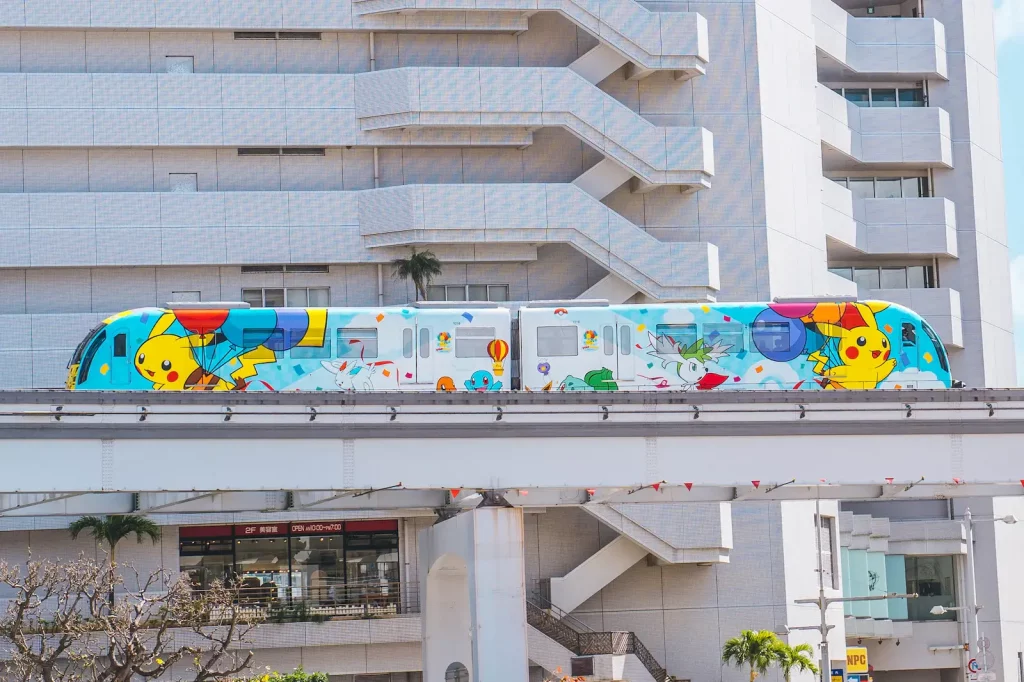
If you’re staying in Naha, you may not need a car. The Yui Rail monorail connects Naha Airport with central Naha and the Shuri area, making it convenient for visiting places such as Kokusai Street and Shuri Castle.
The monorail is a practical choice for city sightseeing, particularly if you want to avoid parking and traffic. You can combine it with walking and short taxi rides to reach nearby attractions.
Travel by Bus or Taxi
Buses connect Naha with many destinations around the main island, including resort areas and popular sightseeing spots. Airport limousine buses can also be convenient for reaching selected hotels and resorts without renting a car.
However, journey times can be long, and some attractions are difficult to reach by public transportation alone. Taxis are useful for shorter trips, but fares can add up if you’re traveling across the island.
If you don’t want to drive, consider joining a guided day tour from Naha to visit several major attractions in one trip.
Where to Stay in Okinawa: Best Areas
Choosing where to stay in Okinawa depends on whether you want city sightseeing, a relaxing beach vacation, or easy access to the island’s natural attractions. Okinawa’s main island stretches more than 100 kilometers from north to south, so your hotel location can make a big difference to driving times and your overall itinerary.
1. Naha: Best for First-Time Visitors
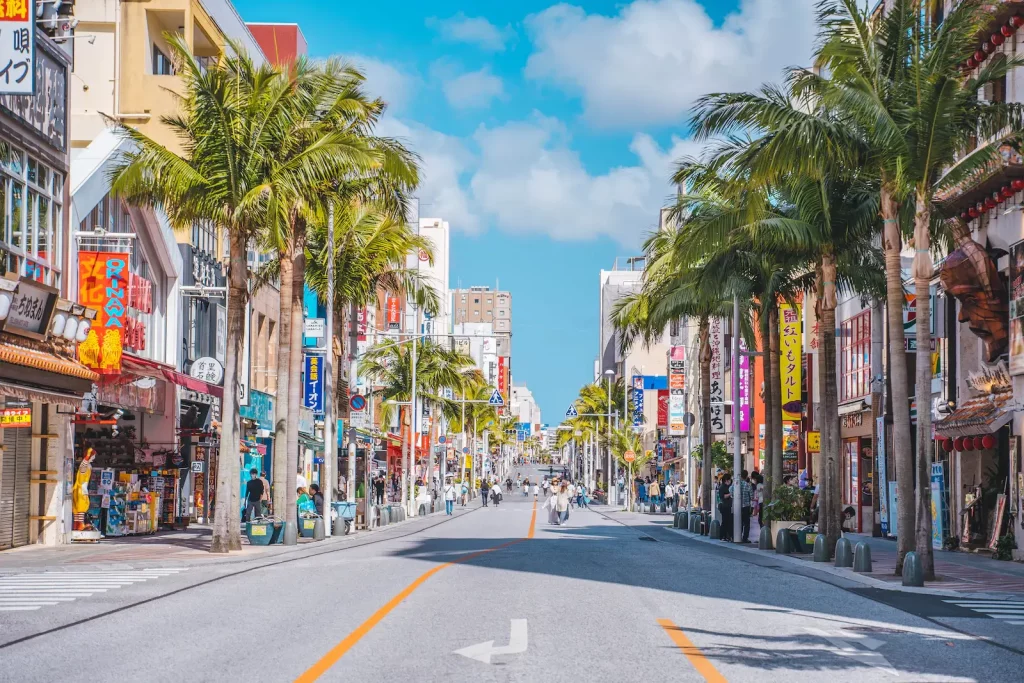
Naha is Okinawa’s capital and the most convenient base for travelers who want restaurants, shopping, nightlife, and easy airport access. The popular Kokusai Street area has plenty of hotels, restaurants, markets, and souvenir shops, while the Yui Rail monorail makes getting around parts of the city straightforward.
Naha is also a useful starting point for day trips and ferries to nearby islands. It’s a particularly good choice if you don’t plan to rent a car. Recommended hotel is Okinawa Hinode Hotel
Best for: First-time visitors, budget travelers, food lovers, and travelers relying on public transportation.
2. Chatan: Best for Shopping, Dining, and Sunsets
Chatan, on Okinawa’s central west coast, combines seaside scenery with restaurants, shopping, and entertainment. The popular American Village area features colorful buildings, cafés, shops, and waterfront dining, while nearby beaches provide opportunities to relax and enjoy sunset views.
Chatan offers a good middle ground between staying in the city and booking a full-scale beach resort. A rental car is helpful for exploring other parts of the island, although buses also serve the area. Recommended hotel is RIHGA Royal Resort Okinawa Chatan
Best for: Couples, families, shopping, casual nightlife, and travelers who want a lively coastal atmosphere.
3. Onna Village: Best for Beach Resorts
Onna Village is one of Okinawa’s main resort destinations, with beachfront hotels, swimming pools, ocean-view restaurants, and access to snorkeling and diving excursions. It’s an excellent choice if you want to spend more time enjoying the water and less time exploring the city.
The area also provides a convenient base for visiting attractions along the west coast, including Cape Manzamo and the Blue Cave area. Renting a car makes it easier to visit beaches and restaurants beyond your resort. Recommended hotel is Hyatt Regency Seragaki Island, Okinawa
Best for: Beach vacations, families, couples, snorkeling, diving, and resort stays.
4. Motobu: Best for Nature and Northern Okinawa
The Motobu Peninsula in northern Okinawa is a strong choice for travelers interested in nature, quieter beaches, and major attractions such as Okinawa Churaumi Aquarium. Nearby highlights include Emerald Beach, the traditional lanes of Bise Fukugi Tree Road, and the historic Nakijin Castle ruins.
Motobu is farther from Naha than the other areas in this guide, so consider spending a few nights here rather than making repeated long day trips from the capital. A rental car is especially useful for exploring the northern island. Recommended hotel is Ala Mahaina Condo Hotel
Best for: Nature lovers, families visiting the aquarium, road trips, and travelers seeking a quieter setting.
15 Best Things to Do in Okinawa, Japan
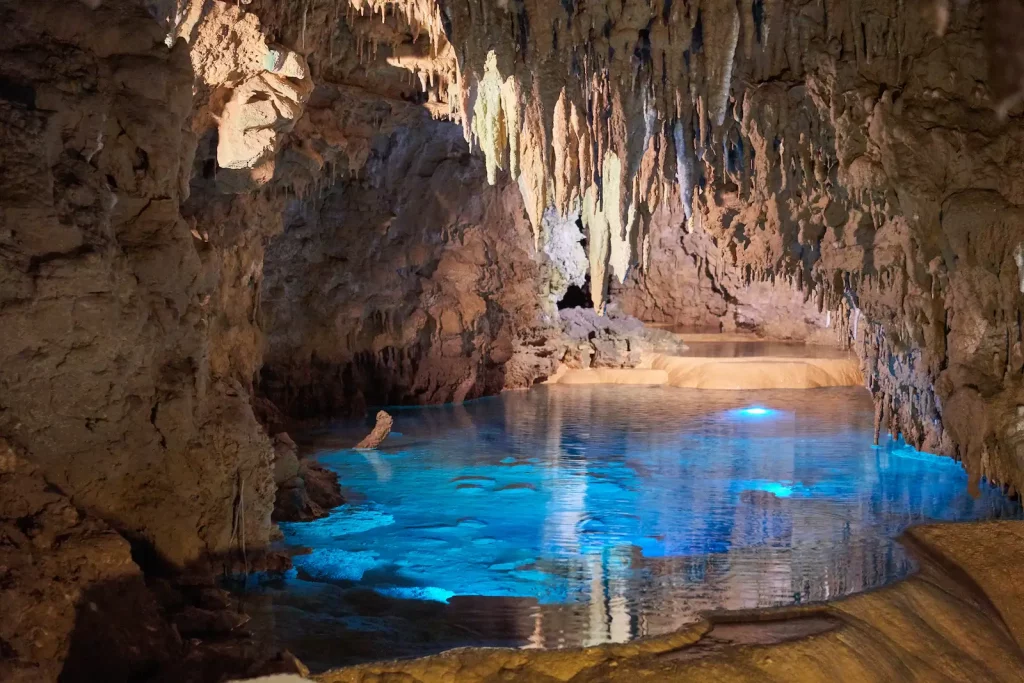
Okinawa offers a unique mix of tropical beaches, Ryukyu Kingdom history, local food, and island culture. From exploring Naha’s lively streets to snorkeling in clear blue water, there are plenty of things to do in Okinawa whether you’re visiting for a few days or planning a longer island getaway.
1. Explore Shuri Castle
Shuri Castle in Naha was the historic center of the Ryukyu Kingdom and one of Okinawa’s most important cultural landmarks. Although the castle was severely damaged by fire in 2019, restoration work has continued, making the site an opportunity to learn about Okinawa’s history and preservation efforts.
The main hall, known as the Seiden, is scheduled to reopen on November 23, 2026. Check the official website before visiting for the latest restoration progress, access arrangements, and opening information.
2. Walk Along Kokusai Street
Kokusai Street is one of Naha’s best-known shopping and dining areas. Browse souvenir stores, sample Okinawan snacks, visit local markets, and enjoy restaurants serving regional specialties. It’s an easy place to experience the island’s food culture and pick up gifts.
3. Visit Okinawa Churaumi Aquarium
Located in northern Okinawa, Okinawa Churaumi Aquarium is famous for its enormous Kuroshio Sea tank, where visitors can observe whale sharks and manta rays. The aquarium is part of Ocean Expo Park, so you can combine your visit with nearby gardens, coastal views, and Emerald Beach.
Allow several hours for the aquarium and surrounding park, especially if you’re traveling from Naha.
4. Relax at Emerald Beach
Emerald Beach is a scenic white-sand beach within Ocean Expo Park near Churaumi Aquarium. Its clear water and attractive coastal setting make it a convenient stop when exploring northern Okinawa.
Swimming access and facilities can vary by season and conditions, so check local notices before entering the water.
5. See the Views at Cape Manzamo
Cape Manzamo is a coastal viewpoint in Onna Village known for its distinctive, elephant-trunk-shaped rock formation and dramatic ocean scenery. It’s a popular place for photographs, especially when the sea is a vivid blue.
The visit is relatively short, making it easy to include on a west-coast road trip between resort areas and other attractions.
6. Snorkel at the Blue Cave
The Blue Cave, near Cape Maeda in Onna Village, is a popular snorkeling and diving spot. Sunlight entering the sea cave creates striking blue reflections, while the surrounding water offers a chance to see tropical marine life.
Conditions depend on weather and waves, and access may be restricted when the sea is rough. Consider a guided tour if you’re inexperienced in the water, and follow local safety instructions.
7. Explore American Village in Chatan
American Village is a lively waterfront entertainment and shopping district with colorful buildings, cafés, restaurants, shops, and sunset views. It’s a good place to spend an afternoon or evening, particularly if you enjoy casual dining and browsing stores.
The area has a distinctive international atmosphere and makes a convenient base for exploring central Okinawa.
8. Discover Okinawa’s Traditional Crafts at Ryukyu Mura
Ryukyu Mura is a cultural theme park where visitors can learn about traditional Okinawan architecture, crafts, music, and dance. It offers an accessible introduction to the Ryukyu Kingdom’s heritage and the cultural differences between Okinawa and mainland Japan.
Check the current program before visiting if you want to see a particular demonstration or performance.
9. Visit Nakijin Castle Ruins
The Nakijin Castle Ruins in northern Okinawa are remnants of a major castle from the Ryukyu Kingdom’s pre-unification period. Stone walls stretch across a hillside, offering views of the surrounding landscape and sea.
The site is especially known for cherry blossoms during the early part of the year, although exact flowering dates depend on weather conditions.
10. Walk Bise Fukugi Tree Road
Near Okinawa Churaumi Aquarium, Bise Fukugi Tree Road passes through a traditional village lined with mature fukugi trees. The shaded lanes offer a quieter contrast to Okinawa’s busier tourist areas and are ideal for a relaxed walk or bicycle ride.
Combine the visit with the aquarium and nearby Emerald Beach to make the most of your time in northern Okinawa.
11. Visit Okinawa World
Okinawa World is a cultural attraction in southern Okinawa featuring traditional crafts, performances, and Gyokusendo Cave, an extensive limestone cave system. It’s a useful option if you want to combine natural scenery with an introduction to Okinawan traditions.
Allow enough time to explore the cave and other attractions you want to see, and check the current schedule for performances and demonstrations.
12. Explore the Kerama Islands
The Kerama Islands, west of Okinawa’s main island, are known for clear water, coral reefs, snorkeling, and diving. Popular islands include Tokashiki and Zamami, which can be reached by ferry from Naha’s Tomari Port.
A day trip is possible, but an overnight stay gives you more time to enjoy the beaches. Ferry schedules and sea conditions can affect travel, so book ahead when possible.
13. Take a Day Trip to Ishigaki Island
Ishigaki is a separate island in Okinawa Prefecture, reached by flight rather than a quick drive from Okinawa’s main island. It’s known for beautiful beaches, snorkeling, diving, and access to other Yaeyama Islands.
One of its best-known sights is Kabira Bay, celebrated for its turquoise water and lush coastal scenery. Swimming is generally restricted in the bay itself, but glass-bottom boat trips offer a way to appreciate the marine environment.
Because Ishigaki is far from the main island, plan it as a separate part of your trip rather than a day trip from Naha.
14. Try Okinawa’s Local Food
Okinawan cuisine reflects the region’s distinct history and subtropical environment. Look for Okinawa soba, goya champuru, taco rice, and sata andagi, a traditional fried dough snack.
Local restaurants, markets, and small eateries are excellent places to try regional dishes. See the food section below for more specialties to add to your itinerary.
15. Enjoy Okinawa’s Beaches and Coastal Drives
Some of the best experiences in Okinawa are simply enjoying the coastline. Spend time at a local beach, stop at ocean viewpoints, or take a scenic drive along the west coast and across Kouri Bridge in the north.
Beach conditions, swimming seasons, and lifeguard availability vary by location. Check posted safety information and local weather forecasts before heading into the water.
Klook.comTraditional Okinawan Foods You Should Try
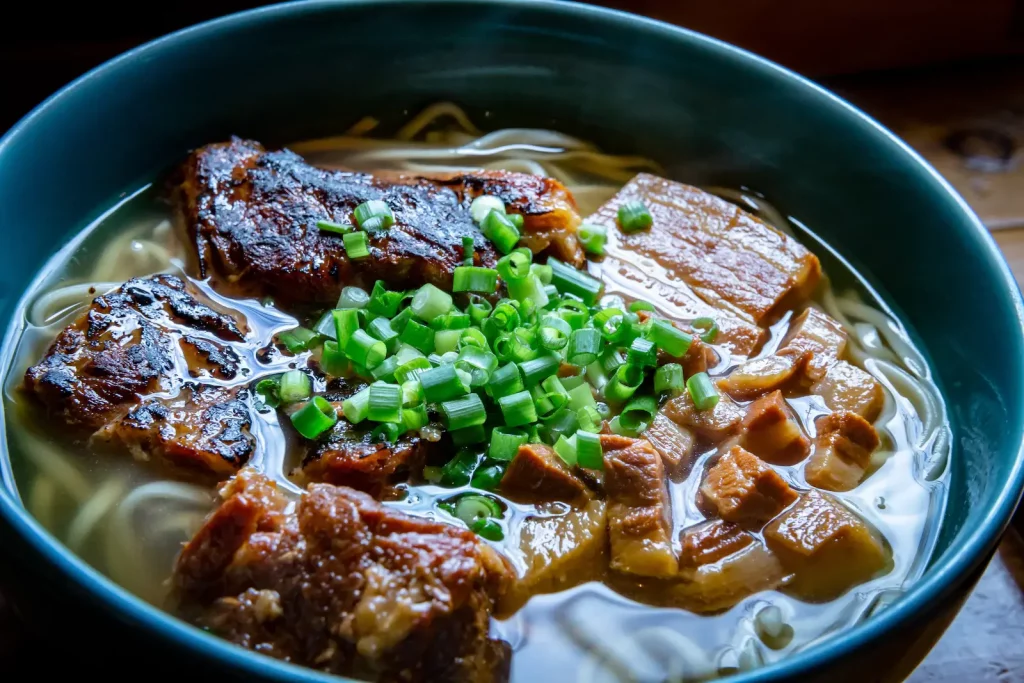
Okinawan food is different from the cuisine found in much of mainland Japan. Influenced by the former Ryukyu Kingdom, Chinese trade, and other Asian food traditions, Okinawa’s local cuisine features pork, tropical vegetables, tofu, noodles, and distinctive sweet treats.
1. Okinawa Soba
Okinawa soba is one of the island’s signature dishes. Unlike Japanese soba made from buckwheat, Okinawa soba typically uses wheat-based noodles served in a savory broth, often topped with slow-cooked pork, fish cake, and green onions.
2. Goya Champuru
Goya champuru is a classic Okinawan stir-fry made with bitter melon, tofu, egg, and often pork or Spam. The bitter melon gives the dish its distinctive taste, balanced by the other ingredients.
3. Rafute
Rafute is Okinawan braised pork belly cooked slowly until tender in a sweet-savory mixture that traditionally includes soy sauce, sugar, and awamori, Okinawa’s local distilled spirit.
4. Taco Rice
Taco rice combines seasoned taco-style meat, lettuce, tomato, cheese, and rice. It originated in Okinawa and reflects the island’s modern cultural connections with the United States.
5. Okinawan Sata Andagi
Sata andagi are traditional Okinawan deep-fried dough balls with a crisp exterior and a soft, cake-like center. They’re a popular snack and sweet treat, often sold at markets, bakeries, and souvenir shops.
6. Okinawan Pork Dishes
Pork plays an important role in Okinawan cuisine, appearing in dishes such as rafute, pork rib soup, and various noodle toppings. You’ll also encounter mimiga, a traditional dish made from thinly sliced pig’s ears.
7. Okinawan Tofu
Okinawa has several distinctive tofu preparations. Shima-dofu, or island tofu, is generally firmer than many varieties of mainland Japanese tofu and appears in stir-fries and other local dishes.
8. Umibudo (Sea Grapes)
Umibudo, commonly called sea grapes, are tiny green seaweed clusters that pop gently in your mouth. Usually served with a dipping sauce, they offer a fresh, lightly salty taste and are a popular Okinawan appetizer.
9. Okinawan Shikuwasa
Shikuwasa is a small citrus fruit native to the region, known for its tart, fragrant juice. It’s used in drinks, sauces, dressings, and marinades.
10. Okinawan Zenzai
Okinawan zenzai is a dessert made with sweet beans and shaved ice, often topped with chewy rice cakes. Unlike some mainland Japanese versions of zenzai, the Okinawan style is commonly served cold, making it especially refreshing in the subtropical climate.
The Perfect 5-Day Okinawa Itinerary
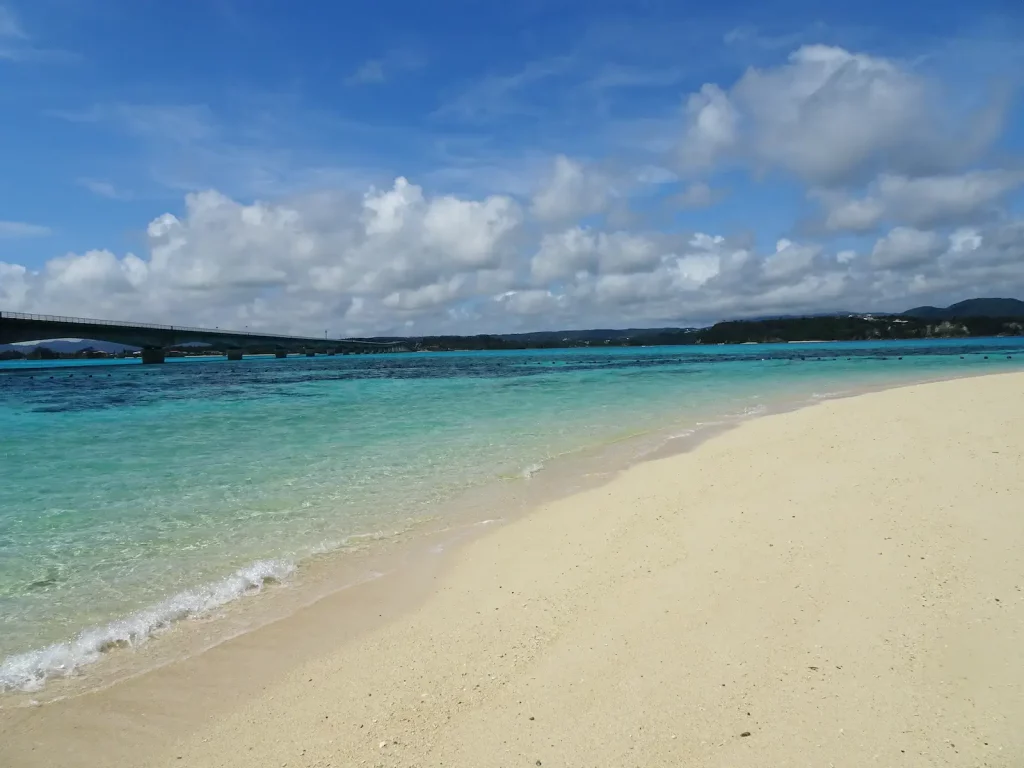
Five days in Okinawa is enough to experience the island’s history, beaches, local food, and natural scenery. For this itinerary, focus on Okinawa’s main island and organize each day by region. A rental car offers the most flexibility, although you can explore Naha and book guided excursions if you prefer not to drive.
Day 1: Explore Naha and Okinawa’s History
Start your Okinawa trip in Naha, the island’s capital.
- Morning: Visit Shuri Castle to learn about the Ryukyu Kingdom and Okinawa’s history. Check current restoration and visitor arrangements before going.
- Afternoon: Explore Kokusai Street, browse souvenir shops, and visit nearby markets.
- Evening: Enjoy a traditional Okinawan dinner featuring Okinawa soba, goya champuru, or rafute.
Travel tip: Naha is easy to explore using the Yui Rail monorail, walking, and short taxi rides.
Day 2: Discover Southern Okinawa
Spend the second day exploring the southern part of the main island.
- Morning: Visit Okinawa World to explore Gyokusendo Cave and discover traditional Okinawan crafts and culture.
- Afternoon: Visit the nearby coastal area or choose another southern attraction, depending on your interests.
- Evening: Return to Naha for dinner or relax at your hotel.
Travel tip: A rental car makes this route easier, but check attraction opening hours before setting out.
Day 3: Enjoy Central Okinawa and the West Coast
Head north along the central and western coast for ocean views, shopping, and seaside scenery.
- Morning: Visit Cape Manzamo for its distinctive rock formation and coastal viewpoints.
- Afternoon: Explore American Village in Chatan, with its cafés, shops, and waterfront atmosphere.
- Evening: Stay in Chatan or continue to a beach resort in Onna Village for sunset and dinner.
Travel tip: If snorkeling at the Blue Cave is a priority, book a suitable tour and check sea conditions. You may need to adjust the order of activities around the weather.
Day 4: Explore Northern Okinawa
Dedicate a full day to northern Okinawa, where you’ll find some of the island’s best-known attractions.
- Morning: Visit Okinawa Churaumi Aquarium and see its famous marine-life exhibits.
- Afternoon: Relax at Emerald Beach and walk along Bise Fukugi Tree Road.
- Optional stop: Visit Nakijin Castle Ruins if you have enough time and are interested in Ryukyu history.
- Evening: Stay in Motobu or return to your accommodation farther south.
Travel tip: Northern Okinawa is a considerable drive from Naha. Consider staying overnight in Motobu to avoid a rushed day.
Day 5: Spend a Day at the Beach
Use your final day to slow down and enjoy Okinawa’s subtropical scenery.
Choose the experience that best suits your travel style:
- Beach relaxation: Spend the day at a suitable beach near your hotel.
- Snorkeling or diving: Join a guided excursion if weather and sea conditions permit.
- Island escape: Take a ferry day trip to the Kerama Islands, checking schedules and return connections in advance.
- Local food and shopping: Return to Naha for markets, cafés, and any sights you missed.
If you’re planning to visit Ishigaki or Miyako, allow additional travel time. These are separate islands reached by flight from Okinawa’s main island, not convenient additions to this five-day driving itinerary.
Final Thoughts: Is Okinawa Worth Visiting?
Okinawa is one of Japan’s most distinctive destinations, combining tropical beaches, fascinating Ryukyu Kingdom history, excellent local food, and a relaxed island atmosphere. Whether you’re exploring Naha, visiting Okinawa Churaumi Aquarium, snorkeling along the coast, or enjoying a bowl of Okinawa soba, there’s plenty to discover beyond mainland Japan’s major cities.
How many days do you need in Okinawa?
Five days is a good amount of time to explore Okinawa’s main island, including Naha, the central west coast, and northern attractions. With three days, focus on Naha and a few nearby highlights. A week or longer allows more time for beaches, diving, and island excursions.
What is the best time to visit Okinawa?
Spring and autumn are popular times to visit because they can offer warm weather without the peak summer heat. Summer is attractive for swimming and beach activities but can be hot, humid, and busy. Okinawa also experiences a typhoon season, so check forecasts and travel arrangements before departure.
Is Okinawa expensive to visit?
Okinawa can suit different budgets. Business hotels, local eateries, buses, and carefully planned sightseeing can help keep costs down. Beach resorts, rental cars, guided water activities, and island-hopping flights can increase expenses. Accommodation prices also vary by season and location.
Do you need a rental car in Okinawa?
You don’t necessarily need a car if you’re staying in Naha and mainly visiting city attractions. However, a rental car makes it easier to explore northern Okinawa, reach beaches, and travel between attractions. If you don’t drive, consider guided day tours and check public transportation schedules in advance.
Can you visit Okinawa’s outer islands on a day trip?
Some nearby islands, including parts of the Kerama Islands, can be visited on a day trip from Naha by ferry. Ishigaki and Miyako are much farther away and generally require flights from the main island, so they’re better planned as separate stays or trips.
What is Okinawa’s weather like?
Okinawa enjoys a subtropical climate, with warm temperatures throughout the year. The best time to visit is during the spring and autumn months for pleasant weather.