
Fukuoka is one of Japan’s most underrated cities — blending incredible food, modern city life, historic temples, and a relaxed coastal atmosphere. Located on the island of Kyushu, Fukuoka is famous for its Hakata ramen, lively yatai street food stalls, shopping districts, and easy day trips to places like Dazaifu and Itoshima. In this updated Fukuoka Travel Guide for 2026, you’ll discover the best things to do in Fukuoka, where to eat, where to stay, how to get around, and essential travel tips to help you plan the perfect Japan itinerary.
Fukuoka Travel Guide
Why Visit Fukuoka
Fukuoka is one of the best cities to visit in Japan for travelers looking to experience amazing food, modern city life, and authentic local culture without the overwhelming crowds of Tokyo or Osaka. Located on the northern coast of Kyushu, Fukuoka offers a more relaxed atmosphere while still delivering excellent shopping, nightlife, temples, and day trips.
One of the biggest reasons to visit Fukuoka is the food scene. The city is famous for its rich Hakata ramen, open-air yatai food stalls, fresh seafood, and local specialties like motsunabe and mentaiko. Food lovers will quickly discover why Fukuoka is considered one of Japan’s top culinary destinations.
Fukuoka is also incredibly convenient for travelers. Fukuoka Airport is located just minutes from the city center, making it one of the easiest major cities to access in Japan. The city’s subway system is clean, efficient, and simple to navigate, even for first-time visitors.
Best Time to Visit Fukuoka
Spring (March–April)
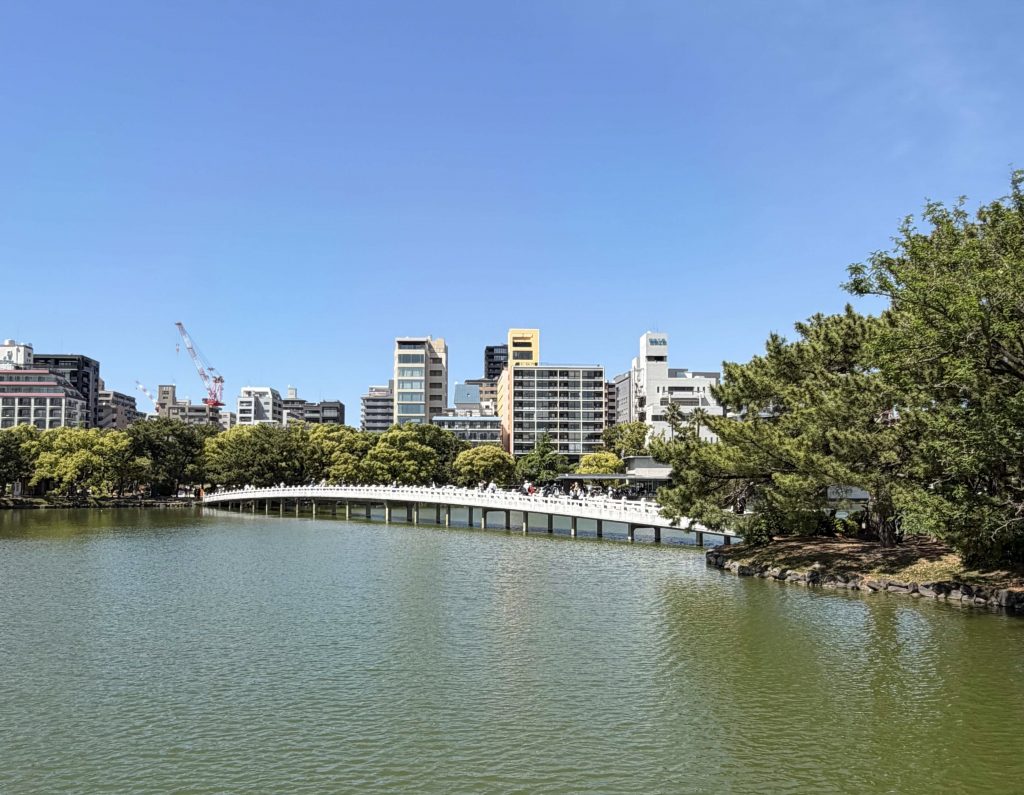
Spring is one of the most popular times to visit Fukuoka thanks to cherry blossom season and comfortable sightseeing weather. Parks like Ohori Park and Maizuru Park become beautiful sakura viewing spots throughout the city. Temperatures typically range from 12°C to 20°C (54°F to 68°F).
Summer (June–August)
Summer in Fukuoka brings lively festivals, fireworks, nightlife, and beach trips to nearby coastal areas. While the city feels energetic during this season, the weather can be hot and humid. Temperatures usually range from 26°C to 33°C (79°F to 91°F).
Autumn (October–November)
Autumn is considered one of the best times to visit Fukuoka, with cooler weather, lower humidity, and colorful fall foliage appearing across parks and temples. It’s an excellent season for sightseeing and food experiences. Temperatures range from 15°C to 24°C (59°F to 75°F).
Winter (December–February)
Winter in Fukuoka is quieter and less crowded compared to major tourist cities in Japan. It’s a great time to enjoy Hakata ramen, yatai food stalls, and seasonal illuminations around the city. Temperatures generally range from 5°C to 12°C (41°F to 54°F).
How Many Days in Fukuoka?
Most travelers should spend at least 3 to 5 days in Fukuoka to fully experience the city and nearby areas around Kyushu. While you can see many of the main attractions in 2–3 days, having extra time allows for day trips, local food experiences, and a more relaxed pace.
Klook.comHow To Get Around In Fukuoka
Subway: Fast and Easy for Tourists
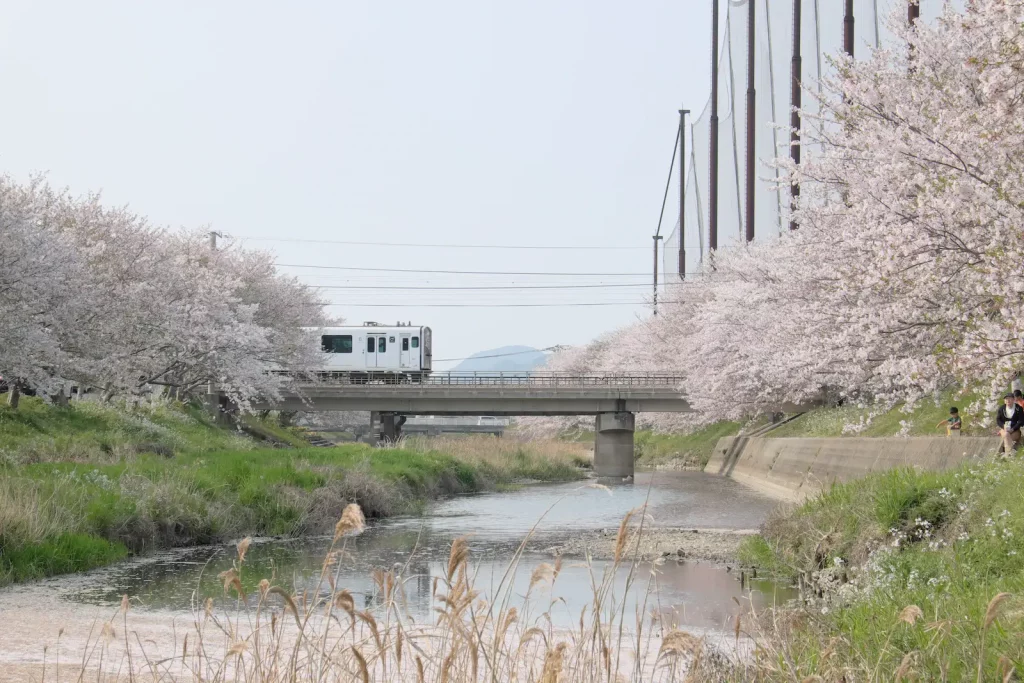
Fukuoka’s subway system is the easiest way to get around the city and connect major areas like Hakata, Tenjin, Ohori Park, and Fukuoka Airport. The system is clean, efficient, and tourist-friendly with English signage throughout the stations. Since the airport is located so close to downtown, you can reach Hakata Station in just a few minutes by subway. Travelers planning multiple rides can save money with a one-day subway pass.
Buses: Best for Local Neighborhoods
Fukuoka’s bus network covers areas not directly accessible by subway and is useful for reaching local neighborhoods, waterfront areas, and smaller attractions around the city. Nishitetsu buses are the main operator and are easy to use with IC cards like Suica, ICOCA, and Hayakaken.
Trains: Perfect for Day Trips Around Kyushu
Hakata Station is one of Japan’s major transportation hubs and connects Fukuoka to destinations across Kyushu and the rest of Japan. Shinkansen bullet trains make it easy to travel to cities like Hiroshima, Osaka, and Tokyo, while local JR trains are convenient for day trips to places like Dazaifu, Beppu, Yufuin, and Nagasaki.
Walking & Bicycle Rentals: Great for Exploring the City
Fukuoka is one of the most walkable cities in Japan, especially around Hakata, Tenjin, and Nakasu where many attractions, restaurants, and shopping areas are located close together. Walking is often the best way to explore the city’s food scene and discover smaller side streets and cafes.
Bicycle rentals have also become increasingly popular in Fukuoka, particularly around Ohori Park and the waterfront areas. Travelers can find shared bike services throughout the city using smartphone apps, though some services may require a Japanese phone number or app registration. Hotels and tourist information centers can sometimes help visitors with rentals that are easier for international tourists to use.
Where to Stay in Fukuoka

Hakata — Best for First-Time Visitors
Hakata is the most convenient area to stay in Fukuoka, especially for first-time visitors. With direct access to Hakata Station, the subway, and the Shinkansen, it’s the best base for exploring both the city and nearby destinations around Kyushu. The area is also packed with restaurants, shopping, and easy airport access.
Recommended Hotel: Miyako Hotel Hakata or APA Hotel Hakata Eki Chikushiguchi
Tenjin — Best for Shopping and Nightlife
Tenjin is Fukuoka’s main shopping and entertainment district, filled with department stores, cafes, nightlife, and local restaurants. It’s a great area for travelers wanting a more energetic atmosphere while still being centrally located.
Recommended Hotel: THE GATE HOTEL FUKUOKA by HULIC
Nakasu — Best for Food and Yatai Stalls
Nakasu sits between Hakata and Tenjin and is famous for its nightlife and riverside yatai food stalls. Staying here puts you within walking distance of Fukuoka’s best late-night dining and entertainment areas.
Recommended Hotel: Mitsui Garden Hotel Fukuoka Nakasu
Best Cultural Attractions
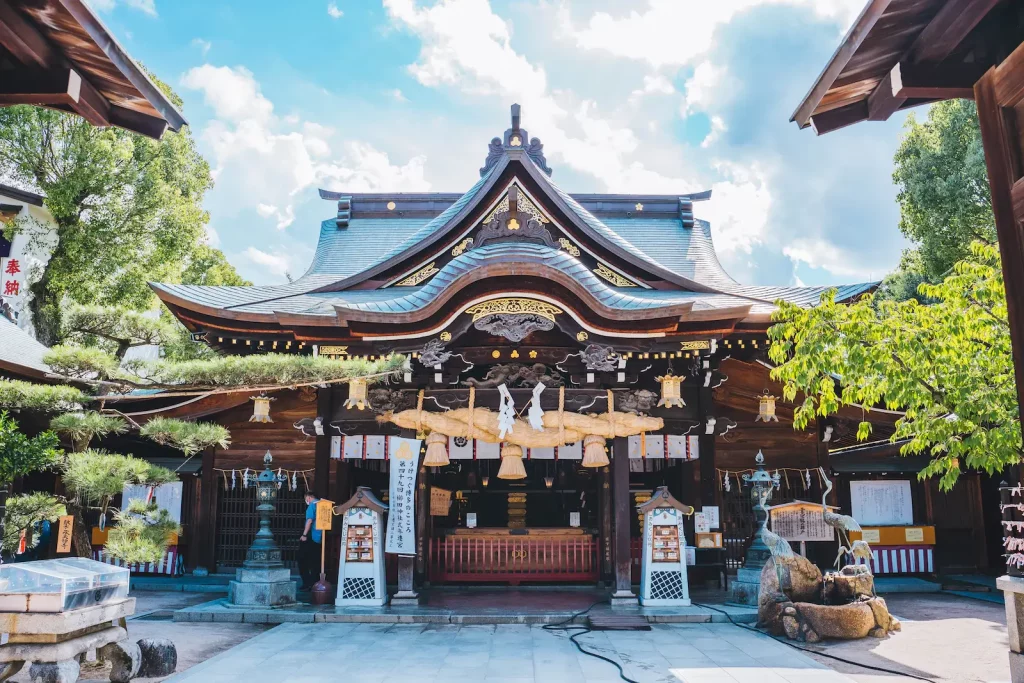
- Dazaifu Tenmangu – One of Kyushu’s most famous shrines, known for its beautiful traditional architecture, seasonal gardens, and connection to Japan’s god of learning.
- Kushida Shrine – A historic shrine located in the heart of Hakata and best known as the home of the famous Hakata Gion Yamakasa Festival.
- Tochoji Temple – A peaceful Buddhist temple featuring one of Japan’s largest wooden Buddha statues and a beautiful five-story pagoda.
- Hakata Old Town – A charming historic district filled with temples, shrines, traditional streets, and local shops that showcase Fukuoka’s cultural heritage.
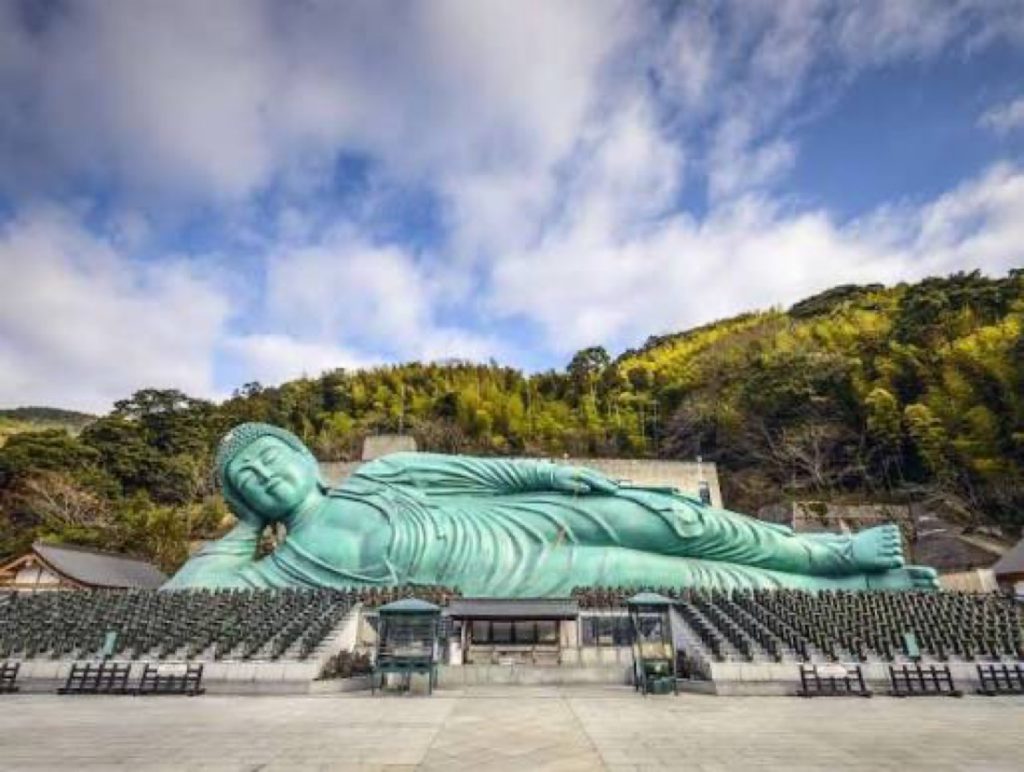
- Nanzoin Temple – Famous for its massive reclining Buddha statue, this temple offers a quieter and more scenic cultural experience just outside central Fukuoka.
Best Shopping Areas
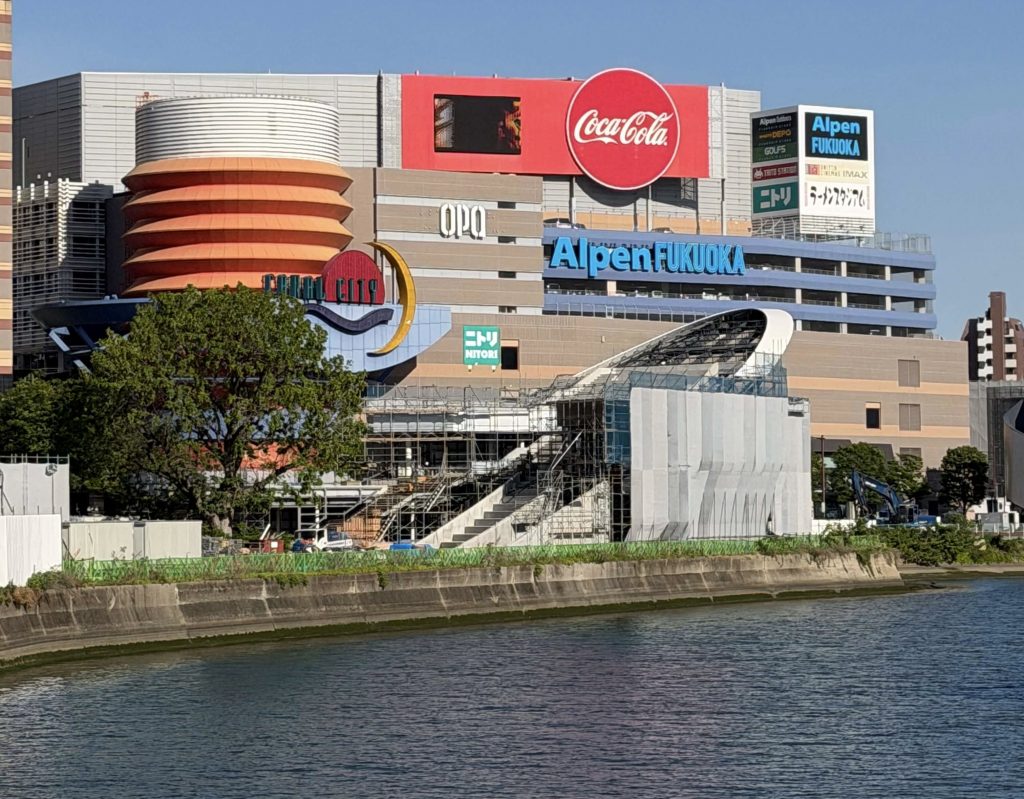
- Canal City Hakata – One of Fukuoka’s most popular shopping complexes featuring hundreds of stores, restaurants, entertainment, and a large indoor canal running through the center.
- Tenjin Underground Mall – A massive underground shopping area filled with fashion boutiques, cafes, cosmetics, and local brands connected directly to Tenjin Station.
- Daimyo district – A trendy neighborhood known for its stylish boutiques, vintage shops, cafes, and independent fashion stores popular with younger locals.
- Marinoa City Fukuoka – A waterfront outlet mall offering discounted international and Japanese brands with views overlooking Hakata Bay.
Best Nature & Scenic Spots
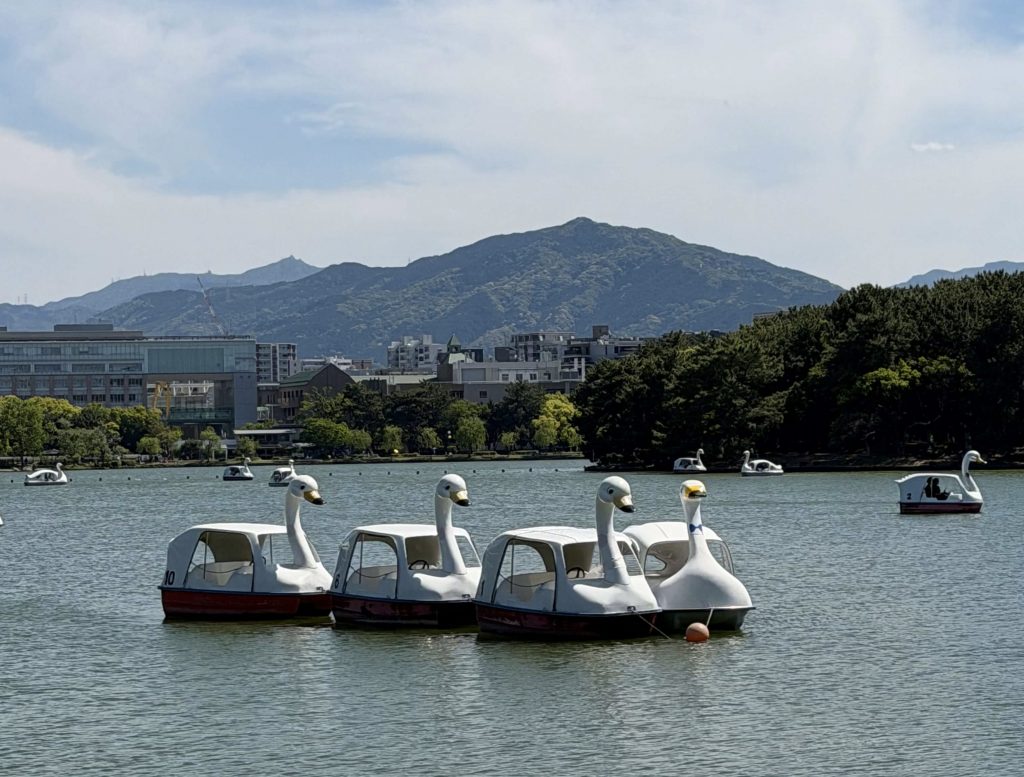
- Ohori Park – One of Fukuoka’s most relaxing green spaces featuring a large central lake, walking paths, traditional gardens, and seasonal cherry blossoms.
- Fukuoka Tower – The tallest seaside tower in Japan offering panoramic views of the city skyline, Hakata Bay, and the surrounding coastline.
- Momochi Seaside Park – A popular waterfront area with beaches, cafes, walking paths, and sunset views just minutes from downtown Fukuoka.
- Uminonakamichi Seaside Park – A massive coastal park known for flower gardens, cycling paths, open green spaces, and family-friendly outdoor activities.
- Nokonoshima Island – A small island getaway located just outside the city featuring scenic flower fields, hiking trails, and beautiful ocean views.
- Itoshima – A popular coastal destination near Fukuoka known for beaches, oceanfront cafes, scenic drives, and a more laid-back atmosphere perfect for day trips.
Best Day Trips from Fukuoka
- Dazaifu – One of the easiest and most popular day trips from Fukuoka, Dazaifu is known for its historic temples, traditional streets, and the famous Dazaifu Tenmangu Shrine.
- Itoshima – A scenic coastal area popular for beaches, oceanfront cafes, hiking spots, and relaxed countryside views just outside the city.
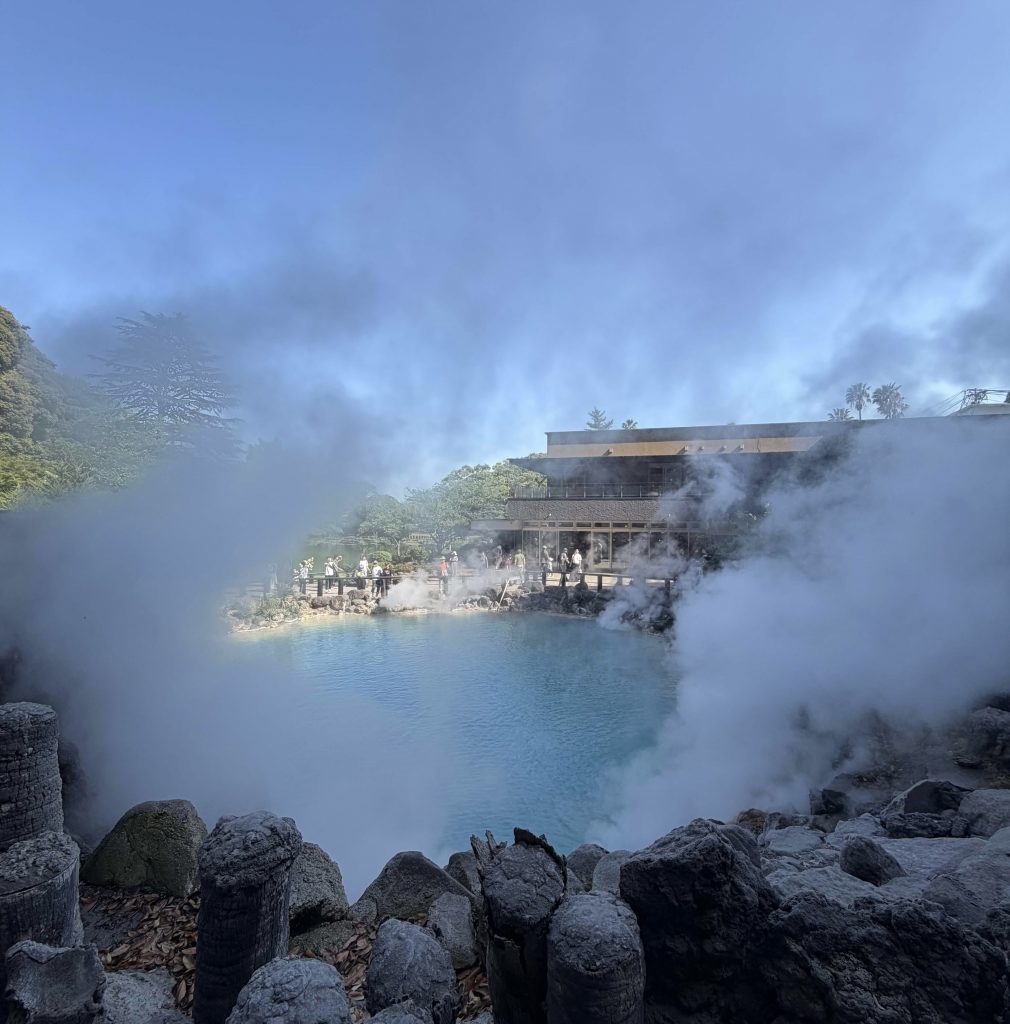
- Beppu – Famous for its hot springs and steam-filled landscapes, Beppu is one of Japan’s best onsen destinations and a great escape from the city.
- Yufuin – A charming hot spring town surrounded by mountains, known for boutique shops, quiet streets, art museums, and relaxing ryokan stays.
- Nagasaki – A historic port city with international influences, beautiful waterfront views, and important historical sites connected to World War II.
- Kumamoto – Best known for Kumamoto Castle, this city offers a mix of history, local food, and easy access to natural areas around central Kyushu.
Must-Try Food in Fukuoka
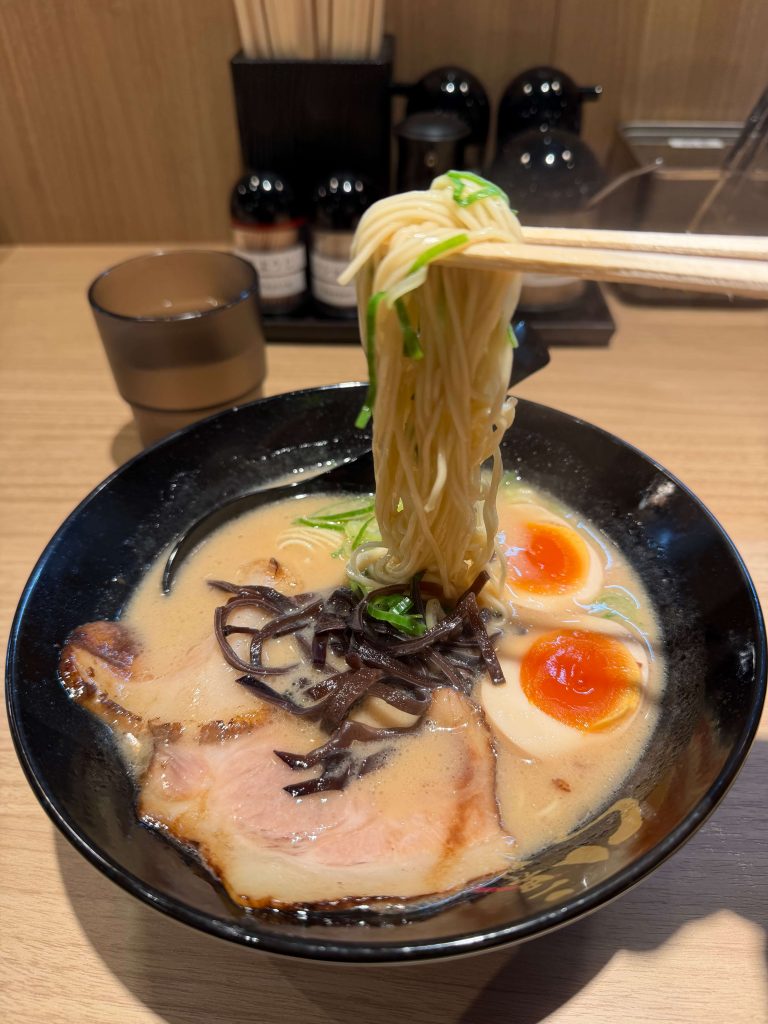
Hakata Ramen: Fukuoka is most famous for Hakata-style tonkotsu ramen, made with a rich pork bone broth, thin noodles, and flavorful toppings like chashu pork and green onions.
Motsunabe: A local hot pot dish made with beef or pork offal cooked alongside vegetables in a savory broth, especially popular during the colder months.
Mentaiko: Spicy marinated cod roe is one of Fukuoka’s signature specialties and is commonly served with rice, pasta, or inside omelets and sandwiches.
Yatai Street Food: Fukuoka’s famous open-air food stalls serve everything from ramen and yakitori to seafood and local comfort food, creating one of the city’s best nighttime dining experiences.
Yakitori: Grilled chicken skewers and other grilled meats are a huge part of Fukuoka’s local izakaya culture and pair perfectly with beer or sake.
Fresh Seafood: Thanks to its coastal location, Fukuoka is known for fresh sushi, sashimi, oysters, and seasonal seafood found at local markets and restaurants throughout the city.
3-Day Fukuoka Itinerary
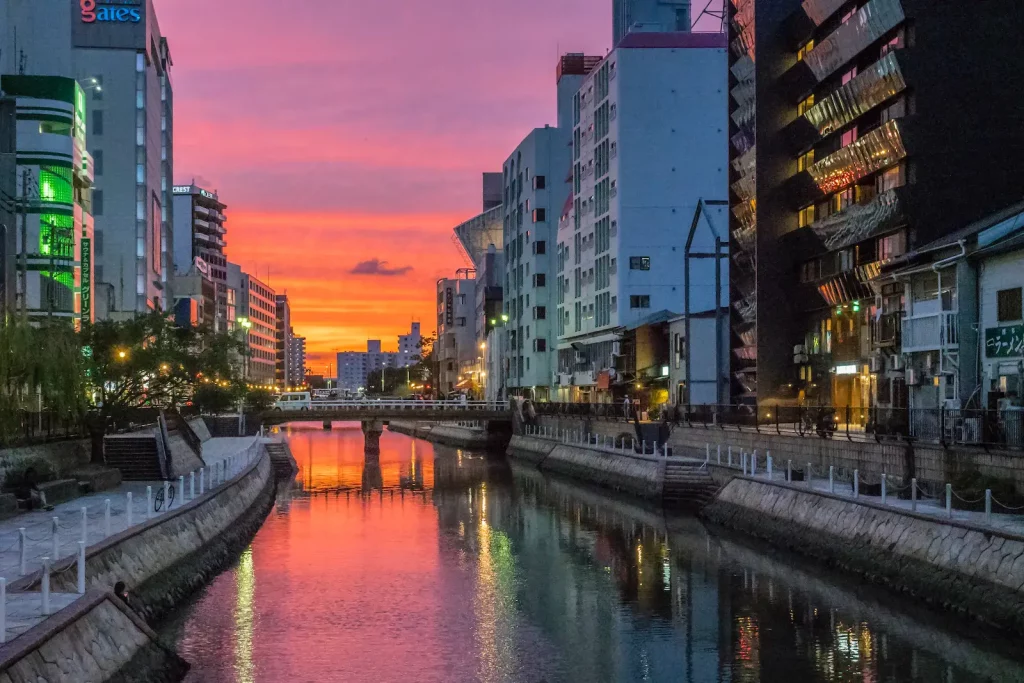
Day 1: Explore Hakata & Nakasu
Start your trip by exploring Hakata Station, Canal City Hakata, and nearby temples like Kushida Shrine and Tochoji Temple. In the evening, head to Nakasu for Fukuoka’s famous yatai food stalls and try local specialties like Hakata ramen and yakitori.
Day 2: Parks, Shopping & City Views
Spend the morning walking around Ohori Park and visiting Fukuoka Castle ruins before heading to Momochi Seaside Park and Fukuoka Tower for waterfront views. Finish the day shopping and dining in Tenjin and the trendy Daimyo district.
Day 3: Take a Day Trip from Fukuoka
Use your final day to explore nearby destinations around Kyushu. Dazaifu is perfect for temples and traditional culture, while Itoshima offers beaches and scenic coastal cafes. Travelers wanting a hot spring experience can also visit Beppu or Yufuin.
Should You Visit Fukuoka
Fukuoka is one of Japan’s most underrated destinations, offering a perfect mix of incredible food, modern city life, cultural attractions, and easy access to the rest of Kyushu. Whether you’re exploring historic temples, trying Hakata ramen at local yatai stalls, shopping in Tenjin, or taking day trips across southern Japan, Fukuoka delivers a more relaxed and authentic experience compared to Japan’s larger tourist cities.
What is the best time to visit Fukuoka?
The best time to visit Fukuoka is during the spring (March to May) and autumn (September to November) when the weather is pleasant and the cherry blossoms or fall foliage are in full bloom.
How can I get around Fukuoka?
Fukuoka has an extensive public transportation network, including buses and the Fukuoka City Subway, making it easy to navigate the city.
What’s the specialty dish of Fukuoka?
Hakata ramen, a rich and flavorful noodle dish, is a specialty of Fukuoka that you must try during your visit.
Are there any day trip options from Fukuoka?
Yes, you can take day trips to Dazaifu, Yanagawa, and Karatsu to explore nearby attractions and experiences.
Does Fukuoka have any nightlife?
Yes, Fukuoka has a vibrant nightlife scene with various bars, clubs, and entertainment options. The city’s Nakasu district is particularly famous for its bustling nightlife, offering a wide range of dining, drinking, and entertainment establishments.