
Tokyo is a fascinating city where ancient temples, bustling shopping districts, neon-lit streets, and incredible Japanese food come together. Whether you’re exploring the historic streets of Asakusa, visiting the famous Shibuya Crossing, or sampling sushi and ramen at local restaurants, Japan’s capital offers something for every type of traveler. In this Tokyo travel guide, I’ll cover the best things to do in Tokyo, top attractions, where to eat, and practical travel tips to help you plan your trip and make the most of your time in one of the world’s most exciting cities.
Tokyo Travel Guide
Visit Japan Web: Get Your QR Code Before Arrival
Before traveling to Japan, consider registering through Visit Japan Web, the Japanese government’s free online service for completing immigration and customs procedures. After entering your travel and passport details and completing the required forms, you can generate a QR code to present at the airport.
Internet and SIM Cards in Japan
Having mobile internet in Japan makes it much easier to navigate Tokyo, check train routes, translate menus, and find restaurants. You can choose between a travel eSIM, a physical SIM card, or a pocket Wi-Fi device.
- eSIM: A convenient option if your phone supports eSIM technology. You can arrange your data plan before departure and connect without swapping physical SIM cards. We recommend Sakura E-SIM
- Physical SIM card: A good alternative if your phone doesn’t support eSIM. Make sure your phone is unlocked and compatible with the network.
- Pocket Wi-Fi: Useful for couples, families, or groups sharing multiple devices, although you’ll need to carry and recharge the device.
Read my full guide to Japanese SIM Card Options and check out [Sakura eSIM] for another connectivity option.
Electrical Outlets: Do You Need a Travel Adapter?
Japan uses 100-volt electricity and primarily Type A outlets, which have two flat parallel pins. If you’re traveling from the United States or Canada with a standard two-prong Type A plug, you may not need a travel adapter. Travelers using plugs from the UK, Europe, Australia, or many other regions will generally need one.
*As an Amazon, Agoda, Klook, and TravelGuide Associate, I earn from qualifying purchases.
How to Get from Tokyo Airports to the City

Tokyo has two main international airports: Narita International Airport (NRT) and Haneda Airport (HND). The best way to reach your hotel depends on which airport you arrive at, where you’re staying, your budget, and how much luggage you’re carrying. Before booking transportation, check your hotel’s nearest station and compare the available routes.
Narita International Airport (NRT):
- Narita Express (N’EX): This JR East train provides direct service to major stations, including Tokyo, Shinagawa, Shibuya, and Shinjuku. It’s a comfortable option if you’re staying near one of these stations. The journey to Tokyo Station takes approximately an hour, depending on the service.
- Keisei Skyliner: One of the fastest ways to reach the Ueno area, the Skyliner connects Narita Airport with Nippori and Keisei-Ueno in approximately 40–45 minutes. From there, you can transfer to other Tokyo train lines.
- Airport Shuttle Bus: Airport Limousine Bus and other airport bus services connect Narita with Tokyo Station, Shinjuku, Shibuya, hotels, and other destinations. These can be convenient if you have bulky luggage or want to avoid train transfers. Check the destination, schedule, and ticket availability before boarding.
- Local Trains: If you’re trying to save money, regular train services can cost less than the express trains, although journeys may take longer and involve transfers. Check your route carefully before departing.
Haneda Airport (HND):
- Tokyo Monorail: The monorail connects Haneda Airport with Hamamatsucho Station, where you can transfer to the JR Yamanote Line and other services. It’s a convenient option for reaching central Tokyo and offers views along the way.
- Keikyu Line: The Keikyu railway connects Haneda with Shinagawa and other destinations. Some services continue onto subway lines, making it possible to reach areas such as Asakusa without changing trains, depending on the service.
- Airport Limousine Bus: Airport buses connect Haneda with major hotels, railway stations, and popular districts around Tokyo. This can be a good choice if you want to avoid navigating train stations with heavy luggage. Travel times vary with traffic.
Tokyo Travel Tips:
•   Suica or Pasmo Card: These rechargeable cards make paying for most trains, subways, and buses much easier. Simply tap your card at the ticket gates or card reader. You can also use compatible mobile IC cards on supported smartphones.
•   JR Pass: If you’re planning to explore other parts of Japan, consider the Japan Rail Pass, which offers unlimited travel on JR trains, including the Narita Express.
How To Get Around In Tokyo:
Tokyo has one of the world’s most extensive public transportation networks, making it relatively easy to explore without renting a car. Trains and subways are usually the most convenient ways to travel between major attractions, while buses and taxis can be useful for shorter trips or destinations farther from a station. Here’s how to get around Tokyo efficiently and avoid spending more than necessary on transportation.
- Tokyo Metro and Toei Subway: Tokyo’s subway network is one of the easiest ways to reach popular attractions, shopping districts, and neighborhoods. It is operated by two main companies: Tokyo Metro and Toei Subway. Their lines connect across much of the city, with color-coded routes and multilingual station signs to help visitors navigate.
- JR Lines: Japan Railways (JR) operates several important lines within Tokyo. One of the most useful for visitors is the JR Yamanote Line, which loops around central Tokyo and stops at major stations such as Shinjuku, Shibuya, Tokyo, Ueno, and Shinagawa. The Yamanote Line is particularly handy for visiting several popular districts, although it isn’t always the fastest route. Depending on your destination, a subway or another JR line may be more direct.
- Buses: Tokyo’s local buses can be useful for reaching places that aren’t close to a train or subway station. They may also offer a more relaxed way to see parts of the city above ground, although they are generally slower than trains and can be affected by traffic. If you’re traveling between Tokyo and other cities in Japan, websites such as WILLER and Japan Bus Online can help you find and book highway buses.
- Taxis: Taxis in Tokyo are clean, convenient, and generally reliable, but they cost considerably more than public transportation. They’re worth considering when you’re carrying heavy luggage, traveling in a group, heading somewhere difficult to reach by train, or returning to your hotel after the last train.
Best Places To Visit In Tokyo

Tokyo is a huge city made up of distinct neighborhoods, each offering a different experience. From the bright lights and shopping streets of Shibuya to the traditional temples of Asakusa and the quieter backstreets of Yanaka, there’s much more to explore than the famous landmarks. Here are 15 of the best places to visit in Tokyo, whether you’re interested in Japanese culture, food, shopping, nightlife, or discovering a different side of the city.
- Shibuya:
Shibuya is one of Tokyo’s best-known districts, famous for the busy Shibuya Scramble Crossing, fashion stores, restaurants, and nightlife. Walk along Center Gai to experience the area’s youthful energy, browse the shops, or visit Shibuya Sky for panoramic views of the city.
Read my full Shibuya Travel Guide. - Shinjuku:
Shinjuku combines skyscrapers and busy shopping streets with gardens and some of Tokyo’s most famous nightlife. Visit Shinjuku Gyoen National Garden for a peaceful break, explore the restaurants and entertainment around Kabukicho, or head to the Tokyo Metropolitan Government Building for free views of the city when the observation decks are open.
Read my full Shinjuku Travel Guide. - Asakusa:
Asakusa is one of the best places to experience Tokyo’s traditional side. Its main attraction is Senso-ji, a historic Buddhist temple approached through the lively Nakamise shopping street, where you’ll find souvenirs and Japanese snacks. Afterwards, stroll toward the Sumida River for views of the Tokyo Skytree. - Akihabara:
Akihabara is a must-visit for fans of anime, manga, gaming, and Japanese electronics. Its streets are lined with specialist shops, arcades, collectible stores, and themed cafés. Even if you’re not a dedicated anime fan, it’s an entertaining place to explore and see a different side of Tokyo’s pop culture. - Harajuku:
Harajuku is known for its bold street fashion, trendy boutiques, and youthful atmosphere. Takeshita Street is the main draw for fashion, sweets, and quirky shops, while nearby Meiji Jingu Shrine offers a peaceful escape surrounded by trees. You can also walk into Omotesando for architecture, designer stores, and stylish cafés. - Roppongi:
Roppongi is a mix of contemporary art, upscale shopping, restaurants, and nightlife. Explore the Roppongi Hills area and its cultural attractions, or visit nearby Azabudai Hills, home to teamLab Borderless digital art museum. If you’re heading out at night, be cautious of street touts offering drinks or entry to bars and clubs; stick to reputable venues and confirm prices before entering.
Read my full Roppongi Travel Guide. - Yanaka:
Yanaka offers a slower-paced look at Tokyo, with traditional streets, small local shops, and a neighborhood atmosphere that feels different from the city’s busier commercial districts. Browse Yanaka Ginza shopping street, stop at a small café, or take a quiet walk around Yanaka Cemetery. It’s a great area for travelers who want to explore beyond the major tourist hubs. - Ginza:
Ginza is known for luxury shopping, elegant department stores, fine dining, and polished city streets. You’ll find international designer brands alongside Japanese retailers, galleries, and restaurants. Even if luxury shopping isn’t in your budget, it’s worth exploring the area for its architecture and window-shopping. On weekends, parts of the main shopping street may be closed to vehicle traffic during designated hours. - Ebisu:
Ebisu has a more relaxed, sophisticated feel, with stylish restaurants, cafés, bars, and shops. Yebisu Garden Place is a good starting point for dining and strolling, and YEBISU BREWERY TOKYO offers an opportunity to learn about the beer brand’s history and brewing. It’s a pleasant neighborhood for an evening meal away from some of Tokyo’s busiest tourist areas. - Odaiba:
Odaiba is a waterfront entertainment district known for shopping complexes, modern architecture, open spaces, and views across Tokyo Bay. Visit Odaiba Seaside Park for waterfront scenery, explore the area’s shopping and entertainment facilities, or enjoy the views of the Rainbow Bridge. - Ueno:
Ueno is a great choice for museums, parks, and local shopping. Ueno Park is home to several major cultural institutions, while Ameya-Yokocho market is known for its busy lanes of shops, food stalls, and casual restaurants. During cherry blossom season, the park is especially popular, so expect larger crowds. - Kagurazaka:
Kagurazaka combines narrow streets, traditional Japanese touches, and a lively café and restaurant scene. The neighborhood has a distinctive mix of Japanese and French influences, with small shops and restaurants tucked away along its side streets. It’s a rewarding place to wander without a strict itinerary, particularly if you enjoy finding places away from the main tourist routes. - Daikanyama:
Daikanyama is a stylish neighborhood known for independent boutiques, design-focused shops, cafés, and relaxed streets. It’s a good place to slow down after exploring Tokyo’s busier districts. Bookstores, creative spaces, and coffee shops make it especially appealing to travelers who enjoy design, fashion, and a more laid-back atmosphere. - Meguro:
Meguro is best known among visitors for the Meguro River, which becomes a popular cherry blossom viewing spot in spring. The surrounding area also has cafés, restaurants, and small shops worth exploring. If you’re interested in something unusual, the Meguro Parasitological Museum offers a distinctive look at parasites and related research. - Koenji:
Koenji has a creative, alternative atmosphere, with vintage clothing stores, record shops, live music venues, and independent cafés. It’s a good neighborhood for secondhand shopping and discovering Tokyo’s local music and subculture scenes. Compared with the city’s major shopping districts, Koenji can feel more relaxed and less polished—in a way many visitors find appealing.
Where To Stay In Tokyo

Choosing the right neighborhood can make a big difference to your Tokyo trip. The city is enormous, but its excellent public transportation makes it easy to explore from a convenient base. For first-time visitors, Shinjuku and Shibuya are popular choices, while Asakusa can offer a more traditional atmosphere and Ginza is ideal for upscale shopping and dining. Here are seven neighborhoods to consider when choosing where to stay in Tokyo.
1. Shinjuku: Best for First-Time Visitors and Nightlife
Shinjuku is a convenient base for exploring Tokyo, with major train connections, department stores, restaurants, and nightlife. It’s a good choice if you want plenty of dining options and easy access to other parts of the city. Accommodation ranges from hostels and business hotels to luxury properties such as Park Hyatt Tokyo, which reopened in December 2025 following an extensive renovation.
2. Shibuya: Best for Shopping and a Trendy Atmosphere
Shibuya is famous for its iconic crossing, fashion stores, restaurants, and energetic nightlife. It’s a good fit for travelers who want to be close to shopping and entertainment, although hotels in the most central locations can be expensive. Options include upscale properties such as Cerulean Tower Tokyu Hotel, alongside smaller hotels and budget accommodation in the surrounding area.
3. Asakusa: Best for Traditional Tokyo and Value
Asakusa is a great option if you’d like to stay near Senso-ji Temple, traditional shopping streets, and local restaurants. The neighborhood often has a quieter atmosphere than Shinjuku or Shibuya, particularly in the evening. You’ll find modern hotels, guesthouses, and some traditional Japanese-style accommodation. It’s worth comparing prices here if you want to keep your hotel budget under control.
4. Ginza: Best for Luxury Shopping and Dining
Ginza is known for designer boutiques, elegant department stores, restaurants, and polished streets. It’s an excellent base for travelers who prioritize upscale shopping and dining, with convenient access to several subway lines. Luxury options include The Peninsula Tokyo, while other hotels in the area provide different price points. Expect to pay a premium for some of the most central properties.
5. Roppongi: Best for Art, Dining, and Nightlife
Roppongi combines museums, contemporary architecture, restaurants, and nightlife. It’s worth considering if visiting art museums or enjoying evening drinks is high on your itinerary. The area has luxury hotels such as Grand Hyatt Tokyo, along with business hotels and other accommodation nearby. Compare the exact location of a hotel with the stations and attractions you plan to visit.
6. Ueno: Best for Museums and Transport Connections
Ueno is a practical choice for travelers interested in museums, parks, markets, and convenient rail connections. Ueno Park is home to major cultural attractions, while Ameya-Yokocho offers a lively mix of shops and casual places to eat. The neighborhood has a range of hotels and can be a useful base for travelers who want to balance sightseeing with their accommodation budget.
7. Odaiba: Best for Waterfront Views and Family Attractions
Odaiba offers waterfront scenery, modern shopping complexes, and entertainment attractions across Tokyo Bay. Hotels such as Hilton Tokyo Odaiba are worth considering if you want bay views or plan to spend time in this part of the city. However, Odaiba is less central than Shinjuku or Tokyo Station, so check your transport connections before booking if you’ll be sightseeing across the city every day.
Tokyo Tourist Attractions: 10 Best Sights to See

Tokyo offers a remarkable mix of historic temples, modern landmarks, lively shopping districts, and family-friendly attractions. If you’re visiting for the first time, these 10 sights are a great starting point. You won’t need to visit everything in one trip, so choose the attractions that match your interests and group them by area to spend less time traveling across the city.
1. Tokyo Skytree: See the City from Above
Tokyo Skytree is one of the city’s most recognizable landmarks, with observation decks offering sweeping views across the Tokyo skyline. On clear days, you may even spot Mount Fuji. Book tickets in advance if you want to visit at a particularly popular time, and consider combining the visit with nearby Asakusa.
2. Senso-ji Temple: Explore Historic Tokyo
Located in Asakusa, Senso-ji is one of Tokyo’s most famous temples. Enter through Kaminarimon, the iconic Thunder Gate, and walk along Nakamise Street, where shops sell traditional snacks and souvenirs. Visit early if you’d prefer a quieter experience before the busiest crowds arrive.
3. Shibuya Crossing: Experience Tokyo’s Energy
Shibuya Crossing is a classic Tokyo experience, with crowds crossing from every direction when the traffic lights change. Walk across it yourself, then view the scene from a nearby building or observation deck. Shibuya is also a good area for shopping, dining, and exploring Tokyo’s modern urban culture.
4. Akihabara: Discover Anime, Gaming, and Electronics
Akihabara is a must for visitors interested in anime, manga, gaming, collectibles, and electronics. Browse multi-story shops, explore arcades, and look for specialist stores selling merchandise you may not find elsewhere. Even a short visit offers a glimpse into one of Tokyo’s most distinctive pop-culture districts.
5. Meiji Jingu Shrine and Yoyogi Park: Find a Green Escape
Meiji Jingu is a Shinto shrine surrounded by a large wooded area near Harajuku. It’s a peaceful contrast to the busy streets nearby. You can combine a visit with Yoyogi Park, particularly if you want a walk outdoors or plan to explore Harajuku and Omotesando on the same day.
6. The Imperial Palace: See an Important Historic Site
The Imperial Palace is the primary residence of Japan’s emperor. Although much of the inner palace grounds are not freely accessible, visitors can explore designated public areas and the East Gardens when open. Check official opening information before your visit, and allow time to walk around the surrounding gardens and moats.
7. Tsukiji Outer Market: Sample Japanese Food
Tsukiji Outer Market is a popular place to explore Japanese food, with seafood, sushi, kitchenware, snacks, and small restaurants. It’s especially appealing to food lovers who want to sample several dishes while walking around the market. Arrive earlier in the day for more choice, and check individual businesses’ hours before visiting.
8. Odaiba and teamLab Borderless: Explore Modern Tokyo
Odaiba is known for its waterfront views, shopping, entertainment, and views of Rainbow Bridge. For immersive digital art, however, visit teamLab Borderless at Azabudai Hills, not Odaiba. The museum is a separate destination, so plan transport and tickets accordingly.
9. Tokyo Disneyland and Tokyo DisneySea: Spend a Day at Disney
Tokyo Disneyland and Tokyo DisneySea are separate theme parks at Tokyo Disney Resort, located in Urayasu outside central Tokyo. Both offer themed attractions and entertainment, while DisneySea is known for its distinctive nautical-inspired environments. Set aside a full day for either park, and check ticket prices, operating hours, and attraction information before visiting.
10. Ueno Park: Combine Culture and Nature
Ueno Park is a good choice for visitors who enjoy museums, cultural attractions, and green spaces. The park is home to institutions including the Tokyo National Museum, as well as Ueno Zoo. During cherry blossom season, it becomes especially popular, so visit early if you want to avoid the largest crowds.
Klook.comJapanese Food to Try in Tokyo

Tokyo is one of the world’s great food cities, with everything from inexpensive noodle shops to high-end sushi counters. You don’t need to spend a fortune to eat well: casual restaurants, food halls, markets, and neighborhood eateries offer plenty of opportunities to try Japanese specialties. Here are some dishes to look for during your trip.
Check out my Top Japanese Dishes To Eat.
- Sushi
Sushi combines vinegared rice with seafood or other ingredients. Tokyo has options for nearly every budget, from conveyor-belt sushi restaurants to traditional counters where chefs prepare each piece to order. If you’re watching your spending, casual sushi chains can be a good way to sample different varieties. - Ramen
Ramen is a comforting bowl of noodles served in a flavorful broth, usually topped with ingredients such as sliced pork, egg, seaweed, or green onions. Popular styles include rich tonkotsu, soy-based shoyu, and miso ramen. It’s an easy meal to find throughout Tokyo, including around major train stations. - Tempura
Tempura features seafood or vegetables lightly coated in batter and fried until crisp. You can find it in specialist restaurants, as part of set meals, or served over rice as tendon. It’s a great choice if you want something satisfying without committing to a long, formal meal. - Sashimi
Sashimi consists of thin slices of raw fish or seafood served without the vinegared rice used in sushi. It’s often accompanied by soy sauce, wasabi, and other garnishes. Choose a reputable restaurant and ask about ingredients if you have dietary restrictions. - Izakaya Food
Izakayas are casual Japanese pubs where people share small dishes alongside drinks. Menus often include yakitori grilled skewers, gyoza dumplings, edamame, fried chicken, and other snacks. They’re a fun way to try several dishes, but check menu prices and any seating or service charges before ordering. - Kaiseki
Kaiseki is a traditional multi-course Japanese dining experience that emphasizes seasonal ingredients, careful presentation, and balance. It can be expensive, especially at high-end restaurants, but it’s worth considering if you’re looking for a special meal during your trip. - Japanese Street Food: Takoyaki and Okonomiyaki
Takoyaki are small batter balls typically filled with octopus, while okonomiyaki is a savory pancake made with ingredients such as cabbage and various toppings. Both are popular casual foods, although you’ll find regional variations across Japan. Look for them at food markets and specialist restaurants. - Teishoku: Japanese Set Meals
Teishoku is a set meal that typically includes a main dish, rice, miso soup, and side dishes such as pickles or vegetables. It’s a convenient option for a balanced lunch or dinner, often at a predictable price. Look for teishoku menus at casual restaurants and Japanese dining chains.
Tokyo Travel Tips:

Tokyo is exciting and relatively easy to explore once you understand the basics. These tips can help you save time, avoid common mistakes, and get more out of your visit.
- Use Public Transportation
Trains and subways are usually the easiest ways to travel around Tokyo. A Suica or PASMO IC card makes paying for most rides convenient. If you’re planning several subway journeys in a short period, compare your expected fares with the Tokyo Subway Ticket, which offers 24-, 48-, and 72-hour options for Tokyo Metro and Toei Subway lines. It doesn’t cover JR trains, so check which services you’ll actually use. - Choose an Internet Option Before You Arrive
Mobile internet is useful for maps, train directions, translation, and restaurant searches. An eSIM is convenient if your phone supports it, while a physical SIM or pocket Wi-Fi may suit other travelers. Compare prices, data limits, and device compatibility before choosing. - Carry Some Japanese Yen
While credit cards are accepted in major establishments, having cash (yen) is essential for smaller shops, street markets, and local eateries. ATMs are available at convenience stores and post offices, so my Tokyo travel tips would be to get a Debit Card that has No ATM fees. - Learn a Few Japanese Phrases
You can get around many tourist areas with maps and translation apps, but a few simple phrases make interactions easier. Try sumimasen (excuse me), arigatou gozaimasu (thank you), and onegaishimasu (please). Be polite, follow local signs, and observe what people do in places such as temples, restaurants, and train stations. - Explore Beyond the Famous Districts
Shibuya and Shinjuku are exciting, but Tokyo has plenty of quieter neighborhoods worth exploring. Visit Asakusa for traditional sights, Yanaka for small shops and old-fashioned streets, or Koenji for vintage stores and independent music venues. Exploring one or two neighborhoods at a time can make your itinerary more enjoyable. - Try Local Restaurants and Prepared Meals
Tokyo offers excellent food at a wide range of prices. Look beyond the most famous restaurants and try ramen shops, teishoku set meals, neighborhood izakayas, and food halls. Supermarkets and convenience stores are also useful for quick meals and snacks. Some stores discount prepared foods later in the day, but the timing and availability vary by location. - Visit Popular Attractions Early
Arriving early can help you enjoy major attractions before the busiest periods. This is particularly useful for Senso-ji, Tsukiji Outer Market, and popular photo spots. Check opening hours and ticket requirements beforehand; some attractions require advance reservations or have limited entry slots. - Plan Around the Seasons
Spring cherry blossoms and autumn foliage are popular times to visit Tokyo, but both can bring large crowds and higher accommodation prices. Summer is hot and humid, while winter is generally cooler and can offer clear views on suitable days. Choose your travel dates based on your interests, comfort, and budget. - Consider a Ryokan Stay
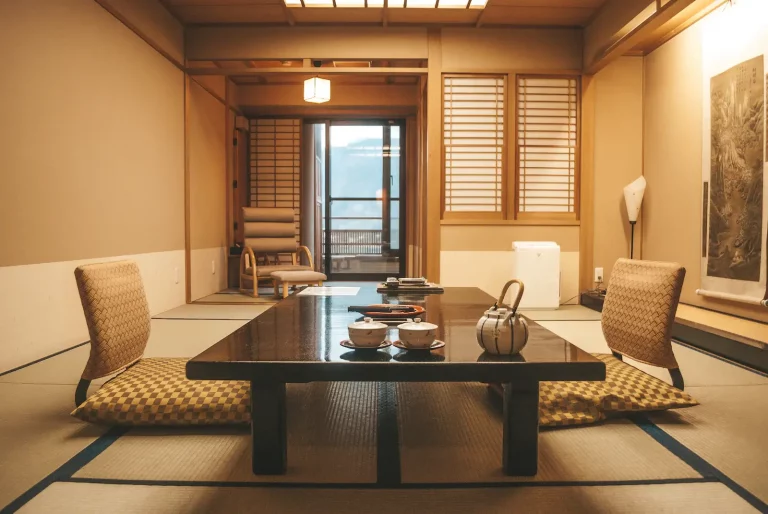
For a traditional Japanese accommodation experience, consider booking a ryokan. Many feature tatami flooring, futon bedding, and Japanese-style meals, although amenities differ between properties. Some have onsen baths, but not every ryokan does. If this experience interests you, check the room style, bathing facilities, meal arrangements, and house rules before booking.
Free Walking Tours
Tokyo Travel: Final Thoughts
Tokyo is a city where historic temples, modern architecture, exciting shopping districts, and incredible food all come together. Whether you’re visiting famous sights such as Senso-ji and Shibuya Crossing, discovering quieter neighborhoods, or sampling your way through Japanese cuisine, there’s plenty to experience. Plan your days around nearby attractions, choose accommodation with convenient transport connections, and leave some room for spontaneous discoveries. With a little preparation, you can enjoy Tokyo at your own pace and make the most of your time in Japan’s capital.
What’s the best time to visit Tokyo?
Spring (March to May) and autumn (September to November) offer pleasant weather and stunning foliage.
Can I experience traditional tea ceremonies in Tokyo?
Absolutely. Venues like Happo-en Garden and Tokyo Camii & Turkish Culture Center offer authentic tea ceremonies.
Are there any worthwhile day trips from Tokyo?
Certainly. Nikko, Kamakura, and Hakone are popular day-trip options, offering temples, hot springs, and breathtaking scenery.
How long does it take to travel from Narita Airport to Tokyo?
The Narita Express takes approximately 60-80 minutes to reach Tokyo stations, while the Keisei Skyliner takes around 40 minutes to Ueno.
Is it difficult to navigate Tokyo’s public transportation system?
Tokyo’s transportation system is known for its efficiency and signage in English. At first, you may be overwhelmed, but will find it relatively easy to navigate after a few attempts. Finding the train station exit is the difficult part.
Are taxis a viable option from the airport to Tokyo?
Taxis are available, but they tend to be more expensive compared to train and bus options. They can be convenient if you have substantial luggage or are traveling in a group.