...
Tag

Money

Browsing

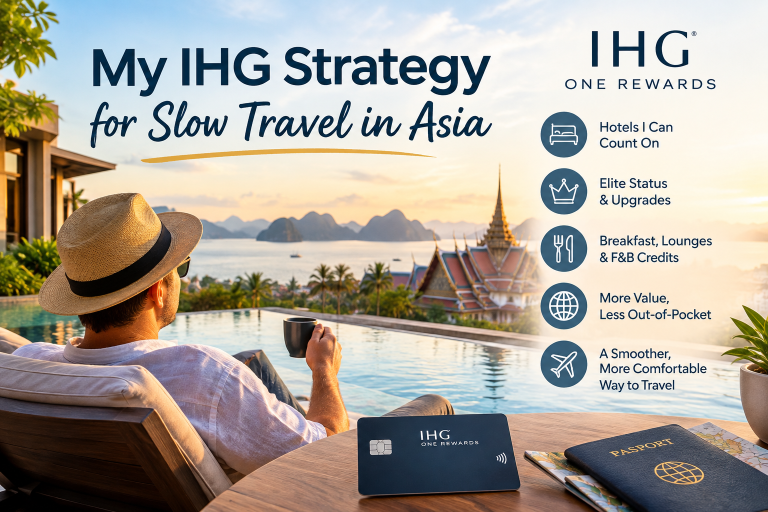
Most hotel loyalty strategies are built around travelers living in the U.S., taking short business trips, and squeezing as much value as possible from a handful of annual vacations. My strategy is different. I’m slow traveling through Asia, where I can spend weeks at IHG properties and take advantage of affordable hotels, long stays, elite benefits, and the depth of the IHG One Rewards portfolio. My strategy starts with the IHG One Rewards Business Credit Card, which provides automatic Platinum Elite status and gives me valuable benefits throughout the year. From there, I focus on strategically buying IHG points, targeting high-value redemptions, maximizing Milestone Rewards, and choosing hotels where my Platinum status adds real value. The goal isn’t simply to collect points or chase status—it’s to use the IHG ecosystem as a tool to make slow travel through Asia more comfortable, affordable, and rewarding.

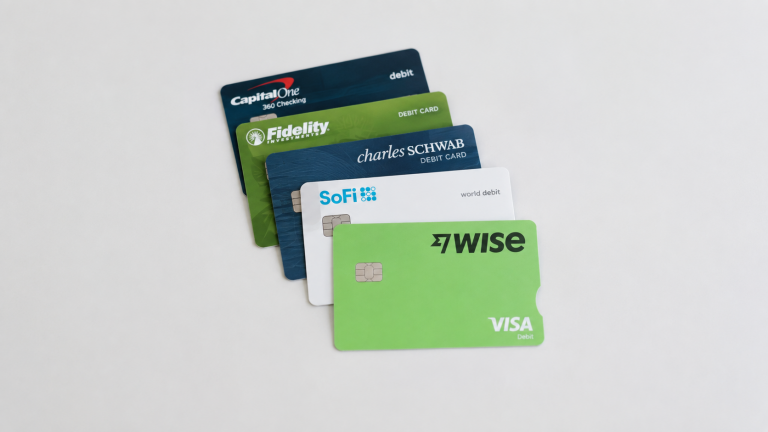
Choosing the best debit card for international travel can save you hundreds of dollars in ATM fees, foreign transaction fees, and poor exchange rates over time. Unfortunately, many travelers don’t realize how much they’re losing until they check their bank statements after returning home. The right debit card makes accessing local currency abroad simple, secure, and inexpensive. In this guide, I’ll compare the best debit cards for international travel in 2026, explain which cards I recommend, and show you how to avoid unnecessary banking fees wherever you travel.

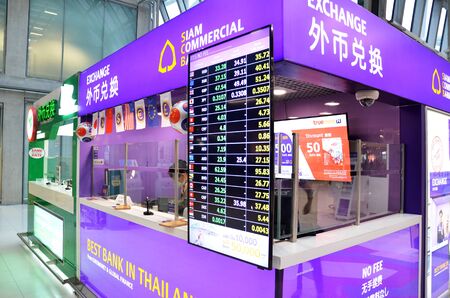
Traveling through Southeast Asia is affordable, but using the wrong ATM, debit card, or currency exchange service can quietly cost you hundreds of dollars in unnecessary fees over time. The good news is that avoiding these extra costs is surprisingly simple. In this guide, I’ll show you how to get the best exchange rates in Southeast Asia, minimize ATM and foreign transaction fees, and use the same money-saving strategies I’ve relied on while traveling throughout the region. Whether you’re visiting for a few weeks or moving abroad long term, these tips will help you keep more money in your pocket.

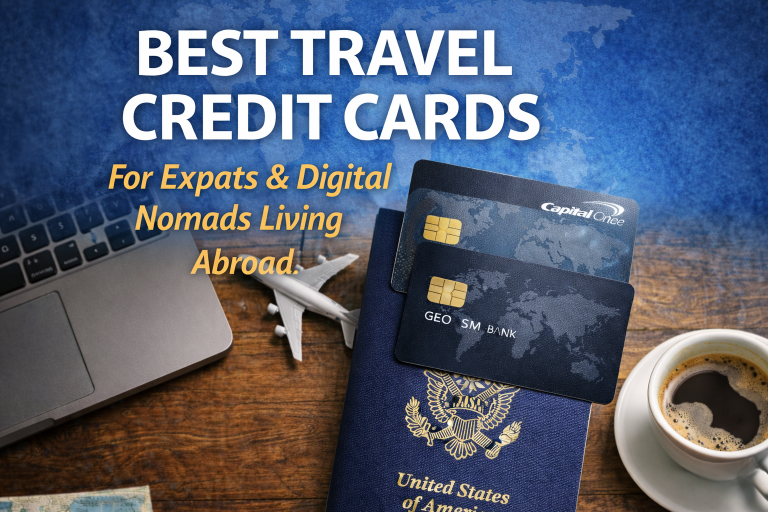
Travel credit cards have changed dramatically in 2026, and what works for occasional vacations no longer works for expats, digital nomads, and long-term international travelers. Annual fees are higher, statement credits are more restrictive, and many so-called “premium” perks still cater to U.S.-based spending, making them difficult to maximize overseas. For years, my go-to travel setup was the Capital One Venture X paired with the Capital One Savor, a simple two-card combination that earns flexible transferable miles on everyday international spending, charges no foreign transaction fees, and delivers premium travel benefits that actually work around the world. If you’re looking for the best two-card travel setup for international travel in 2026, this combination is still hard to beat.

Living in Bangkok for under $1,000 a month is absolutely possible, but your lifestyle will look very different from someone spending twice that amount. Bangkok can be one of the world’s most affordable capital cities if you’re willing to live like a local rather than chase luxury. In this guide, I’ll show you exactly what a monthly budget of around 30,000 baht can realistically buy—and where you’ll need to make compromises.

Luxury travel doesn’t have to break the bank. With the right strategies, you can enjoy premium travel experiences without paying premium prices. Learn how experienced travelers gain airport lounge access, fly business class for a fraction of the usual cost, stay at luxury hotels using points, and withdraw cash abroad without paying unnecessary ATM fees.

In this guide, I’ll show you how to travel smarter by making your money work for you. From earning valuable travel rewards and booking flights the right way to avoiding common travel fees and mistakes, these are the same strategies I use to make every trip more comfortable. Whether you’re planning a weekend getaway or an international adventure, you’ll learn how to travel better while spending less.

Wondering how much it costs to live in Bali? Budget travelers and backpackers can get by on $1,000–$1,500 per month, while most solo digital nomads should budget $1,500–$2,500 for a comfortable lifestyle. Couples can expect to spend around $2,500–$3,500 per month for a private villa, dining out, coworking, and weekend adventures, while a luxury lifestyle with upscale villas, fine dining, and premium experiences starts at $4,000+ per month.

Most retirees should budget $2,500–$3,000 per month for a comfortable lifestyle in Southeast Asia in 2026. While it’s possible to live on less, having around $3,000/month provides flexibility for healthcare, travel, inflation, and unexpected expenses. Based on the 4.5% rule, that means having roughly $660,000–$800,000 saved — or a reliable income source like Social Security or a pension that covers it.

Bangkok Cost of Living 2026

A couple living comfortably in Bangkok on a 90-day stay spends around $2,231/month — modern Airbnb condo, eating out regularly, BTS/MRT transport, travel insurance, and a buffer for miscellaneous. Solo travelers can expect roughly $1,550/month. Budget a minimum of $2,000/month — $3,000+ if you want regional travel and no budget stress.

Seraphinite AcceleratorOptimized by Seraphinite Accelerator
Turns on site high speed to be attractive for people and search engines.