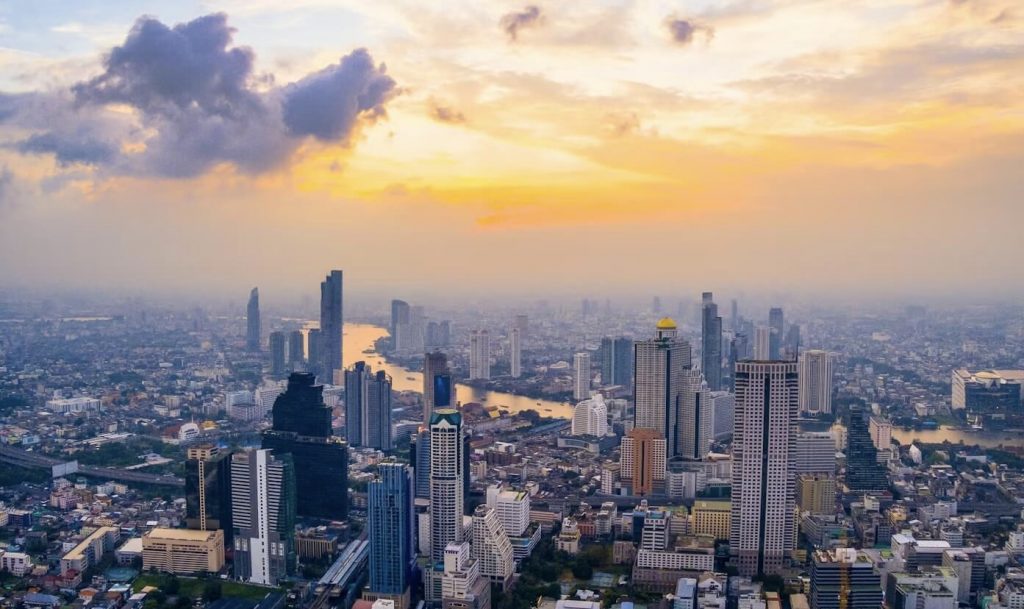
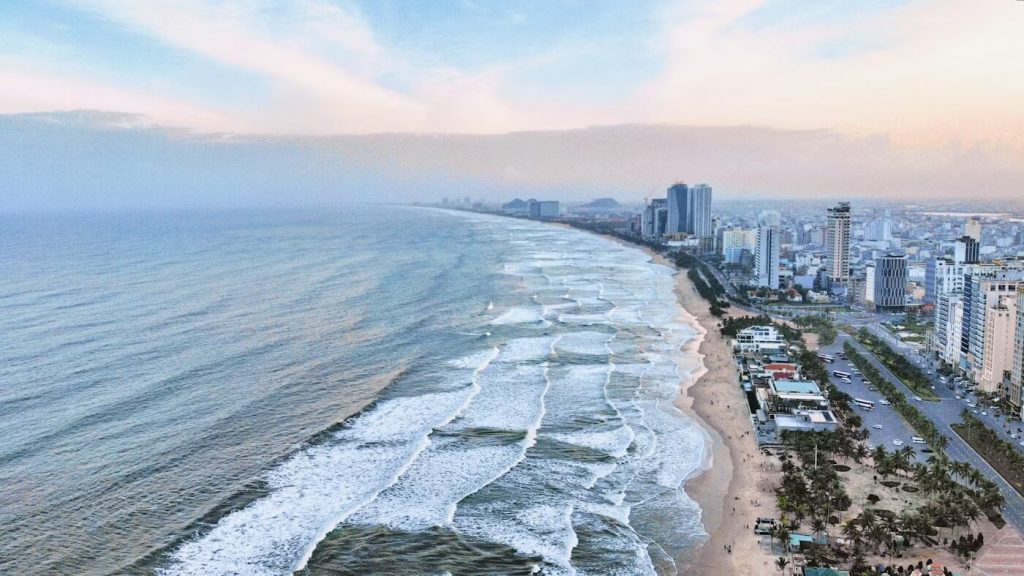
If you’re comparing the cost of living in Bangkok vs Da Nang, both cities offer incredible value but very different lifestyles. After traveling across Southeast Asia, these are two places I keep coming back to. Bangkok offers the convenience of a modern city with trains, taxis, luxury condos, gyms, and endless things to do, while Da Nang delivers a relaxed beach lifestyle with cheap coffee, great local food, and affordable beer. In this guide, I’ll compare real everyday prices—from accommodation and coffee to transportation, food, and daily essentials—to show what it actually costs to live in both cities.
Bangkok VS Da Nang
Bangkok vs Da Nang Cost of Living Overview
| Expense | Bangkok | Da Nang |
| Hotel (3★) | $50+ | $12–$25 |
| Airbnb Monthly | $800–$1,200 | $500–$700 |
| Street Food | $2–$4 | $1–$2 |
| Coffee | $2–$4 | $1–$2 |
| Local Beer | $3–$5 | $1–$2 |
| Massage | $8–$15 | $6–$10 |
Accommodation Costs: Hotels, Airbnb & Monthly Rentals
Accommodation is usually the largest expense when comparing the cost of living in Bangkok vs Da Nang. Both cities offer plenty of choices—from short-stay hotels to long-term apartments—but the value you get for your money can be very different depending on where you stay and how long you plan to live there.
Hotels in Bangkok vs Da Nang

In Bangkok, decent mid-range hotels typically start around $45–$50 per night for a clean, modern 3-star property near public transportation. Prices climb quickly if you want a better location, rooftop pool, or larger rooms.
In Da Nang, hotel prices are dramatically lower. Clean mid-range hotels commonly start around $15–$25 per night, and many include breakfast or are located within walking distance of the beach. For travelers staying a week or two, Da Nang is one of the best value destinations in Southeast Asia for hotel prices.
Airbnb Monthly Rentals
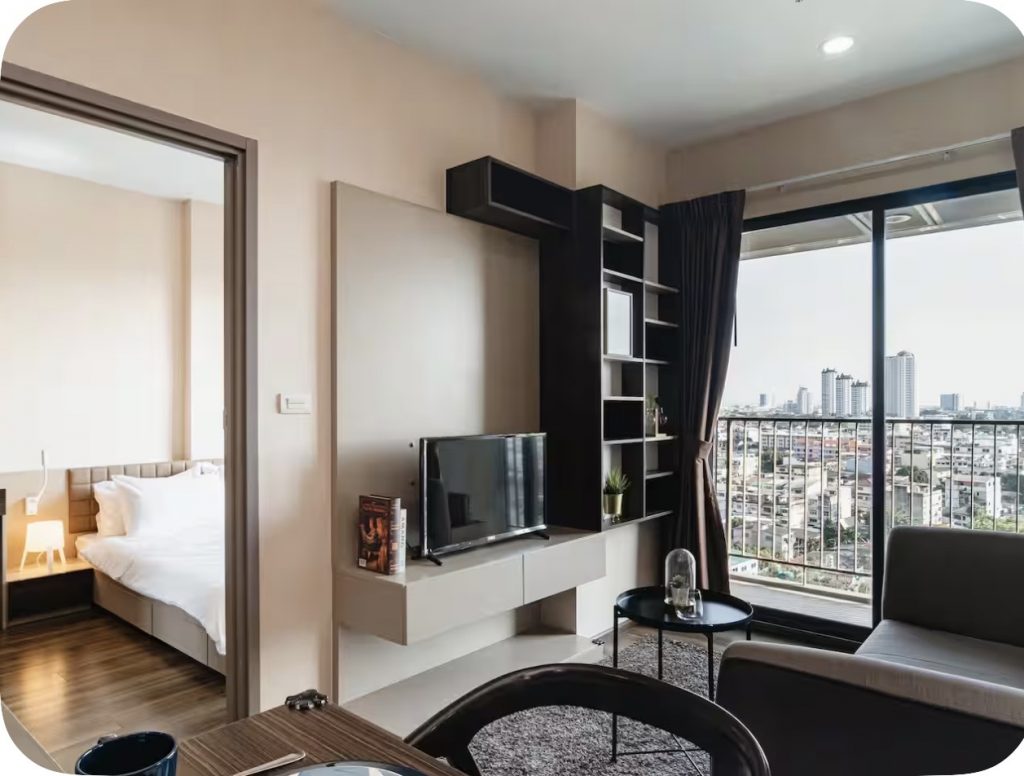
In Bangkok, monthly Airbnb rentals often start around $700–$900 per month for a simple studio or one-bedroom apartment. However, prices can rise quickly depending on the neighborhood, with modern condos in popular areas often reaching $1,000–$1,200 per month.
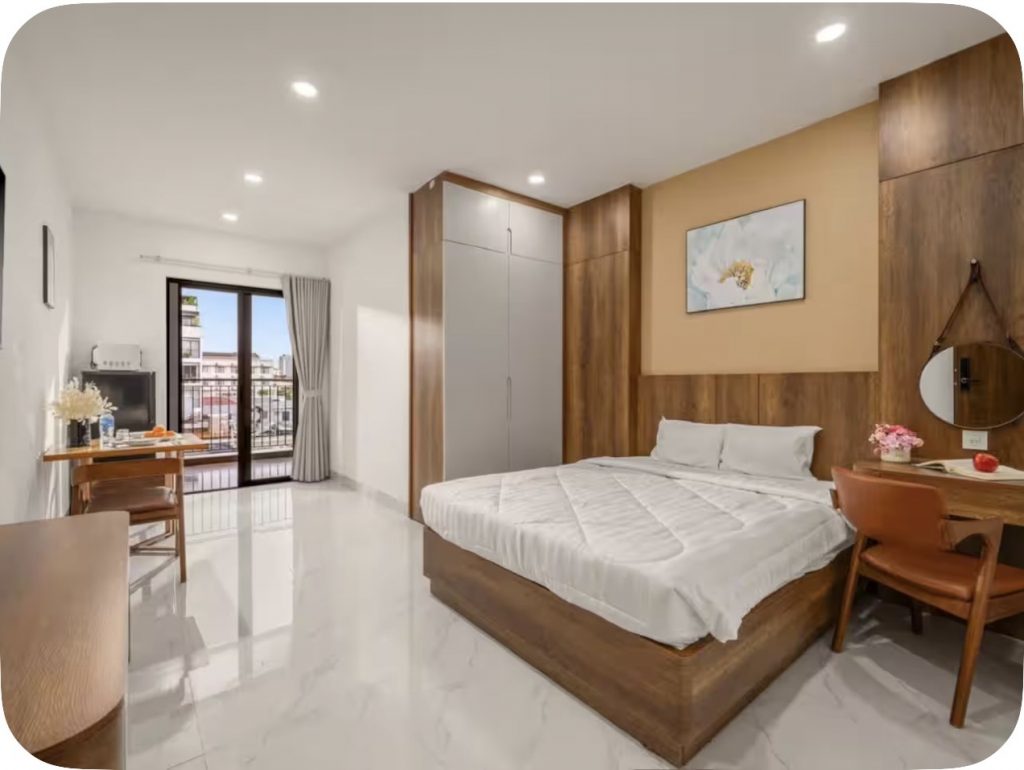
In Da Nang, monthly Airbnb rentals are generally cheaper than in Bangkok, with many starting around $500–$600 per month, especially in beachside areas popular with expats. The biggest difference tends to be building style and quality—Bangkok has many newer high-rise condo towers with full amenities, while Da Nang rentals are more commonly smaller apartment buildings or boutique-style units.
Long-Term Apartment Rentals

If you plan to stay several months, signing a local lease can significantly reduce housing costs.
Both cities offer one-bedroom apartments roughly in the $400–$600 per month range outside of premium neighborhoods. Bangkok’s advantage is the sheer number of modern condo complexes with pools, gyms, security, and even convenience stores in the building. Da Nang rentals can be cheaper, but the quality and maintenance of buildings can vary more widely.
Winner: Price vs Lifestyle
Da Nang wins on price. Budget hotels and affordable apartments make it one of the cheapest coastal cities to live in Southeast Asia.
Bangkok wins on amenities and convenience. Modern condo buildings, better public transportation, and more luxury facilities make everyday living easier.
Street Food, Local Restaurants & Western Food Cost
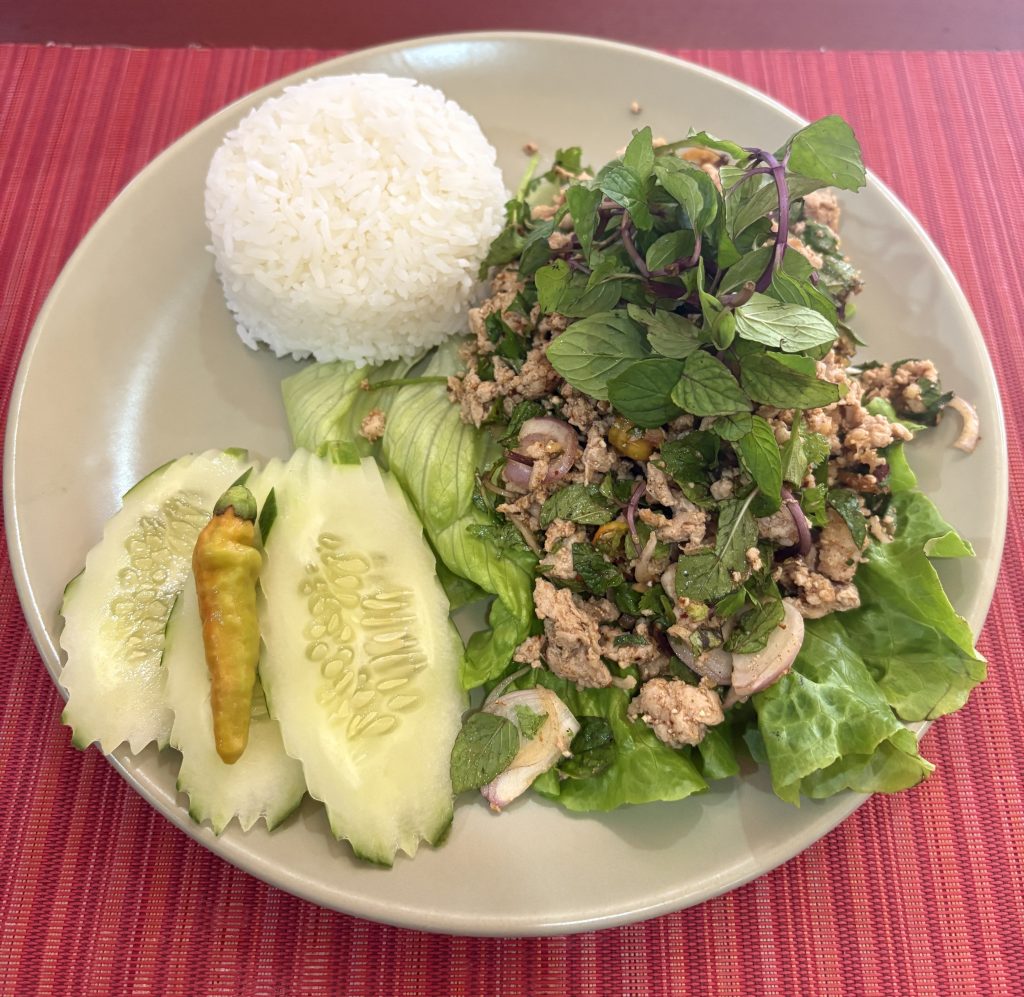
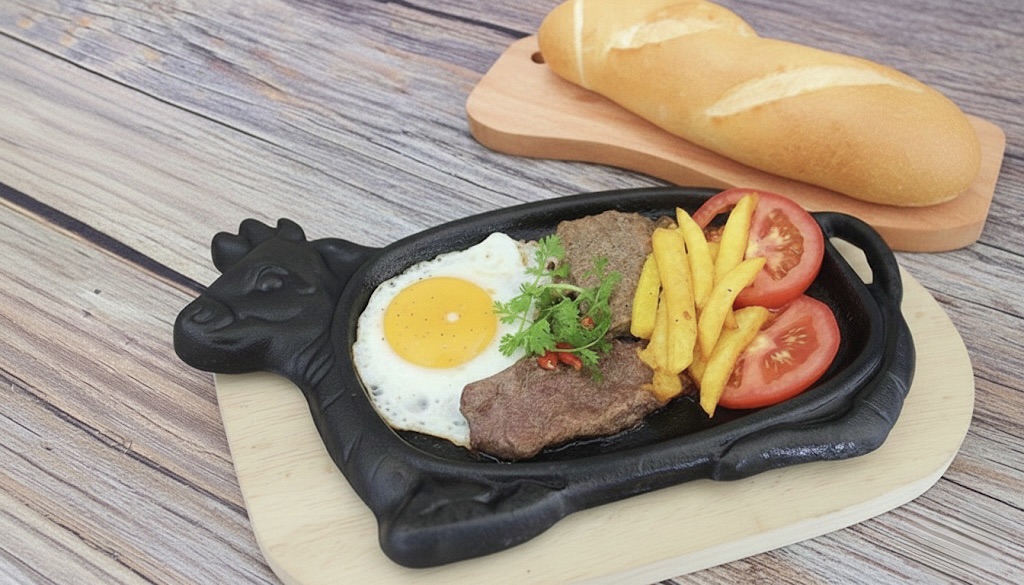
Food is where you really start to feel the difference in the cost of living in Bangkok vs Da Nang. Both cities are known for great food, but portion sizes and pricing can change your daily budget.
Street Food Prices
In Bangkok, street food is still affordable, with many dishes around 50–60 baht ($1.50–$2). However, portions can sometimes be small, and it’s common to order an extra dish or snack to feel full—especially in tourist or central areas.
In Da Nang, street food typically starts around 50,000 VND (~$2), but portions are often more filling for the price. A single bowl of noodles or local dish can be enough for a full meal, although this can vary depending on the vendor.
Local Restaurant Meals
In Bangkok, local restaurants usually range from 70–120 baht ($2–$4) for a basic dish, with prices increasing in malls or trendy neighborhoods.
In Da Nang, local restaurant meals often fall between 60,000–120,000 VND ($2.50–$5), with generous portions and fresh ingredients. Overall, you tend to get slightly better value for portion size compared to Bangkok.
Western & Foreign Food
In Bangkok, Western food and imported ingredients can be expensive. Expect to pay $8–$15+ for meals like burgers, pizza, or brunch, especially in popular expat areas.
In Da Nang, Western food is generally more affordable, often in the $6–$8 range, while still offering good quality. The growing expat scene has improved variety without driving prices too high.
Coffee, Beer & Cafe Culture

In Bangkok, coffee can be very affordable if you go local. A basic coffee from places like 7-Eleven starts around 40–45 baht (~$1–$1.30), and many small cafes or street vendors sell coffee in the 50–60 baht ($1.50–$2) range. Specialty cafes and mall locations will push prices higher.
In Da Nang, coffee is even cheaper overall. Local Vietnamese coffee typically ranges from 20,000–50,000 VND (~$0.80–$2) depending on whether it’s a simple local brew or a more specialty-style drink.
Local Beer Prices

In Bangkok, local beers like Chang or Leo typically cost 80–120 baht ($2.50–$4) at restaurants or bars, with prices climbing higher in nightlife areas.
In Da Nang, beer is much cheaper. Local draft beer (bia hơi) or bottled beer can start as low as 20,000–40,000 VND ($1–$2), making it easy to enjoy casually without spending much.
Cafe Lifestyle
Bangkok offers more variety—modern cafes, co-working spaces, and air-conditioned environments with strong wifi. It’s easy to spend hours working comfortably, but you’ll pay more for the experience.
Da Nang has a more relaxed, laid-back cafe vibe. Many cafes are open-air or near the beach, with a strong focus on local coffee culture. While slightly less polished in some spots, the lower prices and chill atmosphere make it a favorite for long, slow days.
Transportation Costs
Getting around is a key part of the cost of living in Bangkok vs Da Nang, and this is where the two cities feel completely different.
Public Transport in Bangkok
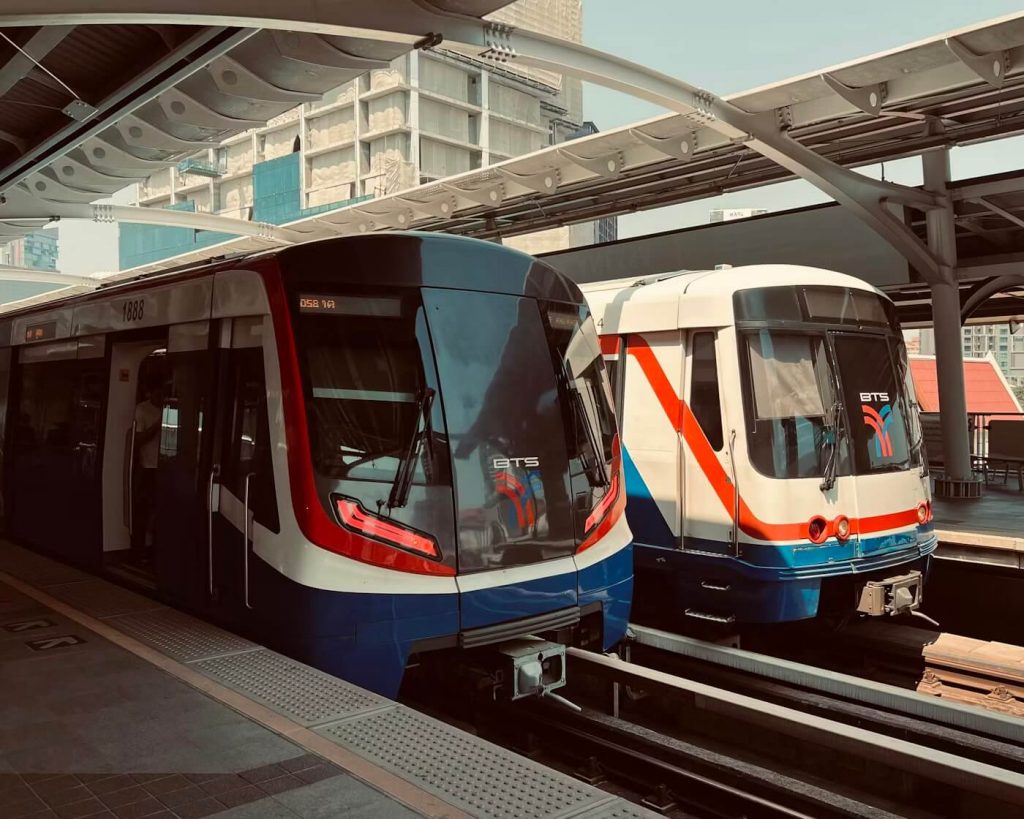
Bangkok has one of the best transport systems in Southeast Asia, but it comes at a cost.
The BTS Skytrain is fast, clean, and convenient, especially for avoiding traffic—but fares can feel expensive compared to other Asian cities, typically ranging 30–60+ baht per trip depending on distance. If you use it daily, it adds up.
The MRT is often slightly more affordable and covers different parts of the city, but it can get very crowded during peak hours.
Taxis and ride-hailing apps like Bolt are widely available and still reasonably priced, making it easy to get around without needing to own a vehicle.
Transportation in Da Nang
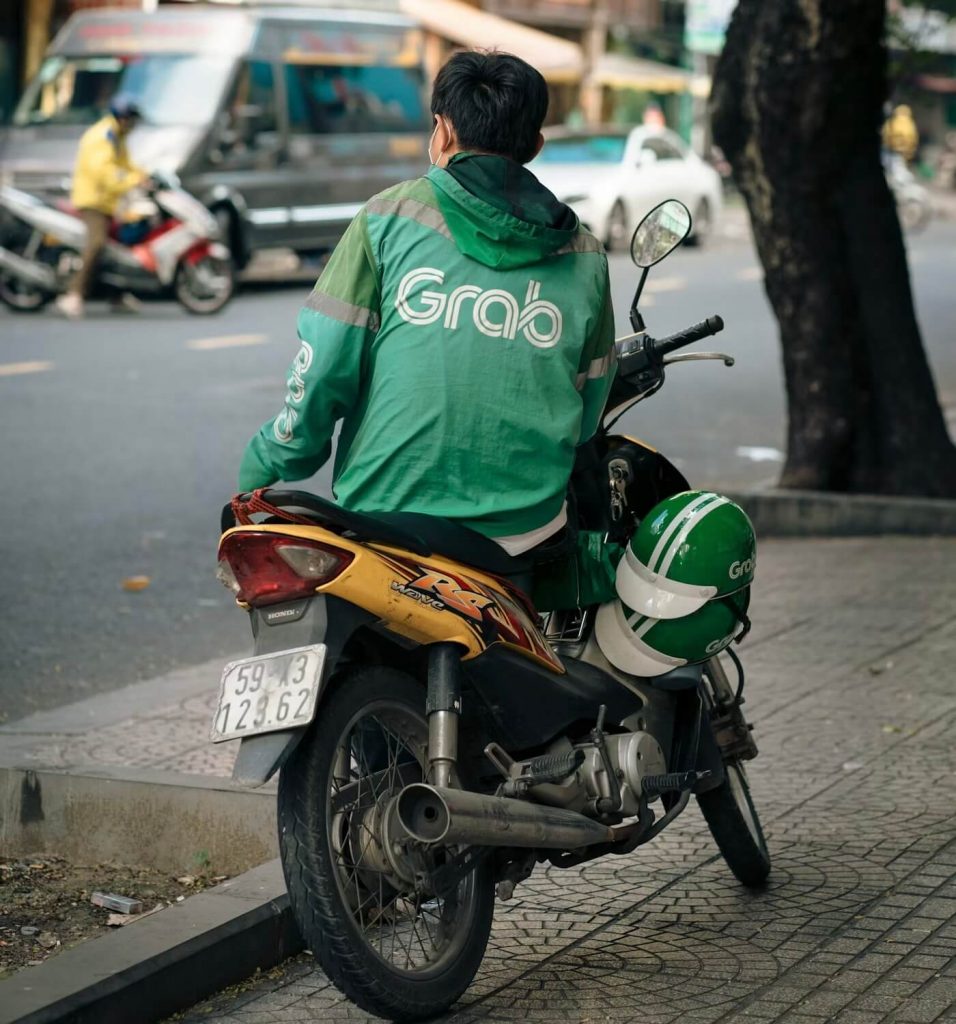
There’s no major public transit system like Bangkok, so most people rely on ride-hailing apps or scooters. Apps like InDrive often offer the best rates, usually cheaper than Grab for short trips.
Since the city is smaller and less congested, rides are quick and affordable, and many areas—especially near the beach—are walkable.
Everyday Essentials: Water, Groceries & Household Goods

Bottled Water
Bottled water is cheap in both cities, but still worth noting since you’ll buy it daily.
In Da Nang, mineral water is around 10,000 VND (~$0.40) for 1.5L.
In Bangkok, a similar 1.5L bottle usually costs around 20 baht (~$0.60).
Grocery Store Prices
In Bangkok, you’ll find a wide range of options—from wet markets to modern supermarkets like Tops, Gourmet Market, Villa, and Lotus. Prices are reasonable, but overall slightly higher, especially in central areas.
In Da Nang, groceries tend to be cheaper for basic items like fruits, vegetables, and local products. However, selection can be more limited depending on the store.
Imported Foods
In Bangkok, imported goods like cheese, wine, and Western snacks can be expensive due to import taxes and premium supermarket pricing.
In Da Nang, many Western imports are surprisingly more affordable, especially items like cheese and wine. While selection isn’t as large as Bangkok, the pricing is often better for expats who regularly buy imported products.
Internet & SIM Cards
Both cities offer fast internet speeds suitable for streaming and remote work.
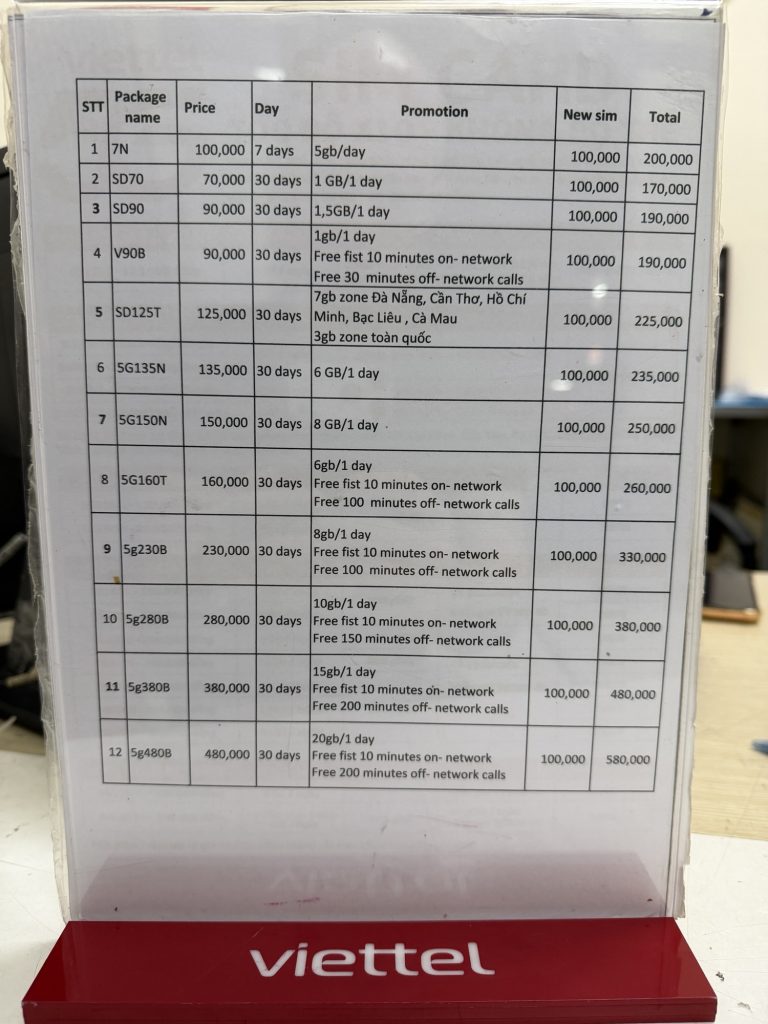
In Da Nang, mobile data is very affordable. Providers like VinaPhone and Viettel offer plans typically around $5–$8 per month, often with generous data allowances.
In Bangkok, mobile plans are still good value but more expensive. Monthly packages usually start around 399 baht (~$11–$12) depending on data speed and limits.
Wellness & Lifestyle Costs

Massage Prices
In Bangkok, massage is everywhere and very affordable. A standard Thai massage typically costs around 250–400 baht ($7–$12) depending on location and quality, with higher-end spas charging more.
In Da Nang, massages are slightly cheaper, usually around 150,000–300,000 VND ($6–$12). Prices are similar overall, but Thailand often offers more variety and higher-quality, professional massage experiences.
Gyms & Fitness
Bangkok has a clear advantage when it comes to fitness. Many condo buildings include free gyms, pools, and sometimes saunas, plus there are plenty of modern commercial gyms across the city.
In Da Nang, gyms are available but generally more basic. In local areas, gym memberships typically cost around $20–$30 per month, while gyms in tourist areas can run closer to $40–$50 per month. Overall, fewer buildings include full fitness facilities compared to Bangkok.
Parks & Recreation
Bangkok offers large public parks and green spaces like Lumphini Park, along with running paths and outdoor workout areas.
Da Nang stands out for its natural lifestyle, with easy access to the beach and outdoor activities. Spots like My Khe Beach make it easy to stay active without spending money.
Entertainment & Things To Do
Klook.comWhen it comes to lifestyle, this is where the biggest difference shows up between Bangkok and Da Nang.
Things To Do in Bangkok
Bangkok is one of the most exciting cities in Southeast Asia—you’ll rarely get bored.
- Massive shopping malls, night markets, and street food areas
- Rooftop bars, clubs, and nightlife options
- Concerts, events, and new attractions opening regularly
- Cultural sites like temples and riverfront areas
There’s always something happening, and you can easily fill every day with activities. The downside is that entertainment, especially nightlife, can get expensive quickly.
Things To Do in Da Nang
Da Nang offers a more relaxed, outdoor-focused lifestyle.
- Beach days and sunset walks along the coast
- Cafes, local bars, and casual nightlife
- Easy access to nature and weekend trips
- Nearby attractions like Ba Na Hills and Marble Mountains
While it doesn’t have the same level of variety as Bangkok, it makes up for it with simplicity and lower costs.
Lifestyle Comparison
Bangkok = fast-paced, endless entertainment, never boring
Da Nang = chill, slower lifestyle, more nature-focused
Visa & Stay Rules

Visa rules play a big role when comparing life in Bangkok vs Da Nang.
In Thailand, tourist stays are typically 30–60 days with extensions available, and there are more long-term visa options—but staying over 180 days can make you a tax resident.
In Vietnam, most travelers use a 90-day visa, and you’ll usually need to leave and re-enter after that, making visa runs common.
Monthly Budget Example
Bangkok Cost of Living Guide
Da Nang Cost of Living Guide
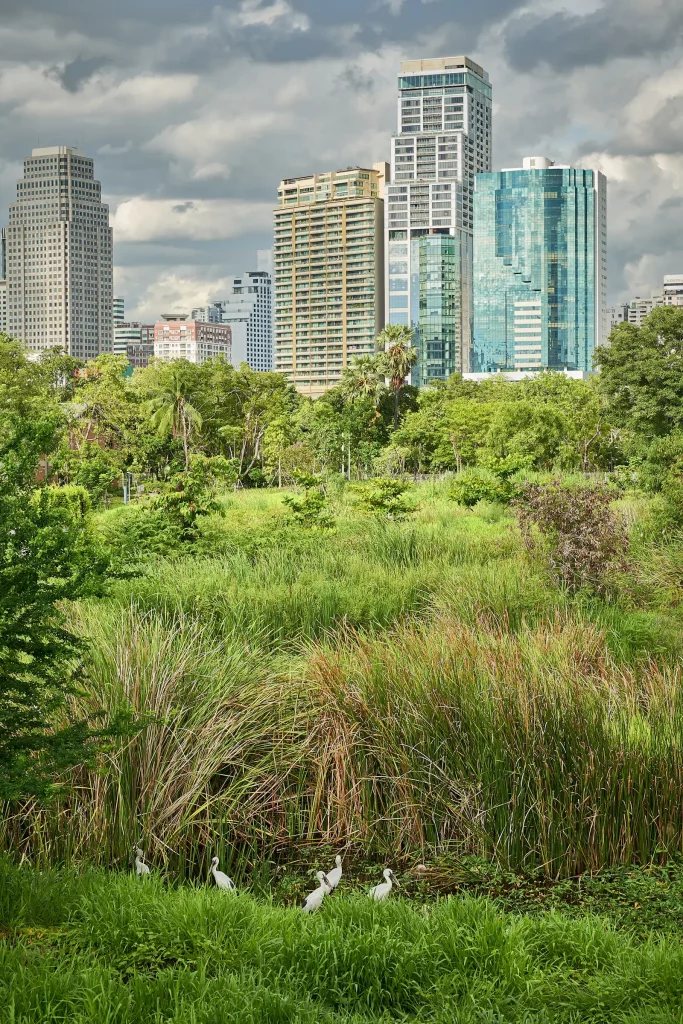
Pros and Cons of Living in Bangkok
Pros
- World-class transportation
- Modern condos and malls
- Endless restaurants and nightlife
Cons
- Air pollution
- Higher imported food costs
- Nightlife spending adds up
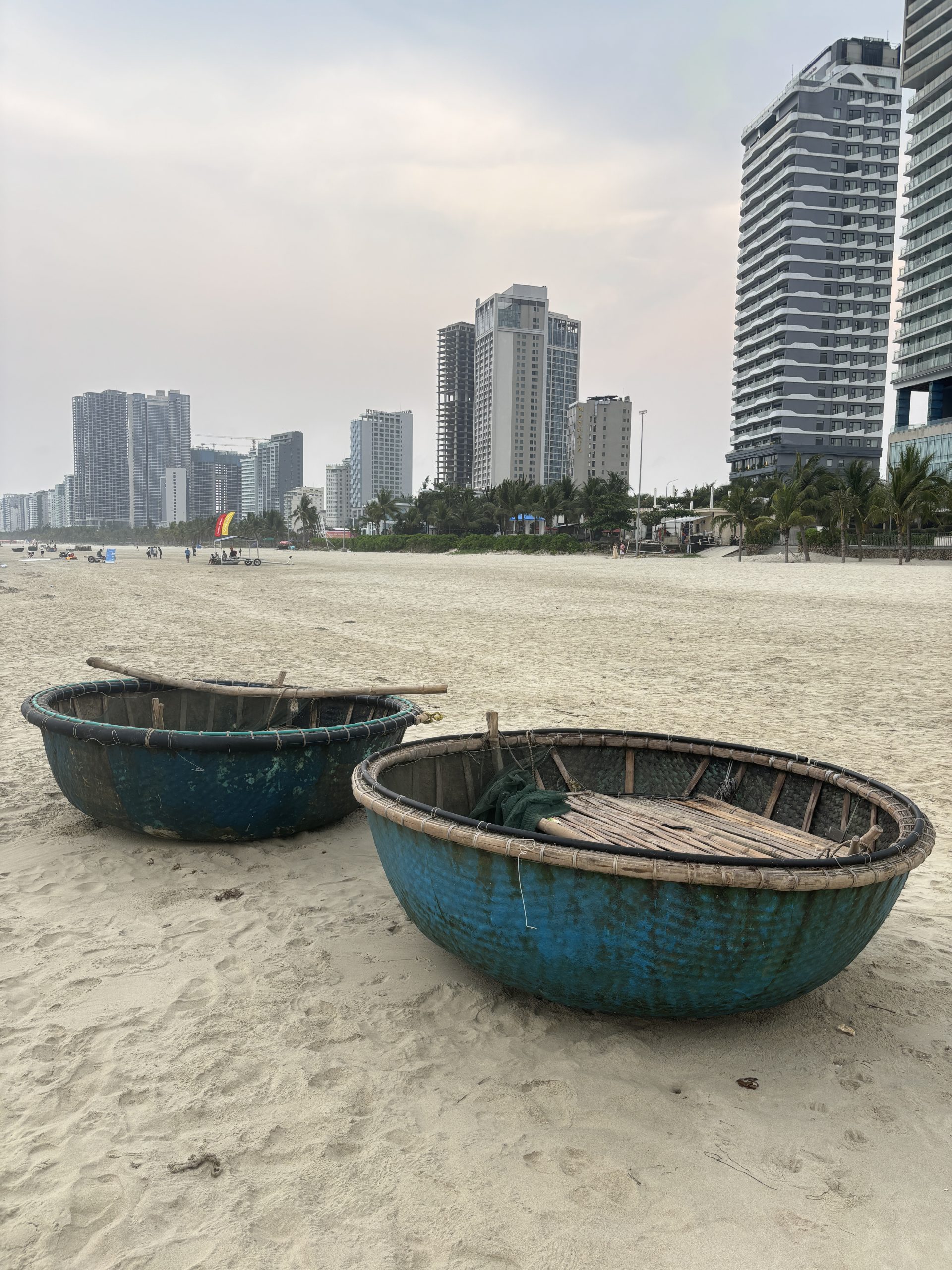
Pros and Cons of Living in Da Nang
Pros
- Beach lifestyle
- Cheap coffee and beer
- Affordable food
Cons
- Older buildings and maintenance issues
- Mold problems in some apartments
- Visa runs every 90 days
My Strategy: Why I Rotate Between Bangkok and Da Nang
One of the easiest ways to enjoy both cities is to rotate between them.
By spending about 90 days in Da Nang and then 90 days in Bangkok, you can:
- Avoid long-term visa complications
- Stay within legal limits in both countries
- Avoid 90 Day Reporting and becoming a Tax Resident in Thailand
- Enjoy both lifestyles throughout the year
Final Verdict: Which City Is Better?

There’s no one-size-fits-all answer when comparing Bangkok vs Da Nang—it comes down to what you value most.
- Cost of Living: Da Nang wins
- Accommodation Quality & Amenities: Bangkok wins
- Food & Daily Expenses: Da Nang wins
- Transportation & Convenience: Bangkok wins
- Lifestyle: Depends on your preference
If you want a modern, convenient city with endless things to do, Bangkok is hard to beat. If you prefer a cheaper, slower-paced beach lifestyle, Da Nang offers incredible value.
Is Da Nang cheaper than Bangkok?
Yes, Da Nang is generally cheaper than Bangkok, often by a noticeable margin across everyday expenses like accommodation, food, coffee, and transportation. While Bangkok offers better infrastructure, amenities, and overall convenience, the lower daily costs in Da Nang make it the better choice if your priority is saving money.
Is Da Nang good for digital nomads?
Yes—Da Nang is a great option for digital nomads if you want a low-cost, relaxed lifestyle. It offers fast, affordable internet, plenty of cafes to work from, and a comfortable monthly budget, especially compared to bigger cities like Bangkok. The main downside is needing visa runs every 90 days, but overall it’s one of the best value spots in Southeast Asia for remote work.
How much money do you need per month in Bangkok vs Da Nang?
On average, you can expect to spend around $1,500–$2,500 per month in Bangkok for a comfortable lifestyle, while Da Nang typically ranges from $1,000–$1,500 per month depending on your lifestyle. Da Nang is generally 30%–50% cheaper overall, especially for housing, food, and daily expenses, while Bangkok costs more but offers better infrastructure, amenities, and convenience.
Does Vietnam offer a long term visa ?
In most cases, no. While there are some limited long-stay options, the majority of expats—even business owners—still rely on 90-day visas and regular visa runs when living in Da Nang.
Can I stay long term in Thailand on tourist stamps?
No. Thailand has been cracking down on long-term stays using tourist stamps. If you have multiple entries in your passport, immigration may question you and could deny entry into Bangkok or elsewhere in the country.
Can foreigners live cheaply in Bangkok?
Yes—foreigners can live relatively cheaply in Bangkok if they keep a local lifestyle. Eating street food, using public transport, and renting outside prime areas can keep monthly costs low. However, expenses rise quickly with Western food, nightlife, and central condos, so Bangkok is affordable—but easy to overspend in.