Over the years, I’ve stayed in everything from long-term condo rentals and Airbnbs to budget hotels booked through Agoda and branded hotel chains. Each has its place depending on the destination and length of the trip. But as I’ve traveled more throughout Asia, I’ve found myself booking hotels far more often. The combination of affordable rates, pools, gyms, daily housekeeping, complimentary breakfast, and hotel loyalty rewards has made them a better overall value for most of my travels. Today, I build my travel around three hotel credit cards that help me earn free nights, elite status, and valuable perks while keeping accommodation costs surprisingly low. In this guide, I’ll explain why I’ve shifted toward hotels, when I still choose an Airbnb, and the three cards that power my Asia travel strategy in 2026.
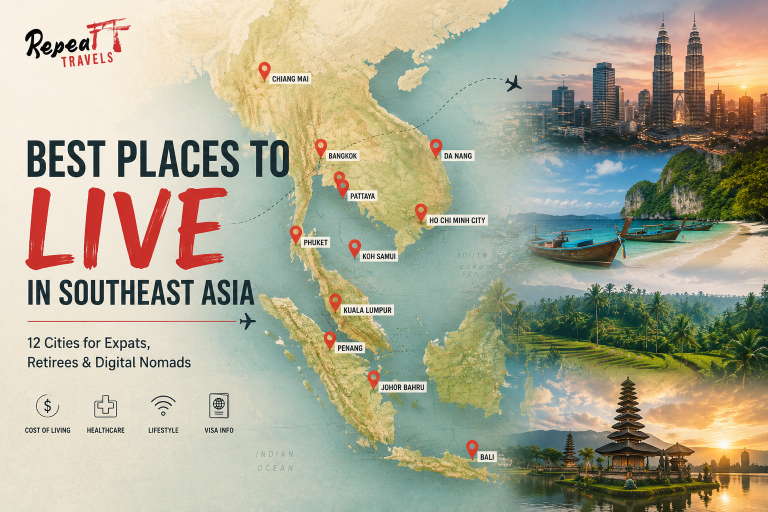
Why these twelve
This isn’t a ranking based on surveys, popularity, or cost-of-living indexes. These are the twelve places in Southeast Asia that I would genuinely consider living in myself.
When deciding where I’d live, I look for six things: reliable healthcare, an international airport, fast internet, modern infrastructure, affordable living, and enough cafes, restaurants, gyms, and everyday conveniences that life feels easy over the long term.
Every city on this list is somewhere I’d confidently recommend to expats, retirees, or digital nomads. The scores reflect my own experience and priorities, and are intended to help you compare destinations—not declare one city objectively “best.”
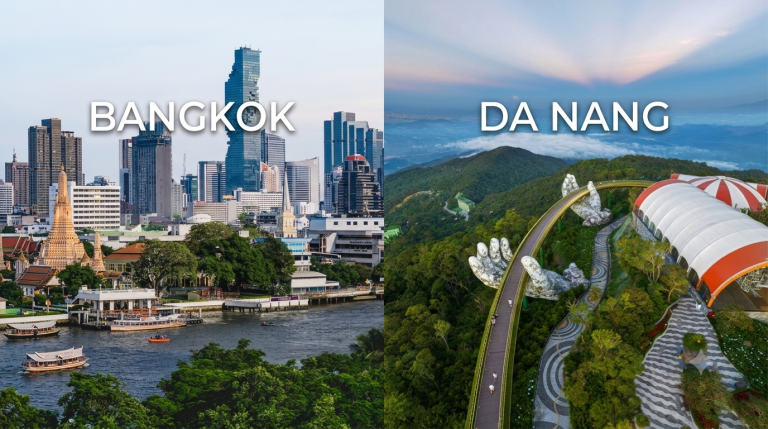
If you’re comparing Bangkok vs Da Nang, both cities offer incredible value—but they cater to very different lifestyles. After spending months living in both, they’re two places I keep coming back to in Southeast Asia. Bangkok offers the convenience of a modern city with efficient public transportation, luxury condos, world-class shopping, and endless entertainment, while Da Nang delivers a relaxed beach lifestyle with affordable coffee, delicious local food, and a lower cost of living. In this guide, I’ll compare real everyday expenses—including accommodation, food, transportation, coffee, internet, and monthly living costs—to help you decide whether Bangkok or Da Nang offers the best value for travelers, digital nomads, and long-term visitors.
Most retirees should budget $2,500–$3,000 per month for a comfortable lifestyle in Southeast Asia in 2026. While it’s possible to live on less, having around $3,000/month provides flexibility for healthcare, travel, inflation, and unexpected expenses. Based on the 4.5% rule, that means having roughly $660,000–$800,000 saved — or a reliable income source like Social Security or a pension that covers it.
After spending 90 days at a time in Da Nang twice a year for the past three years, we’ve learned what it really costs to live in one of Southeast Asia’s most affordable beach cities. This Da Nang cost of living guide is based on our actual expenses as a couple in 2026—not estimates copied from other websites. We’ll break down exactly what we spend on rent, groceries, restaurants, transportation, healthcare, internet, and everyday living, plus share both our monthly budget and the estimated cost of a full 90-day stay to help you plan your own trip or move with confidence.
Da Nang is one of Southeast Asia’s most affordable beach cities, offering modern apartments, miles of sandy beaches, incredible local food, and a relaxed lifestyle at a fraction of the cost of many other destinations. After spending multiple 90-day stays living here, we’ve discovered the best neighborhoods, hotels, cafés, beaches, and attractions that make Da Nang a favorite for travelers, digital nomads, and retirees alike. In this 2026 Da Nang travel guide, you’ll find everything you need to plan your trip—including the best things to do in Da Nang, where to stay, how much things really cost, where to eat, and insider tips to help you experience the city like a local.
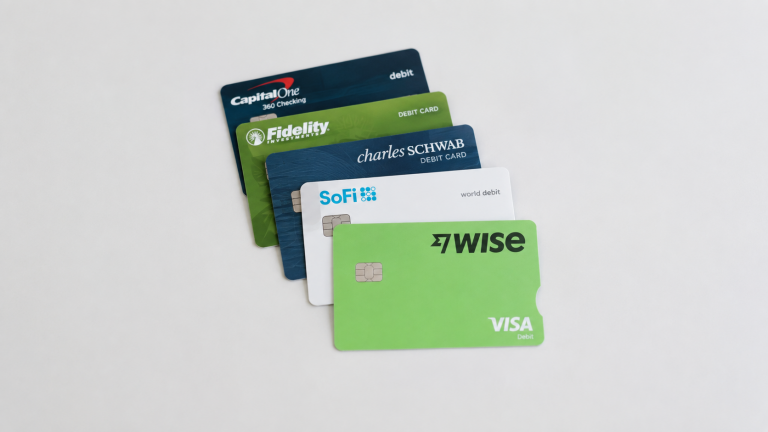
Maximizing travel rewards is only half the battle—keeping your hard-earned money in your pocket is the other. As an expat living overseas, I have optimized my biggest everyday spend categories (accommodations, flights, dining, and groceries) to earn the highest multipliers possible.
To travel efficiently, you need a dual-threat wallet strategy:
Vietnam hits that rare sweet spot—affordable, diverse, and unforgettable—making it one of Southeast Asia’s best-value destinations for first-time and repeat travelers alike. From the limestone karsts of Ha Long Bay and the winding motorbike routes of Ha Giang to the lantern-lit streets of Hoi An and the beaches of Phu Quoc, this updated Vietnam travel guide covers everything you need to plan with confidence, including the best places to visit in Vietnam, ideal itineraries, travel costs, when to go, visa requirements, and top things to do, so you can maximize your time and experience the country smarter.