Traveling abroad can be expensive enough without losing money to poor exchange rates, hidden ATM fees, or overpriced airport kiosks. The good news? With the right strategy and the right travel money cards, you can keep more of your cash for experiences instead of bank charges. In this guide, we’ll cover the best ways to get local currency while traveling internationally, plus highlight three must-have cards that help you unlock the best exchange rates and avoid unnecessary fees worldwide.
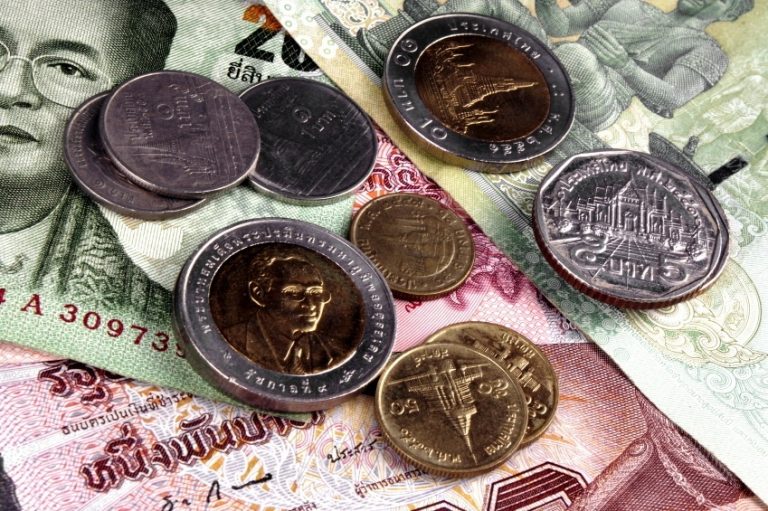
Thailand Currency Exchange Guide
1. Avoid Airport Currency Exchange Counters

Airport kiosks are the most convenient—but also the most expensive—option for exchanging money abroad. They often mark up exchange rates by 10–20% and may add hidden commissions on top. If you absolutely need cash upon arrival, only exchange a small amount at the airport, then use a better method once you’re in the city.
2. Withdrawing Local Currency from ATMs Abroad
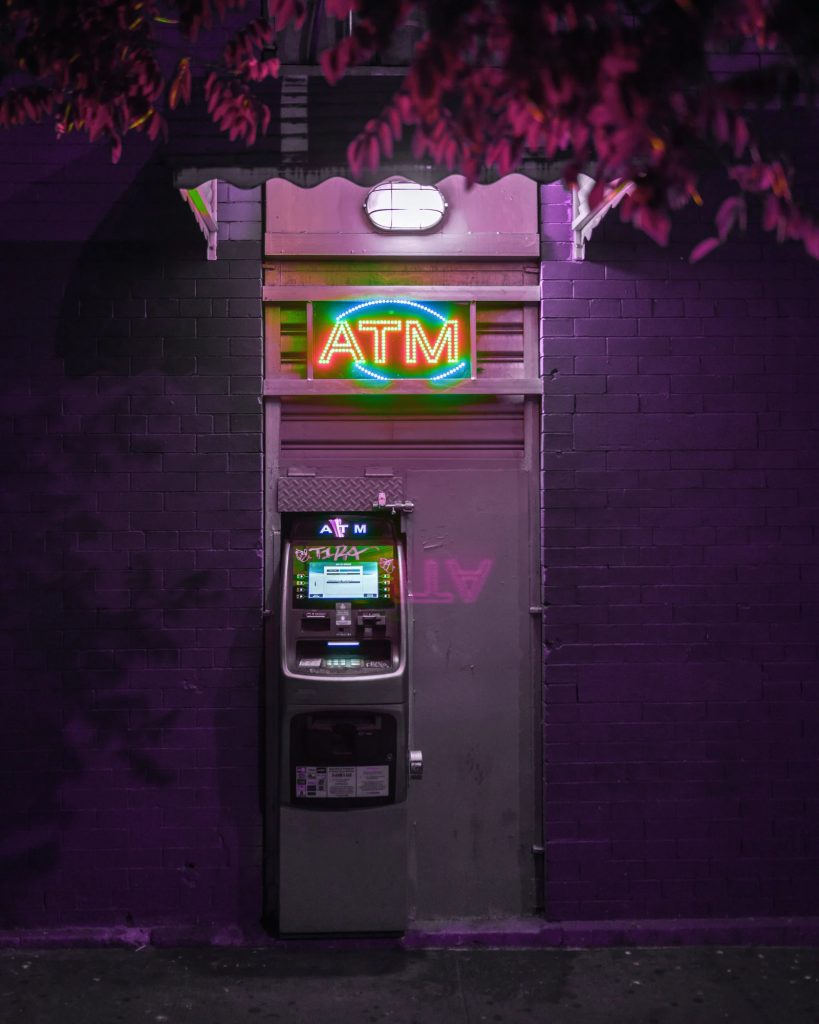
The simplest way to get local currency almost anywhere in the world is to use an ATM. However, international withdrawals often come with two types of fees:
- A local ATM fee charged by the foreign bank.
- A foreign transaction fee charged by your home bank.
💡 Pro tip: Always choose to be charged in the local currency, not in USD. This ensures your card issuer gives you the best real-time exchange rate instead of letting the ATM apply its own inflated conversion.
3. Best Debit Card for Travel: Charles Schwab
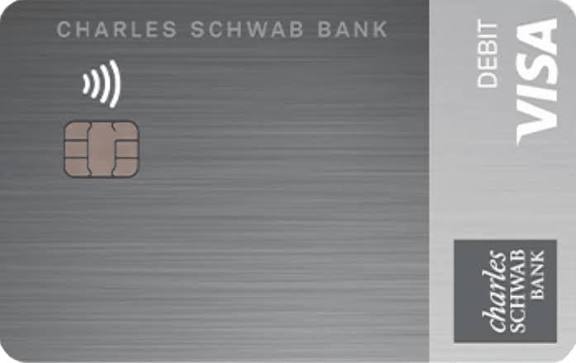
The Charles Schwab Debit Card is legendary among frequent travelers because it reimburses all ATM fees worldwide at the end of each month. That means you’ll never pay the foreign bank’s withdrawal fee—no matter where you are.
Why it’s the best for international travel:
- Unlimited ATM fee reimbursements worldwide.
- No foreign transaction fees.
- Linked to a free brokerage account (easy to open).
- Great for long-term travelers who rely on cash in multiple countries.
4. A Strong Alternative: Capital One Debit & Credit Cards
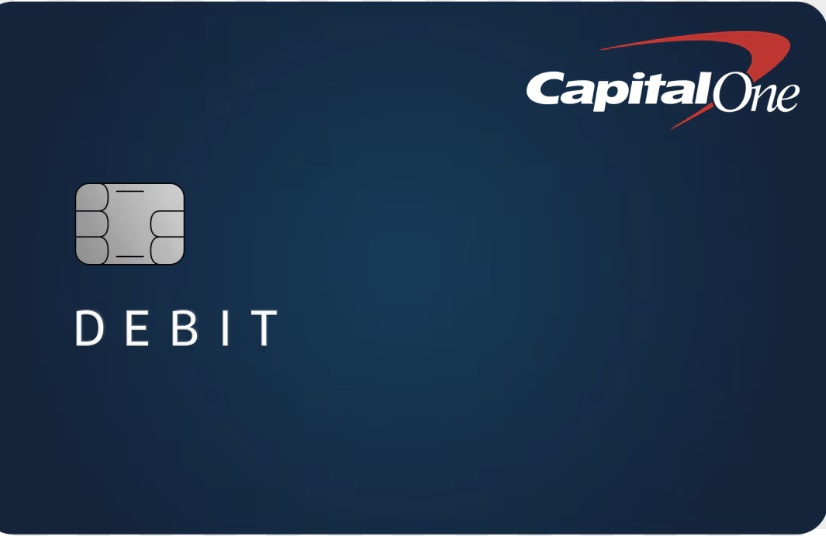
If you don’t have Schwab, Capital One 360 Checking and Capital One Venture X Credit Card are both excellent for international travelers.
- Capital One 360 Debit Card: No international fees, but you’ll still pay the local ATM fee (unlike Schwab).
- Capital One Venture X Credit Card: Best for booking flights and hotels, with no foreign transaction fees and top-tier travel perks like lounge access and travel credits.
- Free international withdrawals at MoneyPass® and Allpoint® ATMs (Japan, South Korea, Taiwan, etc..).
👉 Together, these cards cover both cash withdrawals and credit purchases abroad.
- Fidelity Cash Management Account: This account is a traveler’s favorite because it offers unlimited reimbursement for ATM fees worldwide. Whether you’re at a high-end bank or a remote corner store, Fidelity credits those pesky fees back to your account (often on the same day). Plus, they charge no foreign transaction fees, ensuring you get a clean exchange rate on every withdrawal.
- Betterment Checking: Betterment offers a seamless international experience by not only reimbursing all ATM fees globally but also covering the 1% Visa foreign transaction fee that many other “no-fee” banks still pass on to the customer. This makes it a truly “zero-cost” card for both getting cash and making direct purchases in a foreign currency.
5. Best Multi-Currency Card: Wise Account & Card
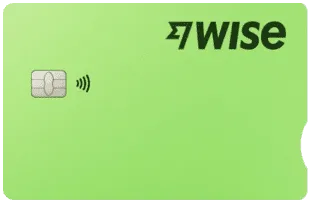
For travelers who move between multiple countries, the Wise Multi-Currency Account is a game-changer. You can hold balances in over 40 currencies, convert at real mid-market exchange rates, and spend locally with the Wise debit card.
Why travelers love Wise:
- No hidden markups—just a small transparent conversion fee.
- Ability to pay in local currency without exchange surprises.
- Instant transfers between currencies at fair rates.
- Works great as a backup card in case your main debit/credit card fails.
6. Should You Exchange Cash Before Traveling?
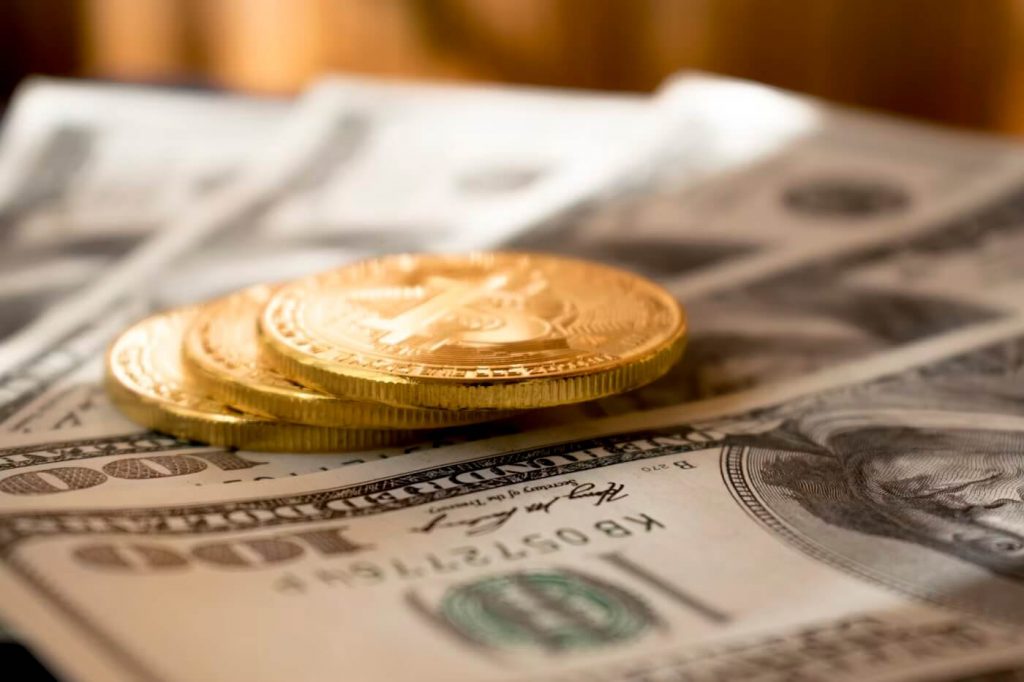
Some travelers prefer exchanging money at their local bank before departure. While this can give you peace of mind, rates are often less favorable compared to ATMs abroad. If you want to land with some local cash in hand, exchange just enough to cover taxis, snacks, or tips—then rely on your cards for the bulk of your spending.
7. Using Credit Cards Abroad (and How to Stay Safe)
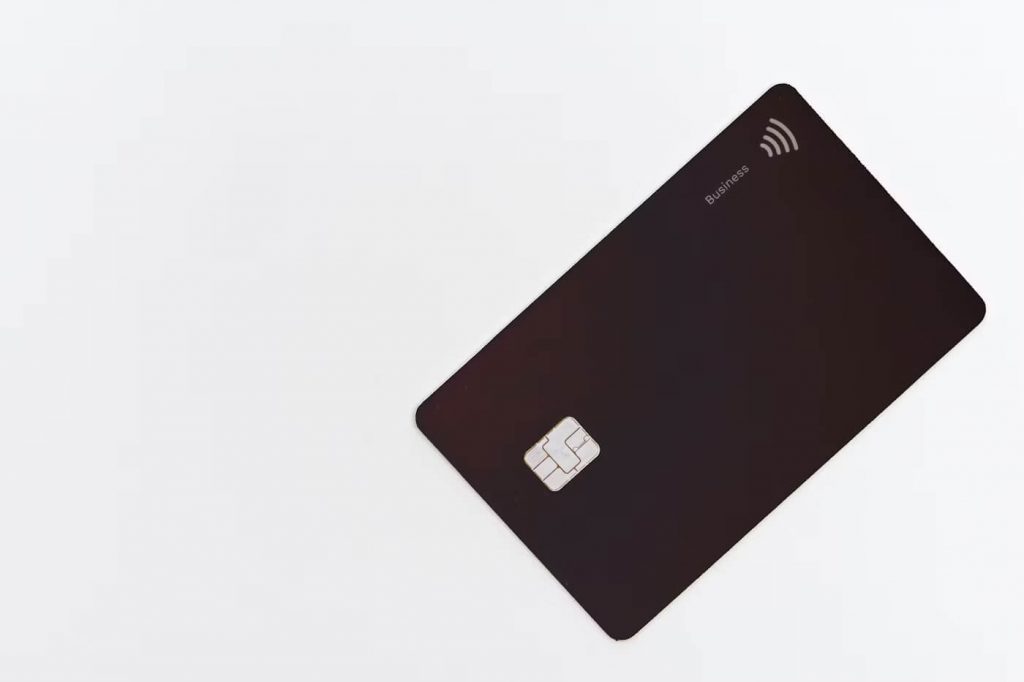
Credit cards are widely accepted in major cities worldwide, especially for hotels, restaurants, and flights. However, travelers should be cautious: credit card fraud and skimming are common in some countries.
Tips for safe use:
- Use Apple Pay or Google Wallet instead of swiping.
- Avoid letting waiters or shops take your card out of sight.
- Carry at least two backup cards from different issuers.
For everyday purchases, choose a no-foreign-transaction-fee credit card like Capital One Venture X or Chase Sapphire Preferred (as a secondary option).
8. Final Tips for the Best Exchange Rates Abroad
- Withdraw larger amounts less frequently to reduce ATM fees.
- Stick with major bank ATMs located inside branches for better security.
- Keep a mix of cash + debit card + credit card + backup card for flexibility.
- Limit how often you exchange money—every conversion costs you.
Conclusion: The Best Strategy for Travelers
The best way to save money abroad is to use a combination of smart banking tools and safe travel habits. For most international travelers, the Charles Schwab Debit Card is the #1 choice for free ATM withdrawals worldwide, while the Capital One Venture X covers credit purchases and travel perks. Add a Wise Multi-Currency Account as a backup, and you’ll always have access to fair exchange rates and secure payment methods. With the right setup, you can travel anywhere in the world without worrying about overpriced exchange booths or hidden bank fees.
.
Is it better to exchange money at the airport or in the city?
Exchanging money at the airport may be convenient, but rates can be less favorable. It’s often better to exchange money in the city at reputable exchange offices or banks for the Best Exchange Rates in Thailand.
Should I use cash or credit cards in Thailand?
It’s best to have a mix of both. Credit cards are widely accepted in cities and major establishments, but having cash is useful for smaller businesses and local markets.
Can I exchange leftover Thai baht back to my home currency before leaving Thailand?
Yes, many banks and currency exchange offices allow you to convert your leftover Thai baht back to your home currency. Keep your exchange receipts for easy transactions.
What are the common scams to watch out for when exchanging money in Thailand?
Be cautious of unauthorized money exchange services, as they may offer unfavorable rates or engage in scams. Stick to reputable banks and exchange offices.