
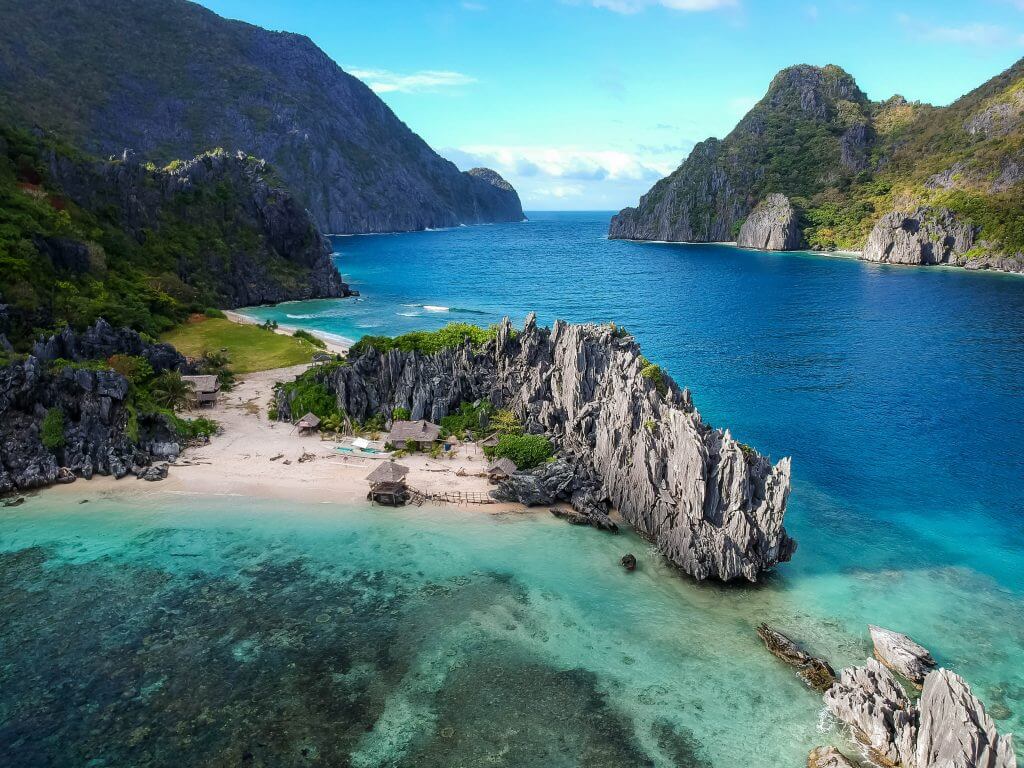
With more than 7,600 islands, the Philippines is best known for its white-sand beaches, clear turquoise water, and world-class island hopping. It’s a top destination for swimming, snorkeling, diving, and relaxing on tropical islands. While travel costs can be higher than other Southeast Asia destinations, the natural beauty—especially the beaches—makes it worthwhile for travelers focused on ocean experiences. This comprehensive Philippines travel guide covers the best places to visit in the Philippines, essential travel tips, and what to expect when planning your trip. If your priority is beaches, island life, and water activities, the Philippines offers some of the most beautiful coastal scenery in Asia.
Philippines Travel Guide
Why Visit The Philippines
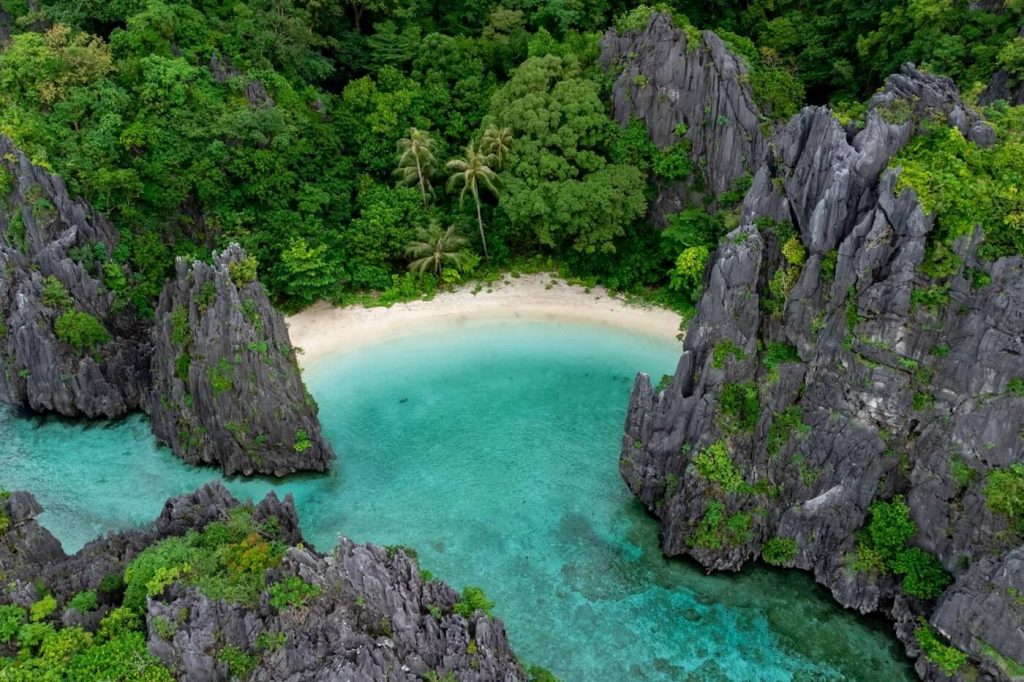
Travelers visit the Philippines primarily for its exceptional beaches, crystal-clear water, and some of the best island hopping in Southeast Asia. Popular activities include snorkeling vibrant coral reefs, scuba diving with sea turtles and shipwrecks, swimming in turquoise lagoons, chasing waterfalls, and relaxing on white-sand beaches like those in Palawan and Boracay. You can also explore rice terraces, volcano viewpoints, and lively coastal towns. While the Philippines is not the cheapest destination in the region and requires more planning due to its geography, it’s an excellent choice for travelers who prioritize beaches, water activities, and uncrowded tropical scenery over big-city sightseeing.
Entry Requirements: Do You Need a Visa To Visit?
Most travelers can enter the Philippines visa-free for tourism. Citizens of the United States, Canada, the UK, EU countries, Australia, and many others receive 30 days visa-free entry, provided your passport is valid for at least six months beyond your arrival date and you have proof of onward or return travel. If you want to stay longer, you can apply for visa extensions inside the Philippines, typically allowing stays of up to 59 days initially, with further extensions available through the Bureau of Immigration.
All travelers must also complete the official eTravel registration within 72 hours before arrival. This online form replaces paper arrival cards, and you’ll receive a QR code to present at immigration. The process is free and takes only a few minutes. https://etravel.gov.ph/
Best Time to Visit the Philippines
The Philippines has a tropical climate with warm temperatures year-round, averaging 24–32°C (75–90°F). The best time to visit the Philippines depends largely on weather, as rain and typhoons can affect travel plans, especially when moving between islands. For the best beach conditions, calm seas, and reliable flights and ferries, the dry season is the most popular time to visit.
Dry Season (December to May) — Best Overall
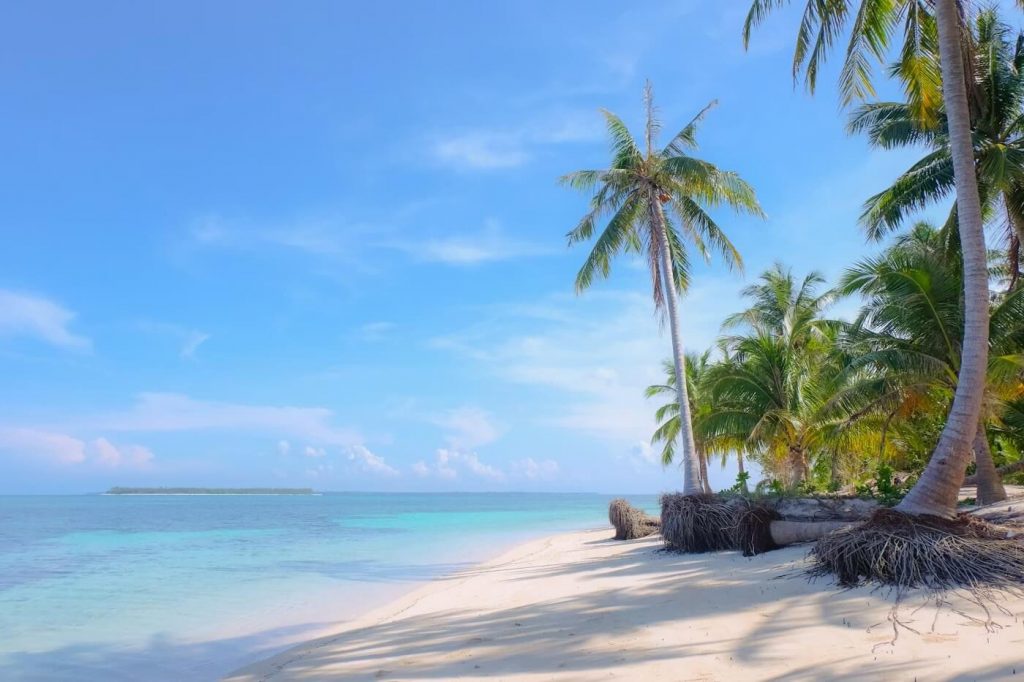
This is the best time to visit the Philippines for island hopping, beach trips, snorkeling, and diving. Expect sunny days, lower humidity, and calmer waters—ideal for destinations like Palawan, Boracay, and Cebu.
- December to February: Cooler temperatures and most comfortable weather
- March to May: Hottest months, but excellent visibility for swimming and diving
- Best for: Beaches, island hopping, outdoor activities
Rainy Season (June to November) — Lower Prices
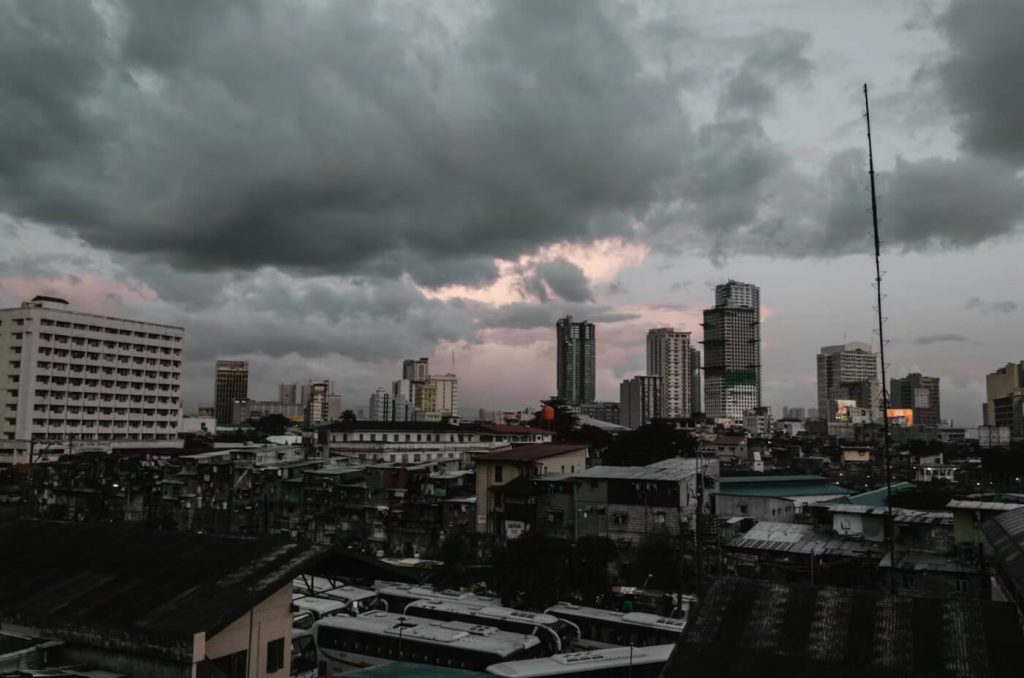
This period brings frequent rain, humidity, and the possibility of typhoons, especially from July to October. Ferry cancellations, flight delays, and rough seas are more common. However, travel costs are lower, and popular destinations are less crowded.
- Best for: Budget travelers willing to accept weather risks
- Worst months for travel reliability: July to October (peak typhoon season)
Best Philippines Destinations to Visit
Choosing where to go in the Philippines can be overwhelming. With thousands of islands, your experience will vary depending on whether you’re chasing white-sand beaches, colonial history, mountain scenery, or adventure activities. These are some of the best places to visit in the Philippines for first-time travelers.
Boracay
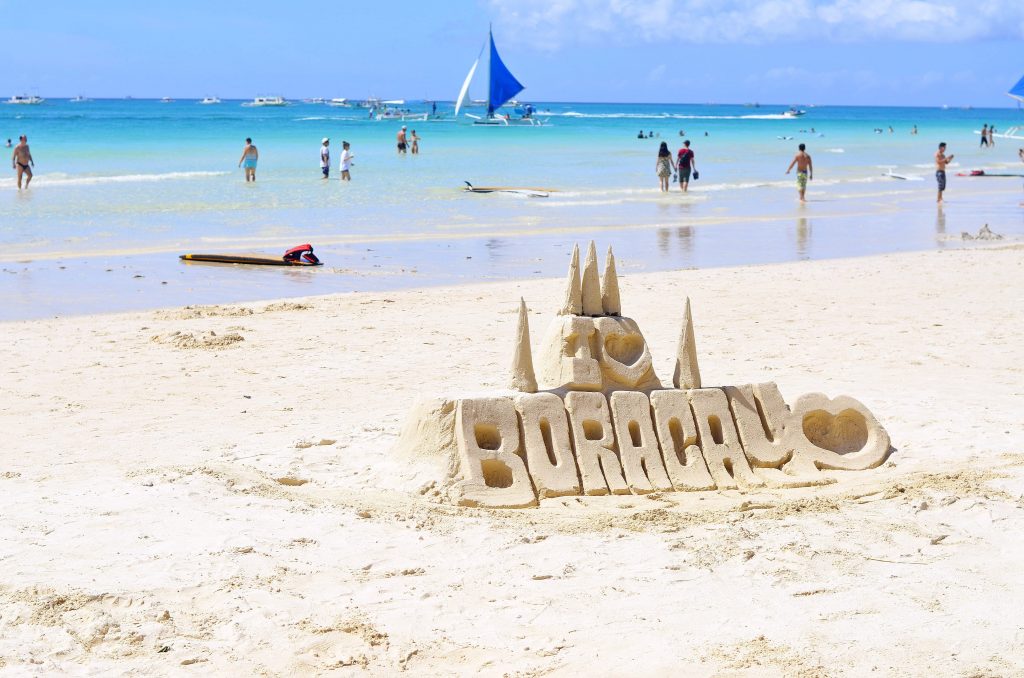
Famous for White Beach, Boracay is one of the most accessible and polished beach destinations in the country. After its environmental rehabilitation, the island now has stricter regulations and cleaner shorelines. Expect powdery sand, calm turquoise water, sunset sailing, and a wide range of resorts—from midrange to luxury. It’s ideal for travelers who want beautiful beaches with strong infrastructure, dining options, and nightlife. 👉 Boracay Travel Guide
Best for: Beach relaxation, water sports, sunset views
Palawan
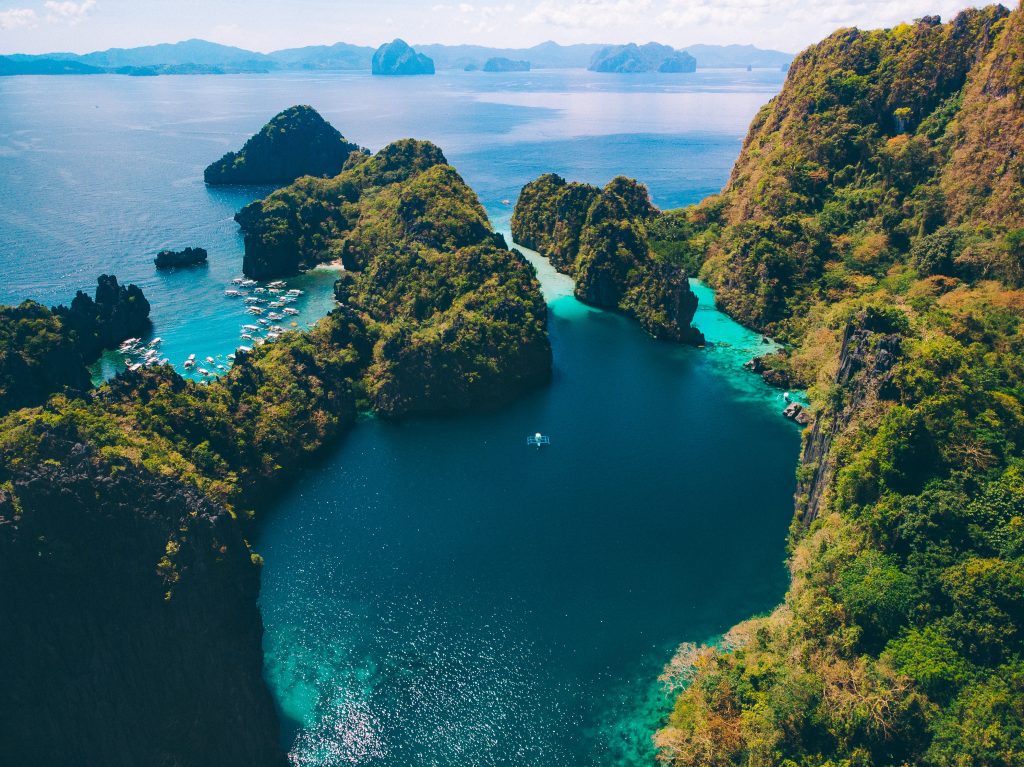
Often ranked among the world’s most beautiful islands, Palawan is known for dramatic limestone cliffs and clear lagoons. Highlights include island hopping in El Nido, shipwreck diving in Coron, and the Underground River near Puerto Princesa. Travel here requires planning due to boat schedules and weather. 👉 Palawan Travel Guide
Best for: Island hopping, snorkeling, scenic landscapes
Bohol
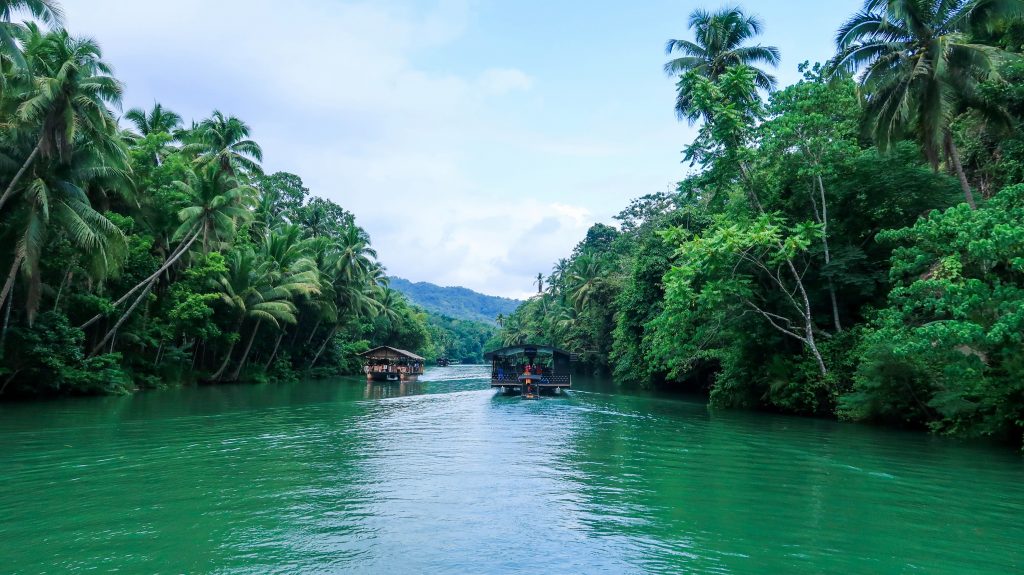
Bohol offers a mix of nature and relaxed beach life. Visit the famous Chocolate Hills, see tarsiers in conservation areas, and stay on nearby Panglao Island for diving and white-sand beaches. It’s compact and easy to explore in a few days.
Best for: Nature sights, light adventure, quieter beaches
Cebu
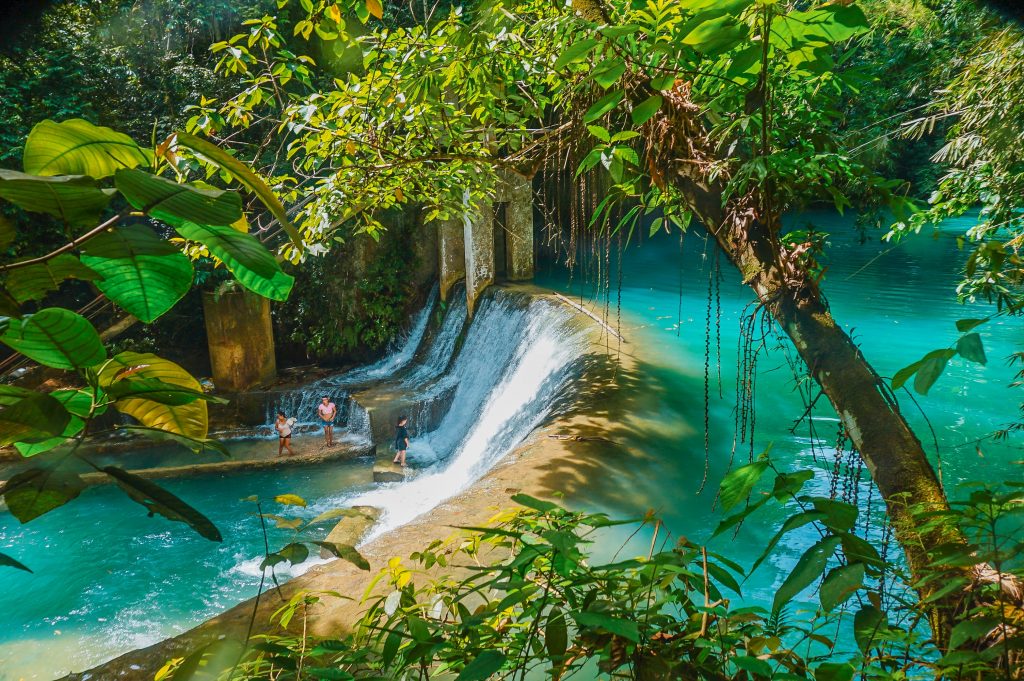
Cebu blends city access with outdoor adventure. Head south for waterfalls and canyoneering, snorkel with sardines in Moalboal, or relax on smaller offshore islands. Cebu is also a major transport hub, making it convenient for multi-island itineraries.
Best for: Adventure activities, diving, transport connections
Vigan
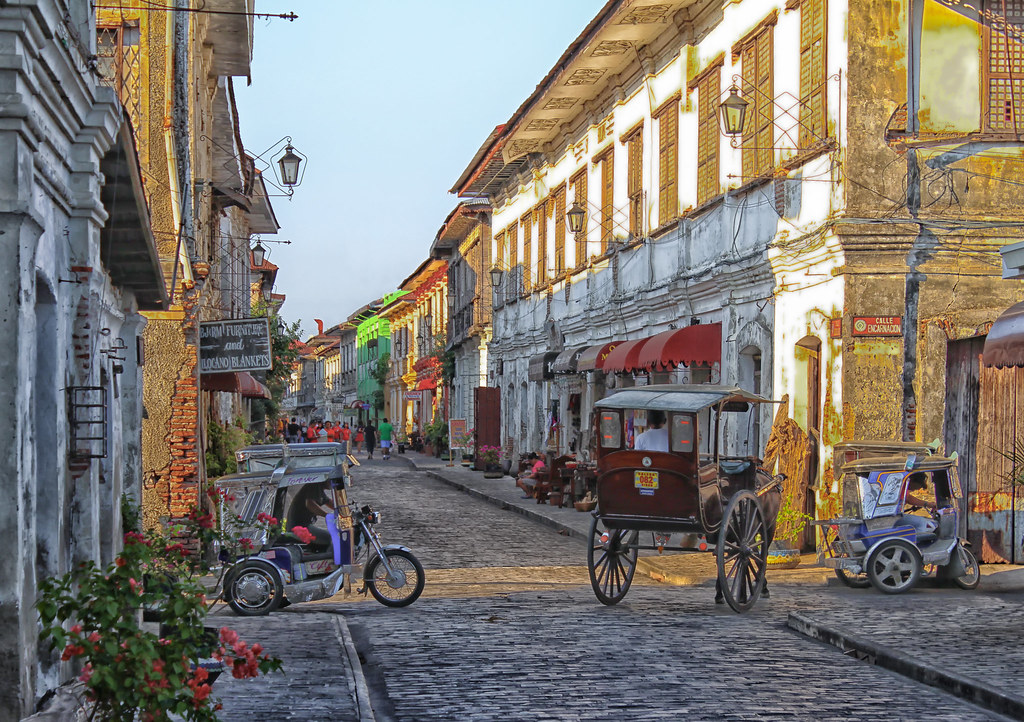
Located in northern Luzon, Vigan is known for its preserved Spanish colonial streets and architecture. It’s a cultural stop rather than a beach destination, ideal for travelers interested in history and heritage.
Best for: Colonial architecture, cultural travel
Banaue Rice Terraces
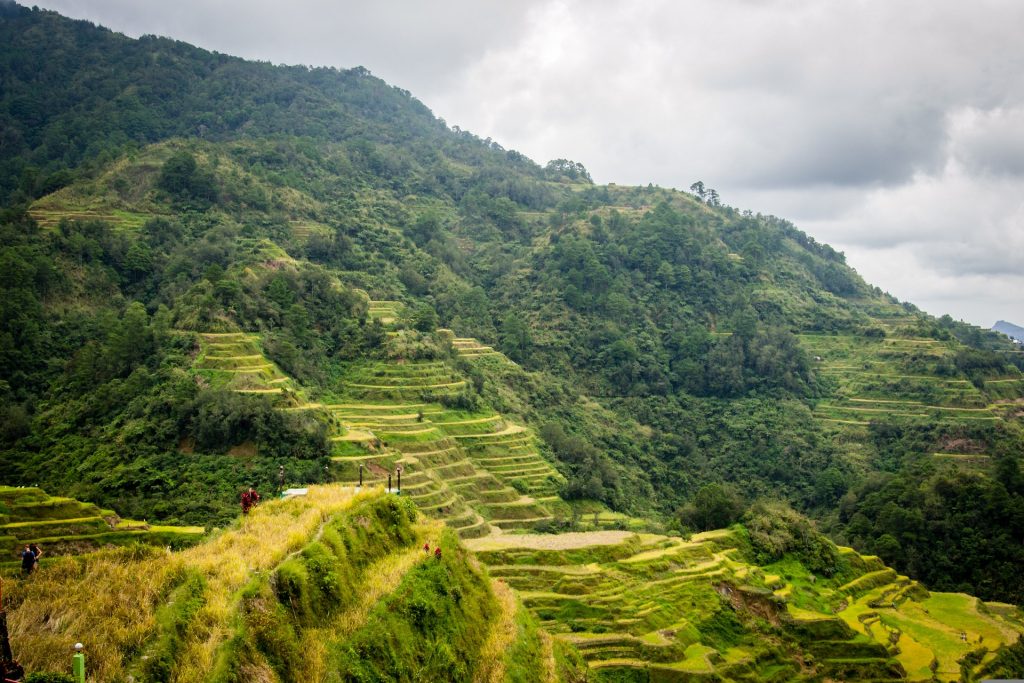
The Banaue Rice Terraces are among the country’s most iconic landscapes. These mountain-carved terraces offer trekking opportunities and insight into indigenous culture. Expect basic infrastructure and cooler temperatures compared to coastal areas.
Best for: Mountain scenery, trekking, cultural heritage
Siargao

Siargao is known as the country’s surfing capital, particularly around Cloud 9. Beyond surfing, you’ll find lagoons, island hopping tours, and a relaxed island vibe. Infrastructure is improving, but travel disruptions can occur during typhoon season. 👉 Siargao Travel Guide
Best for: Surfing, laid-back island life, younger travelers
Top Things to Do in the Philippines
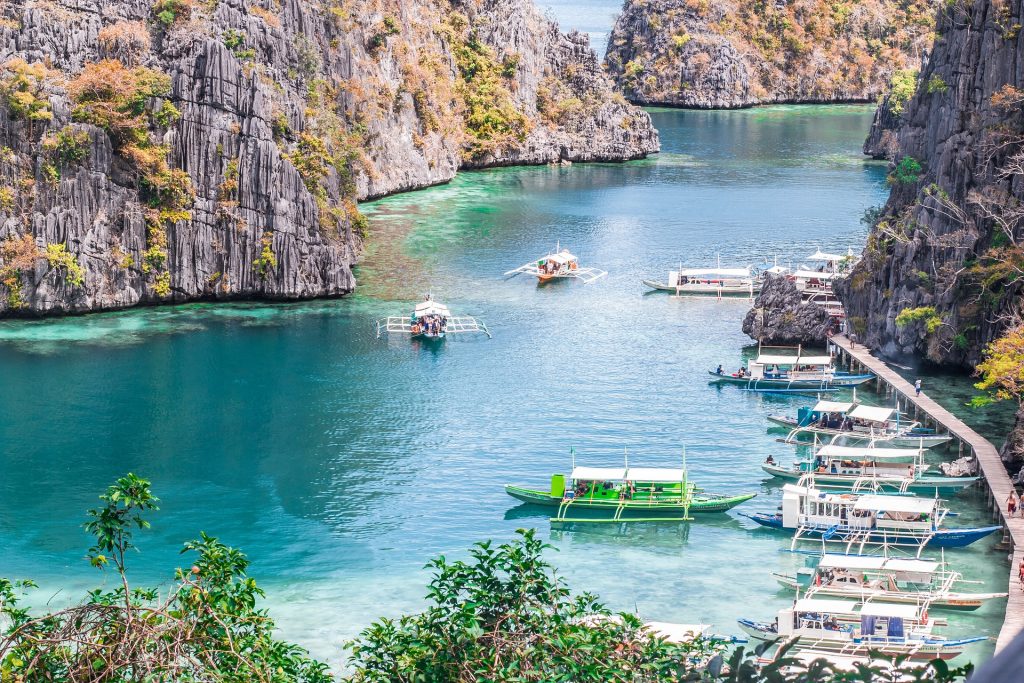
Most travelers visit the Philippines for its beaches, marine life, and unique island experiences. From swimming with whale sharks to exploring hidden lagoons, these are the best things to do in the Philippines.
Island Hopping in Palawan
Island hopping is one of the best things to do in the Philippines, especially in Palawan. Boat tours take you to limestone cliffs, secret lagoons, white-sand beaches, and crystal-clear snorkeling spots. The dramatic scenery and turquoise water make this one of the most visually stunning experiences in the country.
Swim with Whale Sharks in Cebu
Swimming with whale sharks is one of the most famous activities in the Philippines. These gentle giants can grow over 10 meters long, and seeing them up close is a bucket-list wildlife experience for many travelers.
Snorkel the Sardine Run
The sardine run is one of the most unique marine experiences in Southeast Asia. Massive schools of sardines move in synchronized formations just offshore, allowing visitors to snorkel directly from the beach and witness the spectacle up close.
Relax on White Sand Beaches
The Philippines is known for powdery white sand and warm, swimmable water. Many travelers come simply to unwind, swim, enjoy sunset views, and take part in water sports like paddleboarding, parasailing, and island boat tours.
Surf Tropical Waves
The country is also a top destination for surfing, with consistent waves attracting both beginners and experienced surfers. Beyond surfing, visitors enjoy a laid-back island atmosphere and natural coastal scenery.
Snorkel and Dive Coral Reefs
As part of the Coral Triangle, the Philippines offers rich marine biodiversity. Snorkelers and divers can expect colorful coral reefs, tropical fish, sea turtles, and even historic shipwrecks in certain regions.
Visit the Banaue Rice Terraces
For those wanting to explore beyond beaches, the Banaue Rice Terraces provide mountain scenery and cultural heritage. The terraces, carved into steep slopes centuries ago, showcase traditional farming practices that continue today.
Swim in Waterfalls and Go Canyoneering
Adventure seekers can hike to jungle waterfalls with clear blue pools and join guided canyoneering tours that involve trekking, climbing, and jumping into natural river formations.
Klook.comFestivals and Cultural Events
If your trip aligns with local festivals, they offer a glimpse into Filipino culture. Major events include:
Sinulog Festival – January Ati‑Atihan Festival – January MassKara Festival – October
These festivals feature street dancing, parades, and celebrations, but most travelers plan their trips primarily around beaches and island destinations.
How to Get Around the Philippines
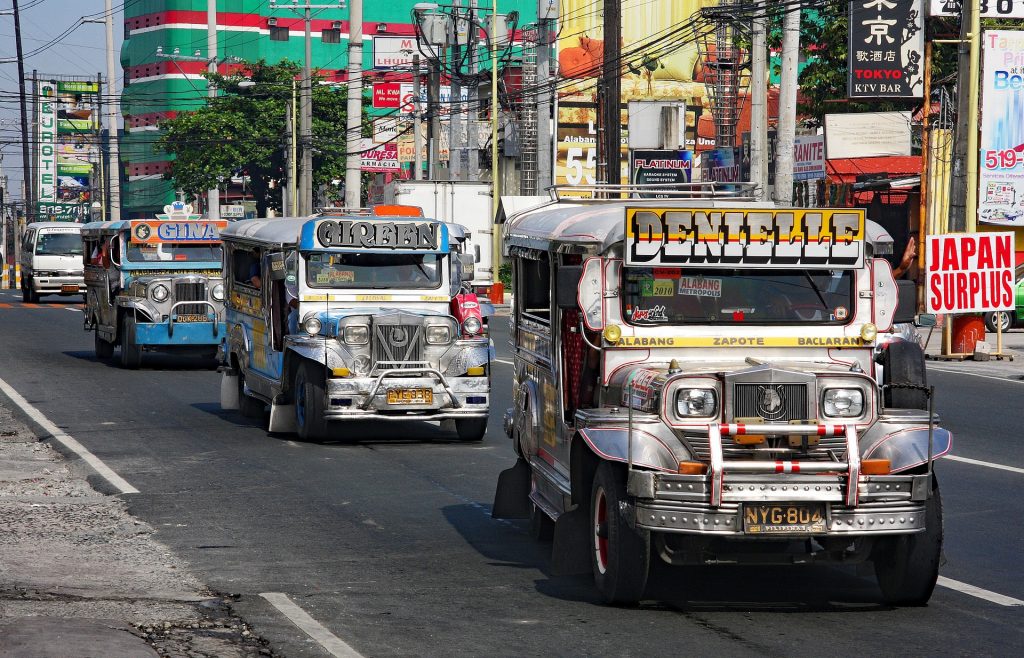
Getting around the Philippines requires planning because the country is spread across thousands of islands. Domestic flights are often the fastest and most practical way to travel long distances, while boats, vans, and local transport help you move within islands. Travel days can take longer than expected due to weather, ferry schedules, and infrastructure, so it’s important to allow buffer time between destinations.
Domestic Flights — Flying is the most efficient way to travel between major islands such as Cebu, Palawan, and Boracay. Budget airlines offer frequent routes between major tourist hubs, and flights typically take 1–2 hours instead of full-day ferry journeys. Booking early helps secure better prices, especially during peak season.
Ferries and Boats — Ferries connect many nearby islands and are often the only option for certain destinations. They range from fast ferries to slower overnight boats. While ferries are scenic and affordable, delays and cancellations can occur due to weather, particularly during rainy season.
Vans and Buses — Minivans and buses are the primary way to travel between towns and tourist areas on the same island. Vans are faster but more cramped, while buses are slower but more comfortable. These are widely used in places like Cebu, Bohol, and Luzon.
Grab, Taxis, and Private Transfers — In larger cities, ride-hailing apps like Grab are the safest and most convenient way to get around. Taxis are available but always ensure the meter is used. Private transfers are also common for airport pickups and hotel transfers.
Tricycles and Motorbikes — Tricycles are the most common local transport for short distances in smaller towns and islands. They’re inexpensive and widely available, but fares are often negotiated. Motorbike rentals are also popular for exploring islands independently, though road conditions can vary.
Important Travel Tips for Getting Around
- Flying is often necessary — ferries alone cannot efficiently connect all major destinations
- Plan buffer days — weather and delays are common
- Book flights early — prices increase closer to departure
- Use Grab when available — safer and more transparent pricing
- Expect slower travel logistics compared to Thailand or Vietnam
Philippine Peso: Exchange Rates & Money Tips
The official currency of the Philippines is the Philippine Peso (PHP), symbolized as ₱. Banknotes come in ₱20, ₱50, ₱100, ₱200, ₱500, and ₱1,000 denominations, while coins range from centavos up to ₱20. We recommend using a Travel Card or Debit Card with no ATM fees.
Philippines Peso Currency best money conversion data courtesy coinmill.com
Cost of Travel in the Philippines: Is It Expensive?
The Philippines is often marketed as a budget destination, but in reality, travel costs can be higher than other Southeast Asian countries like Thailand or Vietnam—especially once you factor in domestic flights and island transfers.
Accommodation ranges widely:
- Budget guesthouses: affordable but basic
- Midrange beach hotels: moderately priced
- Island resorts: can be expensive for the level of infrastructure
Food is reasonably priced at local eateries, but Western restaurants, imported goods, and tourist-area dining add up quickly. Transportation between islands (flights + boat transfers) is one of the biggest cost factors.
While you can travel cheaply with careful planning, the Philippines is not always the best value-for-money destination in the region unless your main priority is beaches, snorkeling, and marine activities. Travelers focused on island hopping and ocean experiences often find the scenery worth the extra cost.
| Average Meal in Restaurant | 500 ₱ | $9 |
| Beer in Restaurant or Bar | 112 ₱ | $2 |
| Bottle of Mineral Water | 23₱ | $0.40 |
| Apartment Rural | 11,000 ₱ | $190 |
| Apartment City Center | 20,000 ₱ | $346 |
| Average Monthly Net Salary | 20,000 ₱ | $346 |
SIM Cards & Internet
Mobile internet in the Philippines is usable but not always reliable. While coverage is generally good in major cities and tourist areas, signal strength can drop inside buildings, on boats, and on smaller islands. Short outages and slow speeds are common, especially outside major urban centers. Travelers should not expect the same level of consistency as in countries like Singapore, South Korea, or Japan.
The two main providers are Globe and Smart, both offering prepaid tourist SIM cards with data packages. Coverage quality varies by location, so one network may perform better than the other depending on the island. SIM cards are easy to purchase at airports, malls, and phone shops, and most plans include large data allowances valid for 15 to 30 days. eSIM options are also available and are convenient if your phone supports them.
Electrical Outlets and Power
The Philippines uses a 220V supply voltage with Type A, Type B, and Type C outlets. Travelers from the United States can usually plug in devices without an adapter, but a travel adapter is still useful since outlet types vary between hotels and islands. Power outages can occasionally occur in smaller towns, so carrying a portable power bank is recommended.
*As an Amazon, Agoda, Klook, and TravelGuide Associate, I earn from qualifying purchases.
Filipino Culture and Etiquette
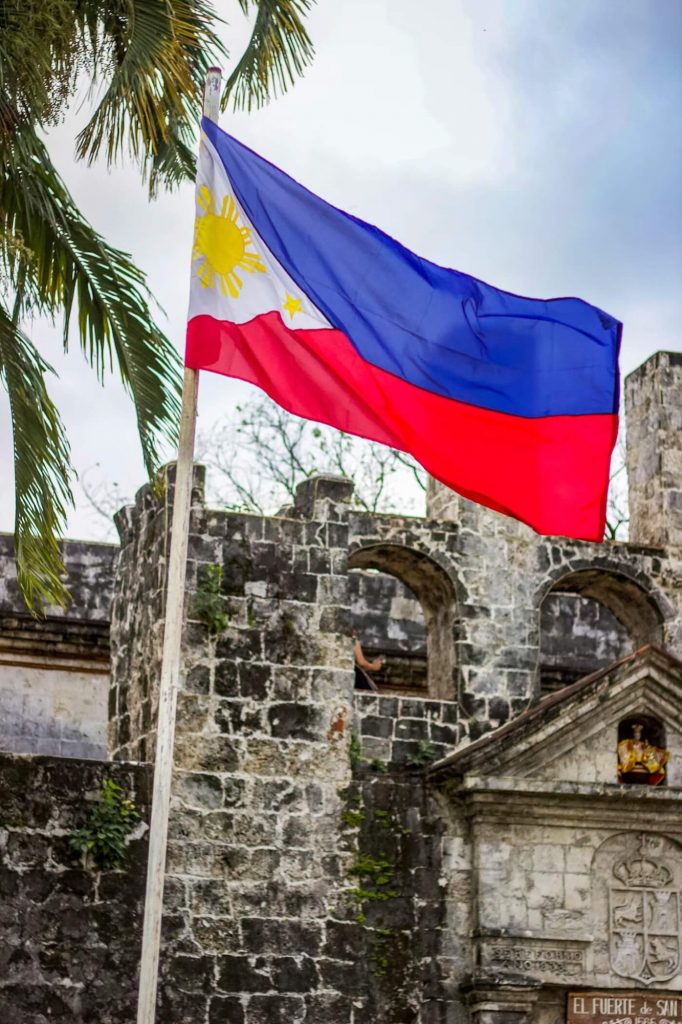
The Philippines has a unique cultural identity shaped by Spanish and American influence, mixed with traditional Asian values. You’ll notice Spanish-era churches, Western-style malls, and widespread English usage alongside strong family traditions and local customs. Catholicism plays a major role in daily life, and religious festivals and holidays are celebrated throughout the year.
Filipinos are widely known for being friendly, welcoming, and helpful to visitors. Hospitality is an important part of the culture, and locals often go out of their way to assist travelers. Respect is also highly valued, especially toward elders. It’s common to use polite titles such as ate (older sister) and kuya (older brother) when addressing someone slightly older, even if they are not family.
When visiting, it’s important to remain polite, patient, and respectful. Avoid raising your voice, criticizing the country openly, or showing frustration in public. Maintaining a calm and friendly attitude will lead to much better interactions and experiences.
Cultural etiquette tips:
- Be polite and respectful in conversations
- Show respect toward elders and local customs
- Remove shoes when entering someone’s home if requested
- Dress appropriately when visiting churches or religious sites
- Filipinos value friendliness and humility
Languages Spoken in the Philippines
Filipino and English are the official languages, and English is widely spoken throughout the country. Most people working in tourism, hotels, restaurants, and transportation speak good English, making the Philippines one of the easiest Asian countries for English-speaking travelers to navigate.
There are also many regional languages, including Cebuano, Ilocano, and Hiligaynon. While you don’t need to learn Filipino to travel comfortably, using simple words like salamat (thank you) is appreciated and helps build positive interactions.
Filipino Cuisine: Dishes to Try
Food in the Philippines is very different from Thai, Vietnamese, or Japanese cuisine. Filipino dishes are heavier, rice-based, and often balance salty, sour, and slightly sweet flavors. Spanish, Chinese, and American influences are noticeable, but the cuisine has its own identity. While it may not be the main reason most travelers visit, trying local food is an important part of understanding the culture. 👉 12 Filipino Dishes To Try
Here are essential Filipino dishes to try:
Adobo
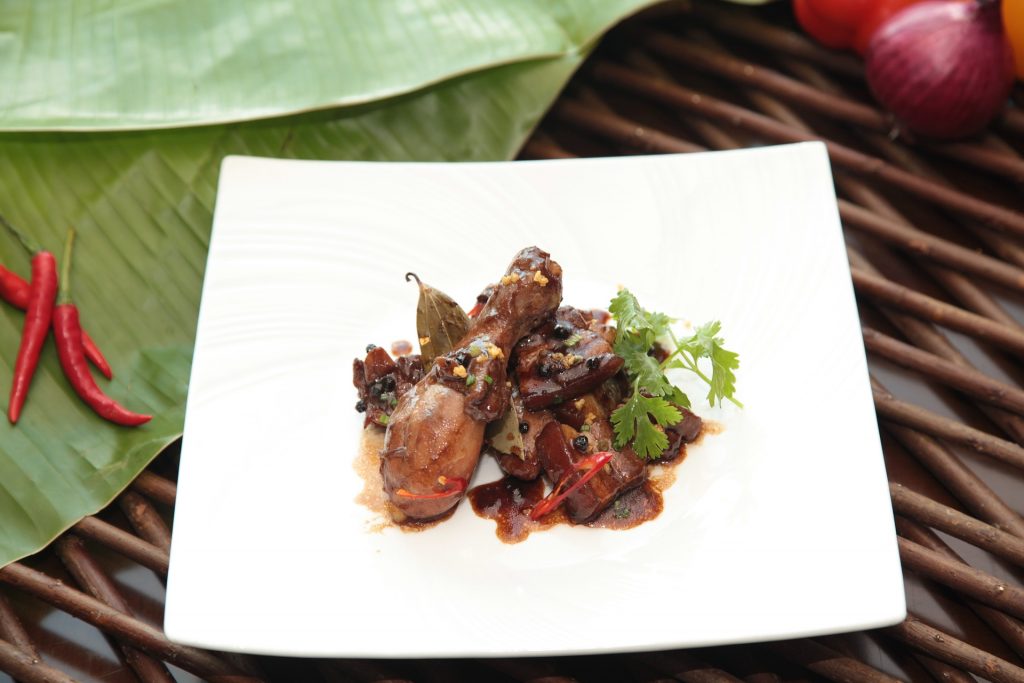
Often considered the national dish, adobo is typically made with chicken or pork simmered in vinegar, soy sauce, garlic, bay leaves, and peppercorns. The slow cooking process creates tender meat with a rich, tangy flavor. Every region and household has its own variation.
Sisig
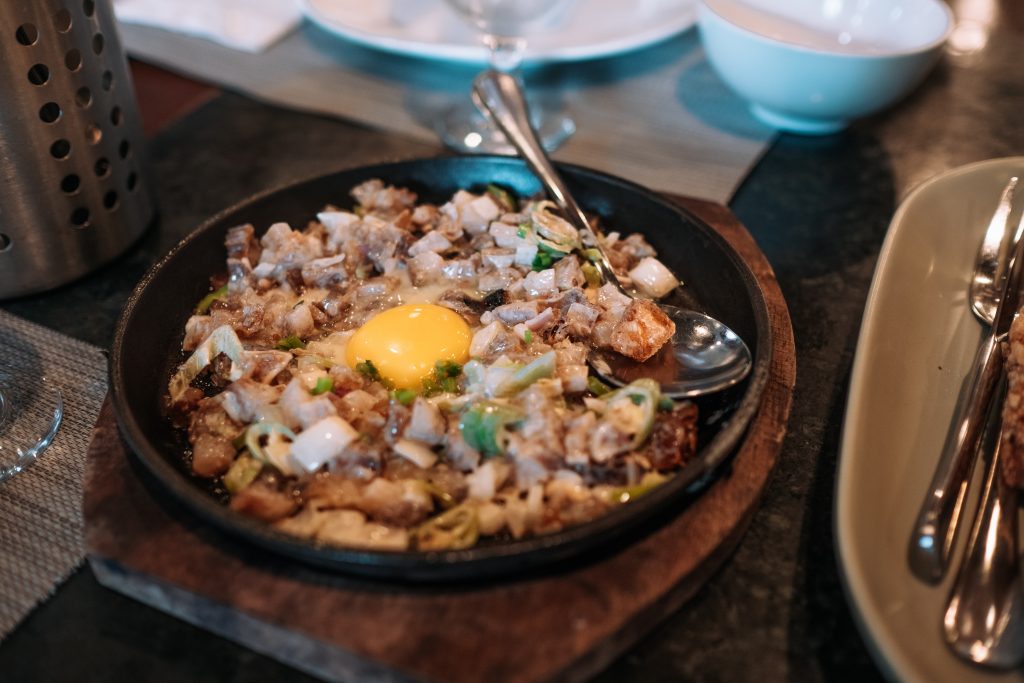
Originating from Pampanga, sisig is finely chopped pork (traditionally including face and belly cuts) seasoned with calamansi, onions, and chili. It’s usually served on a sizzling plate and is popular as bar food, often paired with beer.
Lechon

Lechon is whole roasted pig, cooked over charcoal for hours until the skin becomes crispy and the meat remains juicy. It’s commonly served at celebrations and fiestas and is considered one of the most iconic Filipino dishes.
Sinigang
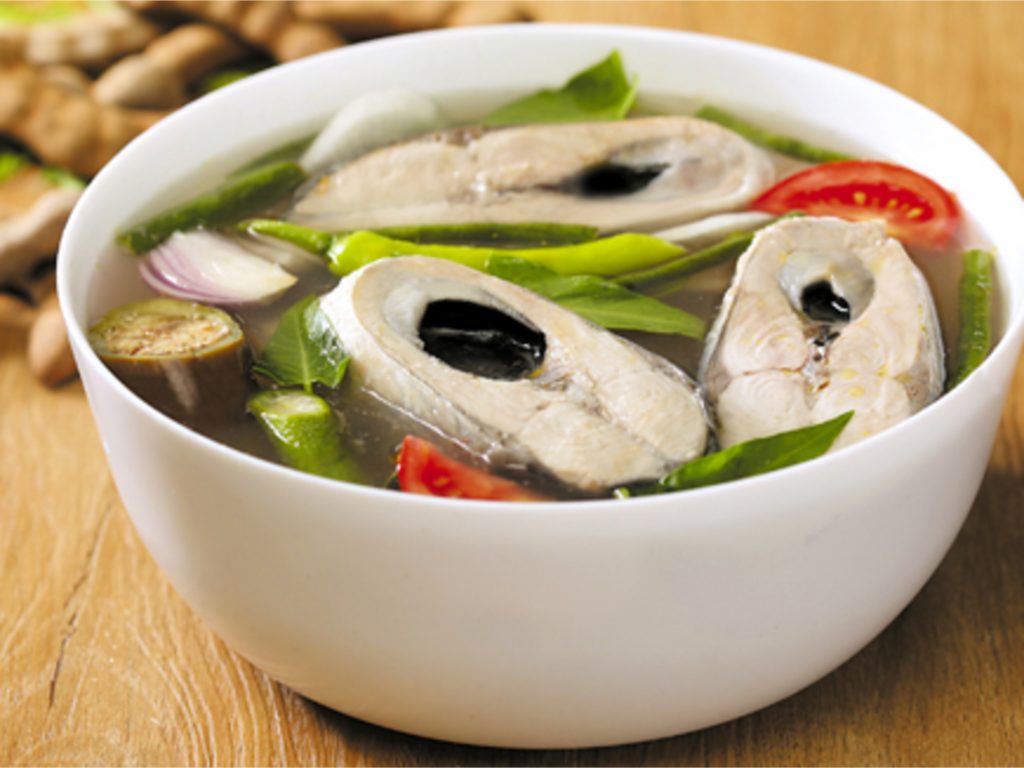
Sinigang is a sour soup made with pork, shrimp, fish, or beef, flavored with tamarind or other sour fruits. It includes vegetables like water spinach, radish, and eggplant and is almost always served with rice. The sour broth makes it one of the more refreshing traditional dishes.
Pancit
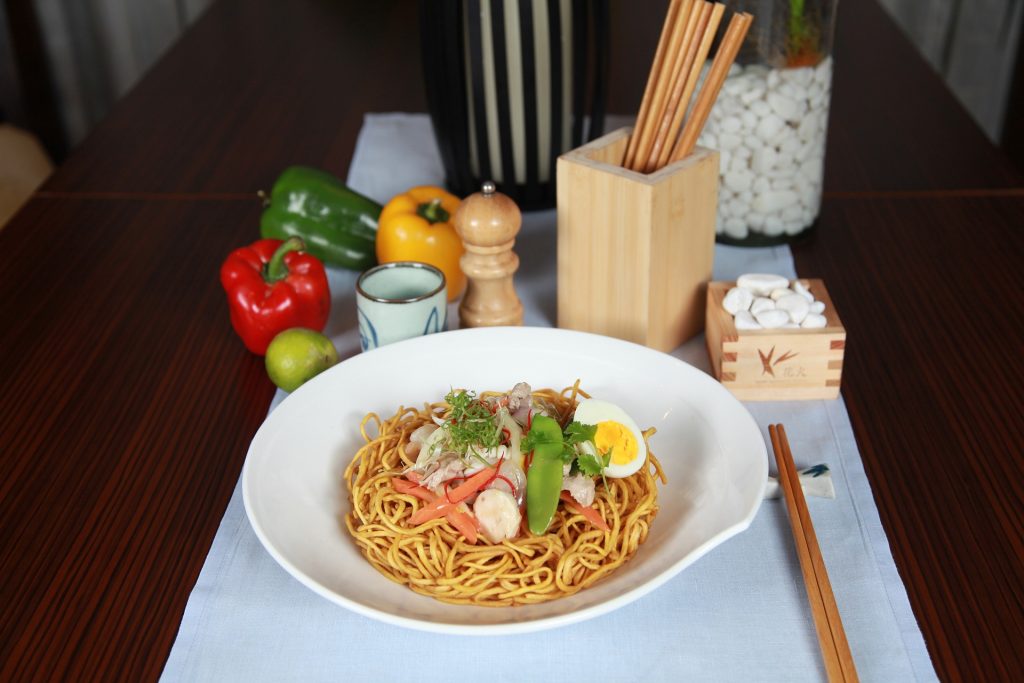
Pancit refers to a variety of Filipino noodle dishes influenced by Chinese cooking. Different versions use egg noodles, rice noodles, or glass noodles stir-fried with vegetables, meat, and seafood. It’s commonly served at gatherings and symbolizes long life.
Halo-Halo
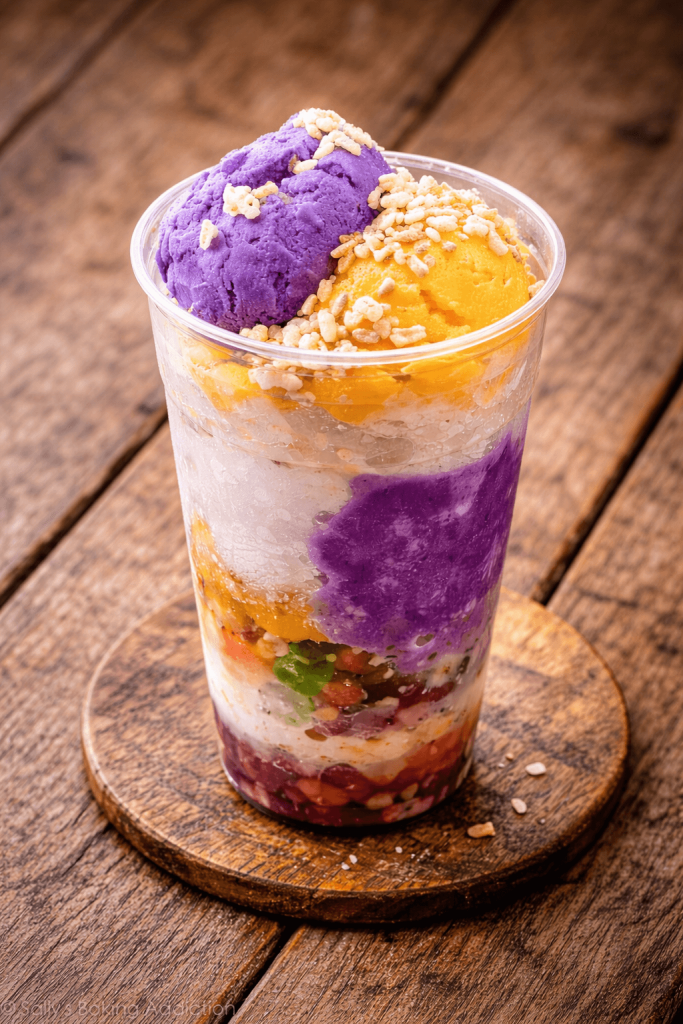
For dessert, try halo-halo, a layered mix of shaved ice, sweet beans, fruit, jellies, and condensed milk topped with ice cream. It’s especially popular during the hot season.
Nightlife and Entertainment in the Philippines
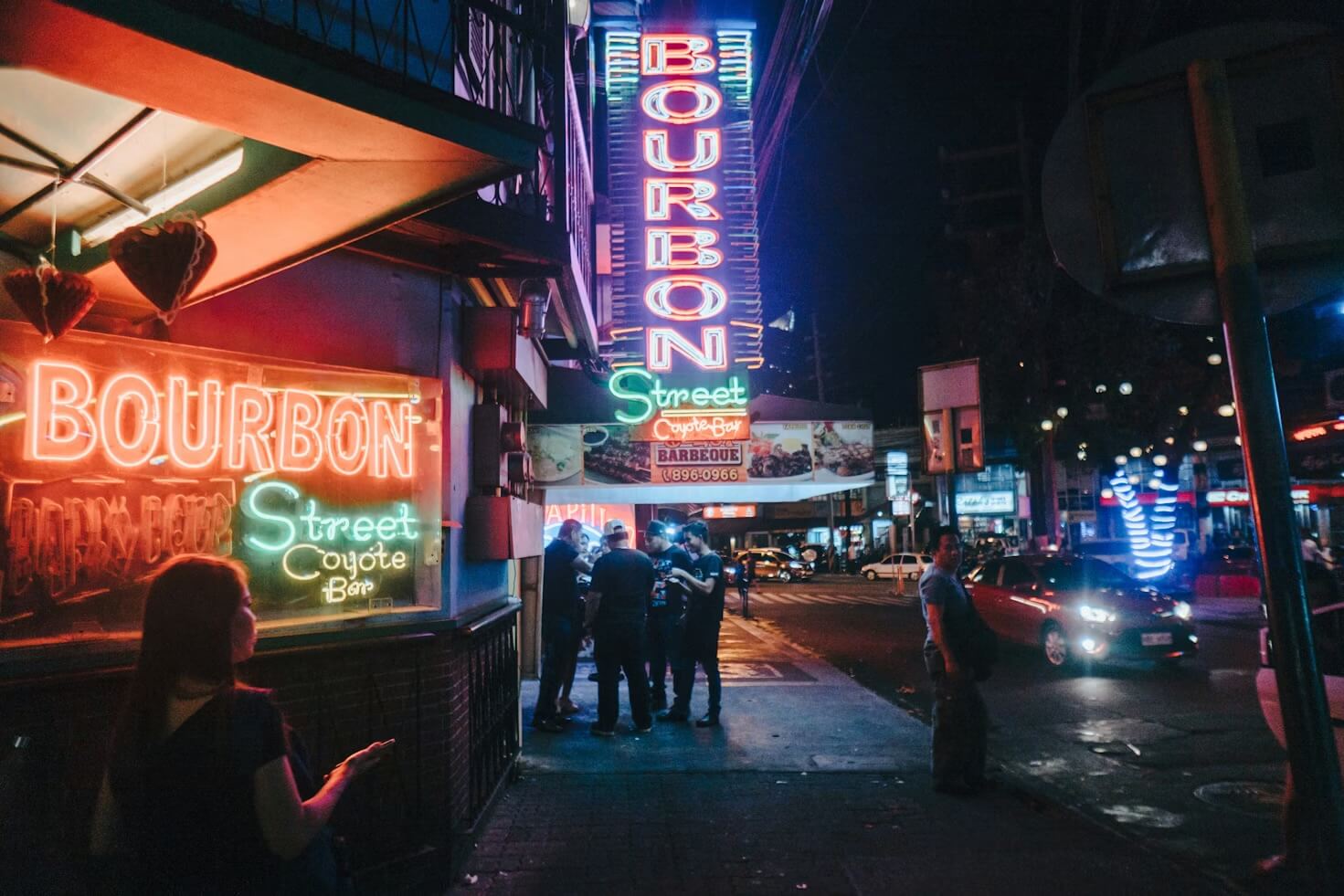
Nightlife in the Philippines is centered around beach destinations and major cities. While it’s not the main reason most people visit, travelers can still find lively bars, rooftop lounges, beach clubs, and night markets.
- Boracay — Boracay offers the best nightlife in the Philippines, especially along White Beach. Beachfront bars, live music, fire dancers, and sunset cocktails create a relaxed but energetic atmosphere. Most venues are walkable and located directly on the sand.
- Makati (Manila) — The Makati area in Manila is known for rooftop bars, cocktail lounges, and modern nightlife. The Poblacion district is especially popular for its trendy bars, international restaurants, and younger crowd.
- Angeles City – Fields Avenue (Nightlife): Discover the renowned Fields Avenue in Angeles City, famous for its dynamic walking street featuring an array of bars, clubs, and entertainment venues. It’s a hub for nightlife enthusiasts.
- Cebu City – Cebu City has a growing nightlife scene with clubs, live music venues, and late-night restaurants. Areas like IT Park and Mango Avenue are popular with locals and travelers.
- Night Markets and Local Entertainment: Immerse yourself in the trendy Poblacion District in Makati, offering a mix of walking streets and diverse nightlife options. Enjoy rooftop bars, speakeasies, and live music venues.
Is the Philippines Safe?
Yes — the Philippines is generally safe for travelers, and millions of tourists visit every year without issues. One thing you’ll notice immediately is the presence of armed security guards at malls, hotels, banks, and even some restaurants. This can feel surprising at first, but it’s actually a normal part of daily life and exists to prevent problems, not because danger is common.
Security guards are especially visible in major cities like Manila and Cebu City, where they protect private businesses. Their presence makes places like shopping malls and tourist areas feel very controlled and secure.
Travel Insurance
Travel insurance is highly recommended when visiting the Philippines. While most trips go smoothly, unexpected issues like flight delays, lost luggage, motorbike accidents, or medical emergencies can be expensive without coverage.
Healthcare in major cities is modern and affordable, but private hospitals often require payment upfront. Travel insurance protects you from these sudden costs and gives you access to better medical facilities without financial stress.
Essential Travel Tips
Internet isn’t always reliable
Mobile data works well in cities but can be slow, unstable, or completely unavailable inside buildings, malls, elevators, and remote islands. Signal outages happen occasionally, so don’t rely on internet access 100% of the time.
- Download maps, hotel confirmations, and important information in advance.
Cash is still king
Many places accept cards, but smaller restaurants, ferries, local markets, and island businesses often only accept cash.
- Always carry small bills
- ATMs are widely available in cities
- Remote islands may have limited or no ATMs
Transportation takes longer than expected
Distances may look short on a map, but traffic, ferries, and infrastructure slow things down.
Flights between islands are often the fastest option.
Using Grab is the safest and easiest way to get around major cities.
Plan around island geography
The Philippines has over 7,000 islands, so travel requires planning. Ferries, flights, and weather can affect schedules. Avoid tight connections and allow buffer days.
Expect excellent hospitality
Filipinos are some of the friendliest people in Southeast Asia. English is widely spoken, making communication easy for travelers. Locals are helpful, welcoming, and used to tourists.
Philippines Travel Guide Conclusion
The Philippines is a destination that effortlessly blends world-class beaches, vibrant cities, rich culture, and unforgettable cuisine into one affordable luxury experience. Whether you’re island hopping across turquoise waters, exploring lively neighborhoods, or tasting iconic Filipino dishes, every moment feels authentic and rewarding. Beyond the scenery, the genuine warmth and hospitality of the Filipino people leave the strongest impression. For travelers seeking tropical beauty, diverse adventures, and incredible value, the Philippines stands out as one of the most memorable and worthwhile destinations in Southeast Asia.
What are the must-visit Philippines destinations?
Explore the pristine beauty of Boracay’s beaches, immerse in the rich history of Manila, and discover the breathtaking landscapes of Palawan.
Can you recommend some hidden gems for Philippines beaches?
Venture beyond the popular spots and discover the serene charm of Dahican Beach in Mindanao or the untouched beauty of Nacpan Beach in Palawan.
What unique Filipino cuisine experiences should I try?
Indulge in local delights like Adobo, Sinigang, and Lechon, and don’t miss the chance to savor street food specialties such as balut and isaw for an authentic culinary adventure.
Any essential Philippines travel tips for first-timers?
Embrace the vibrant local culture, stay hydrated in the tropical climate, and be open to trying new foods. Also, plan your itinerary to include both popular tourist spots and off-the-beaten-path experiences.
What’s the best time to visit for optimal Philippines beach weather?
Plan your trip during the dry season from November to April for sunny days and calm seas, ensuring an ideal environment to enjoy the diverse beauty of Philippines beaches.


