
Thailand is one of the most visited countries in Southeast Asia — and for good reason. From world-class beaches and tropical islands to vibrant cities, rich culture, and incredible food, this Thailand travel guide covers everything you need to plan an unforgettable trip. You’ll find the best places to visit in Thailand, practical travel tips before you arrive, transportation advice for getting around, and essential costs to expect on the ground. Whether you’re backpacking, slow traveling, or planning a mid-range to luxury escape, this 2026 guide will help you travel Thailand smarter and with confidence.
Thailand Travel Guide
Why Visit Thailand?
Thailand is one of the most rewarding destinations in Asia, offering an unmatched mix of tropical scenery, rich culture, and exceptional value for travelers. Whether you’re planning your first international trip or returning for another extended stay, Thailand delivers variety without complexity.
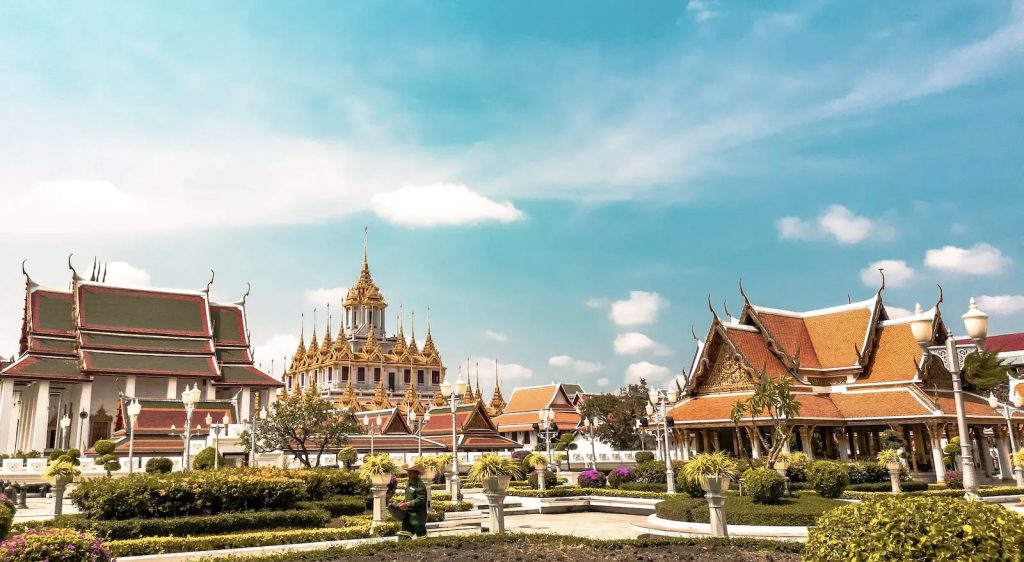
Travelers come for the world-class beaches and islands, from limestone cliffs in Krabi to powder-soft sand in the Gulf of Thailand. Food lovers are drawn to Thailand’s legendary cuisine, where street food stalls and local restaurants serve some of the best meals in the world at affordable prices. Culture seekers can explore ancient temples, historic cities, and traditional festivals that reflect centuries of history and deep-rooted customs.
Thailand is also one of the easiest countries in Southeast Asia to travel, thanks to excellent tourist infrastructure, reliable transportation, and a well-established hospitality industry. It’s safe, welcoming, and suitable for every travel style — from backpackers and digital nomads to couples and luxury travelers.
Add in warm weather year-round, friendly locals, and endless things to do, and it’s easy to see why Thailand continues to rank among the best places to visit in Asia.
Best Places to Visit in Thailand
Thailand offers an incredible range of destinations, from energetic cities and ancient capitals to jungle-covered mountains and world-famous islands. Whether you’re interested in culture, beaches, food, or nature, these are some of the best places to visit in Thailand for first-time and returning travelers.
Bangkok – Culture, Food & Urban Energy
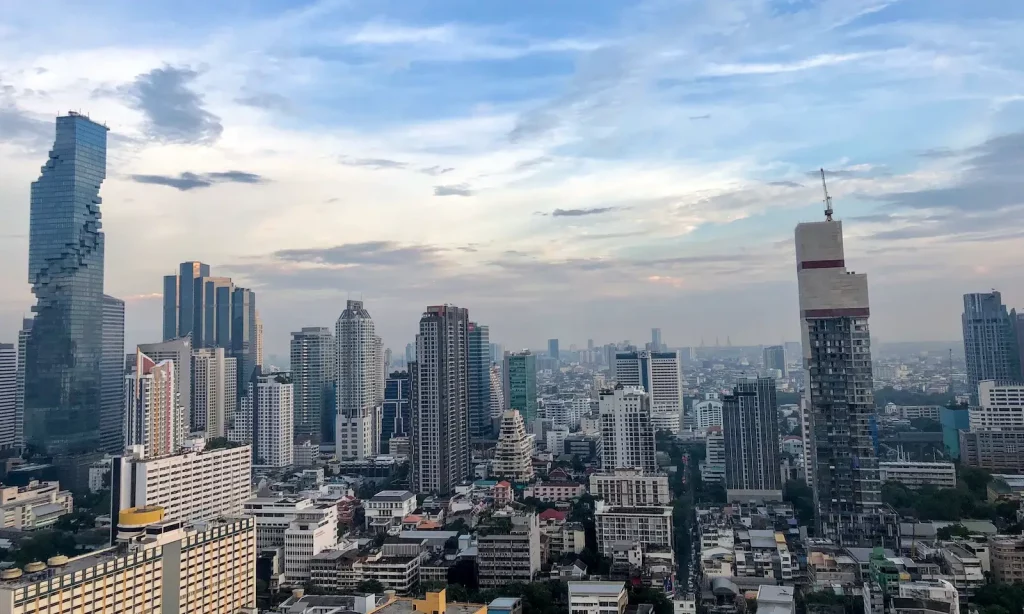
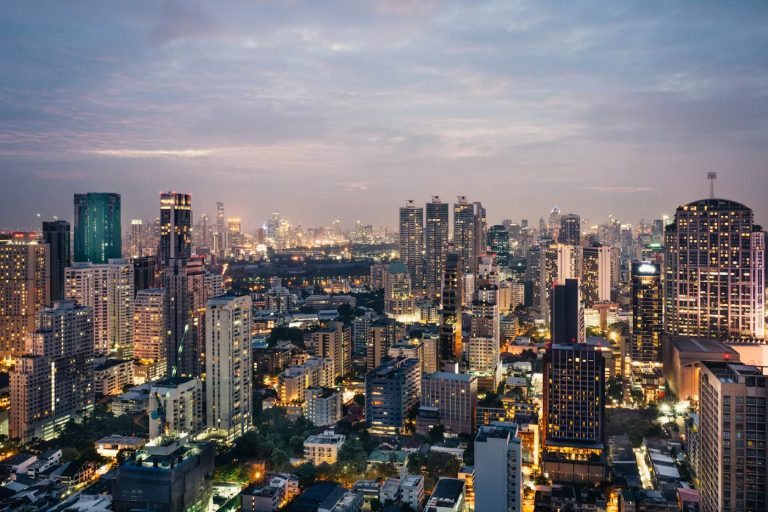
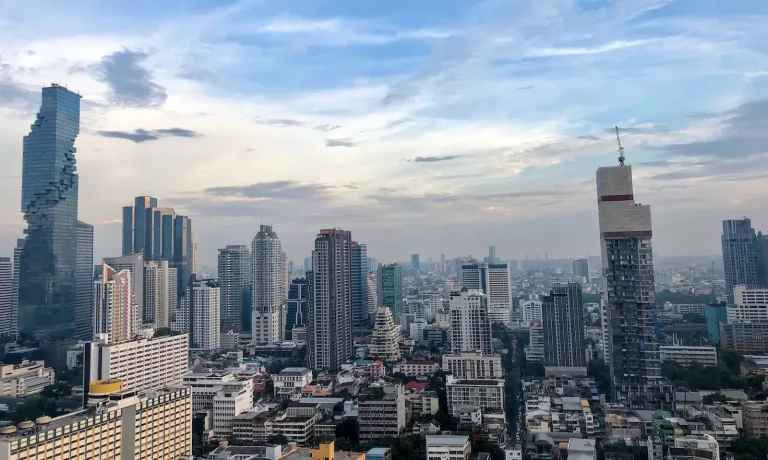
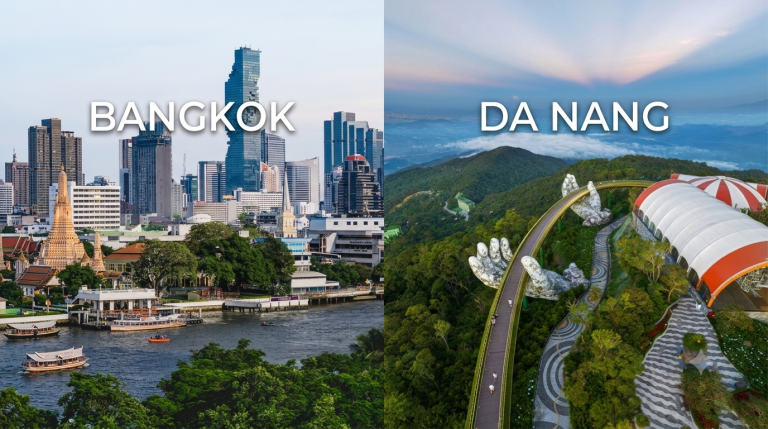
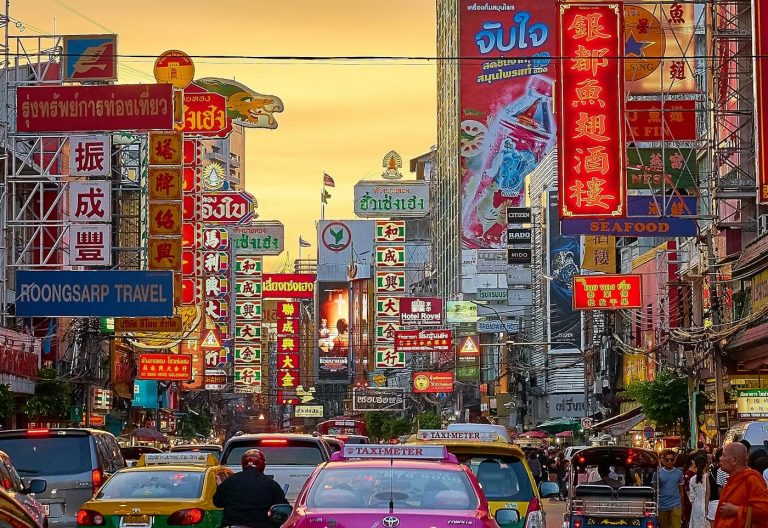
Bangkok is Thailand’s vibrant capital and the gateway for most travelers. The city blends historic temples with modern skyscrapers, rooftop bars, and some of the best street food in the world. Highlights include the Grand Palace, Wat Pho, floating markets, and lively neighborhoods like Chinatown and Sukhumvit.
👉 Bangkok Travel Guide
Chiang Mai – Northern Thailand
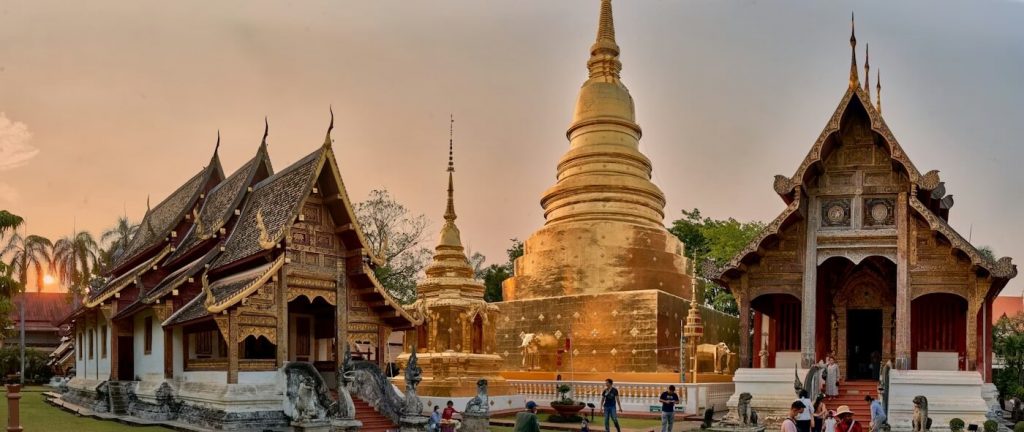
Located in the mountains of northern Thailand, Chiang Mai is known for its relaxed pace, ancient temples, and creative scene. Visitors can explore the Old City, night markets, surrounding national parks, and seasonal festivals like Yi Peng and Songkran.
👉 Chiang Mai Travel Guide
Phuket – Beaches, Islands & Nightlife
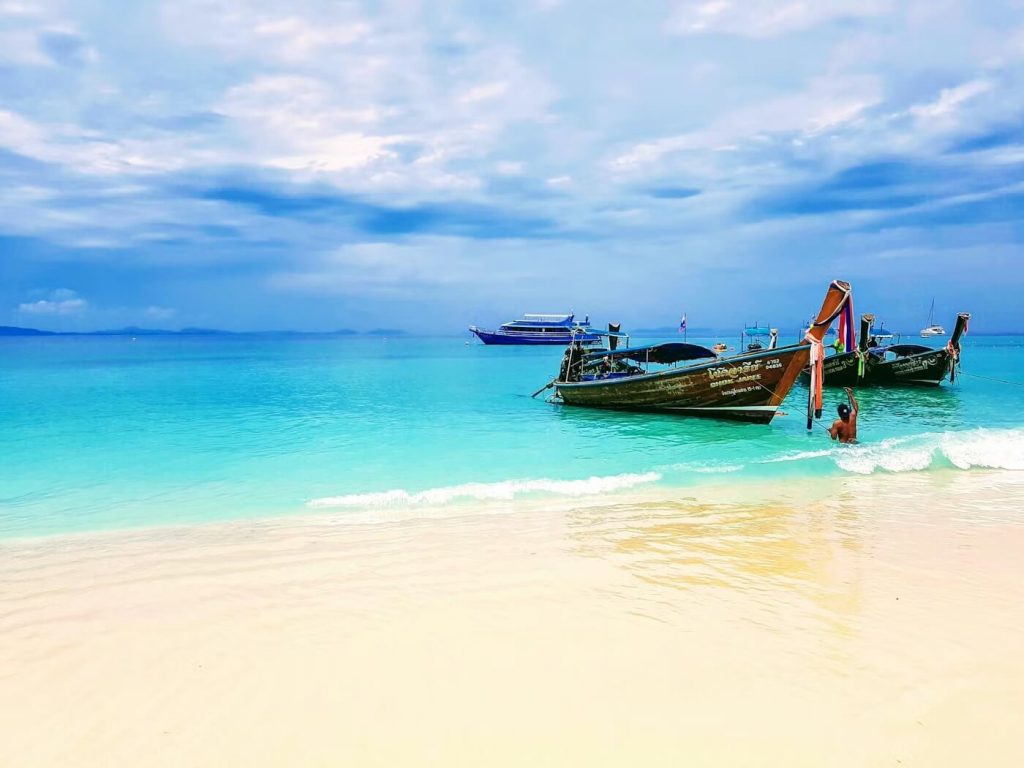
Phuket is Thailand’s largest island and one of its most popular beach destinations. It offers everything from lively nightlife in Patong to quieter beaches like Kata and Nai Harn, along with easy access to island-hopping tours in the Andaman Sea.
👉 Phuket Travel Guide
Krabi – Limestone Cliffs & Island Scenery
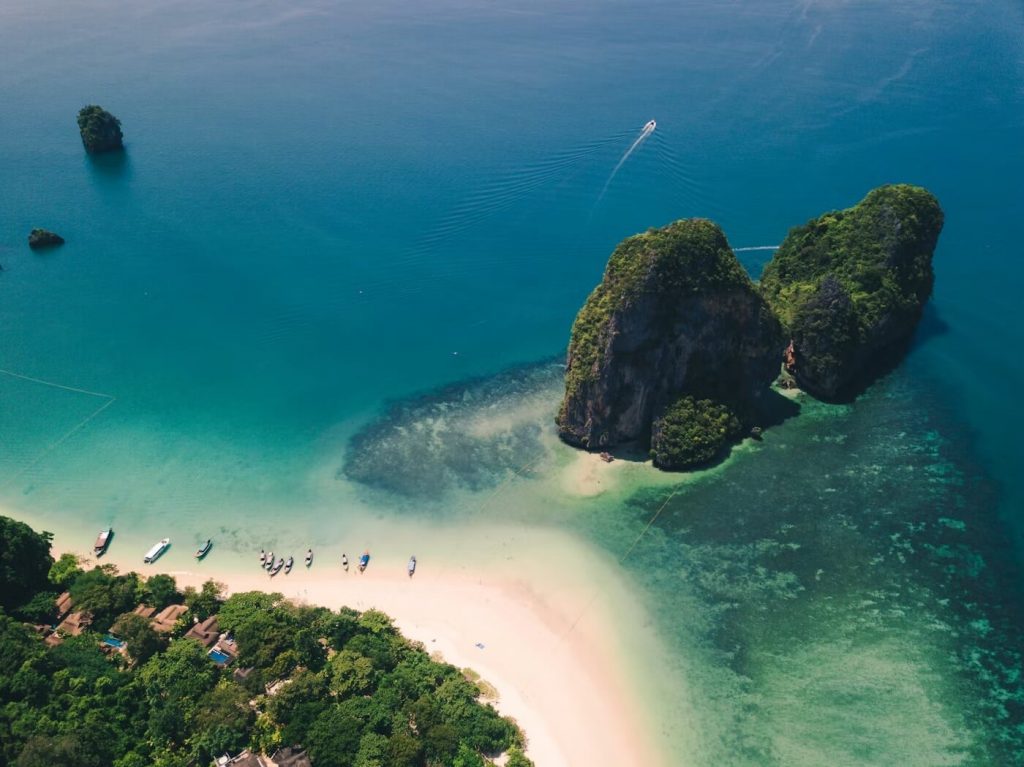
Krabi is famous for its dramatic limestone cliffs, turquoise waters, and laid-back beach towns. Railay Beach and nearby islands such as Koh Phi Phi make Krabi one of the most visually stunning places to visit in Thailand.
👉 Krabi Travel Guide
Koh Samui – Tropical Island Getaway

Koh Samui combines palm-lined beaches, upscale resorts, and lively beach towns with easy accessibility. It’s a popular choice for couples, long-term travelers, and those looking for a balance of relaxation and activities.
👉 Koh Samui Travel Guide
Ayutthaya – Ancient Capital of Siam
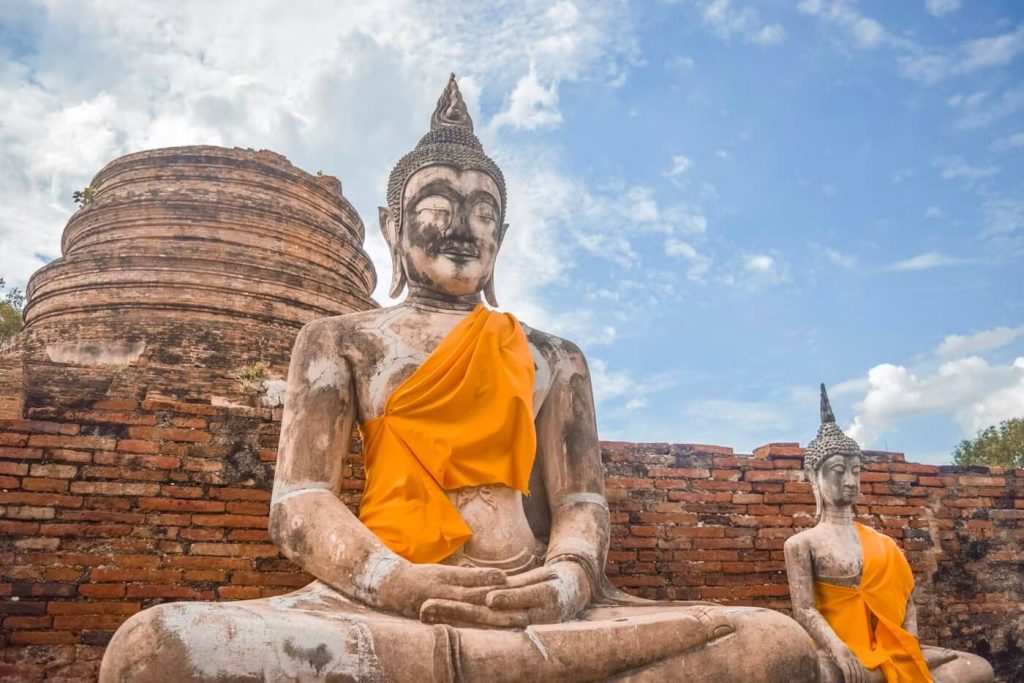
A short trip from Bangkok, Ayutthaya is a UNESCO World Heritage Site known for its temple ruins and historical significance. Exploring the former capital by bicycle or boat offers a glimpse into Thailand’s royal past.
Sukhothai – Birthplace of Thai Civilization
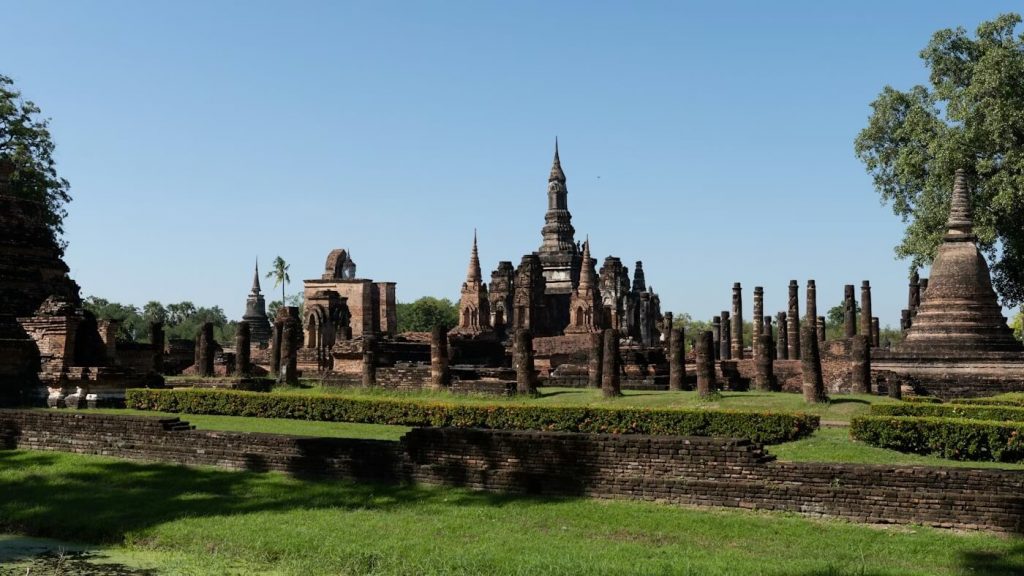
Sukhothai Historical Park showcases the early foundations of Thai culture. With well-preserved ruins, serene landscapes, and fewer crowds, it’s one of the most peaceful historical destinations in Thailand.
Pai – Laid-Back Mountain Town

Pai is a small town in northern Thailand known for its bohemian atmosphere and scenic surroundings. Hot springs, waterfalls, and sunset viewpoints make it a favorite among slow travelers and digital nomads.
👉 Pai Travel Guide
Pattaya – Beach City Close to Bangkok
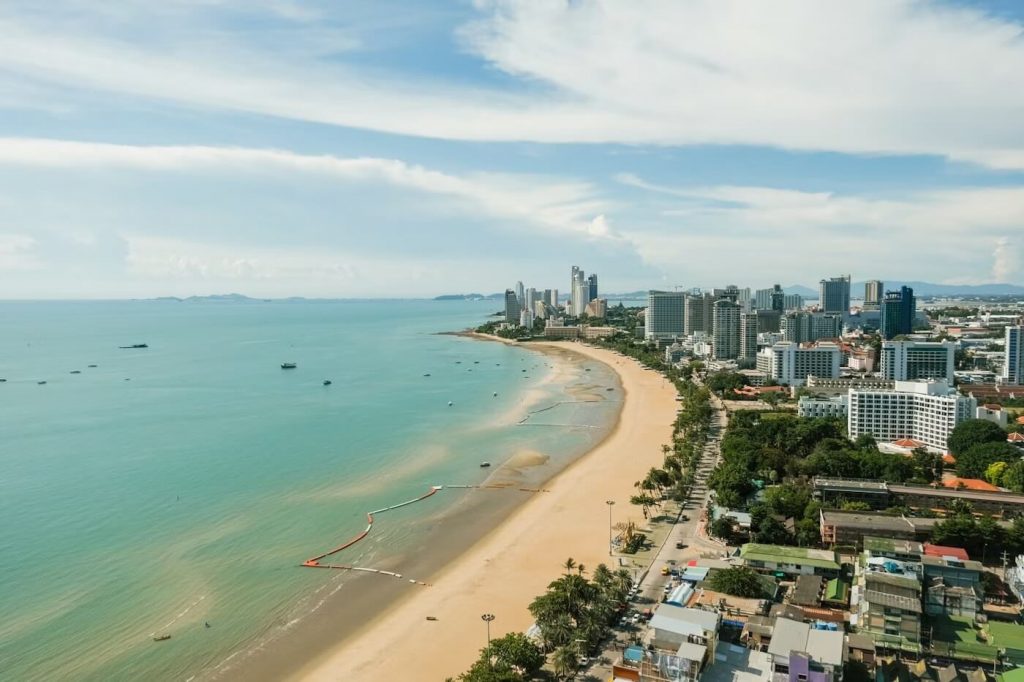
Pattaya offers a mix of beaches, entertainment, and family-friendly attractions, all within easy reach of Bangkok. Beyond nightlife, the area includes nearby islands, temples, and cultural landmarks.
👉 Pattaya Travel Guide
Kanchanaburi – History & Nature

Kanchanaburi blends powerful history with natural beauty. Visitors come to see the Bridge over the River Kwai, war memorials, and Erawan National Park’s tiered waterfalls.
Beaches and Islands in Thailand
Thailand’s beaches and islands are among the best in the world, offering everything from party scenes to secluded escapes. Whether you’re island hopping or settling into one destination, these are some of the top islands and beaches in Thailand.
Koh Phi Phi – Iconic Limestone Landscapes
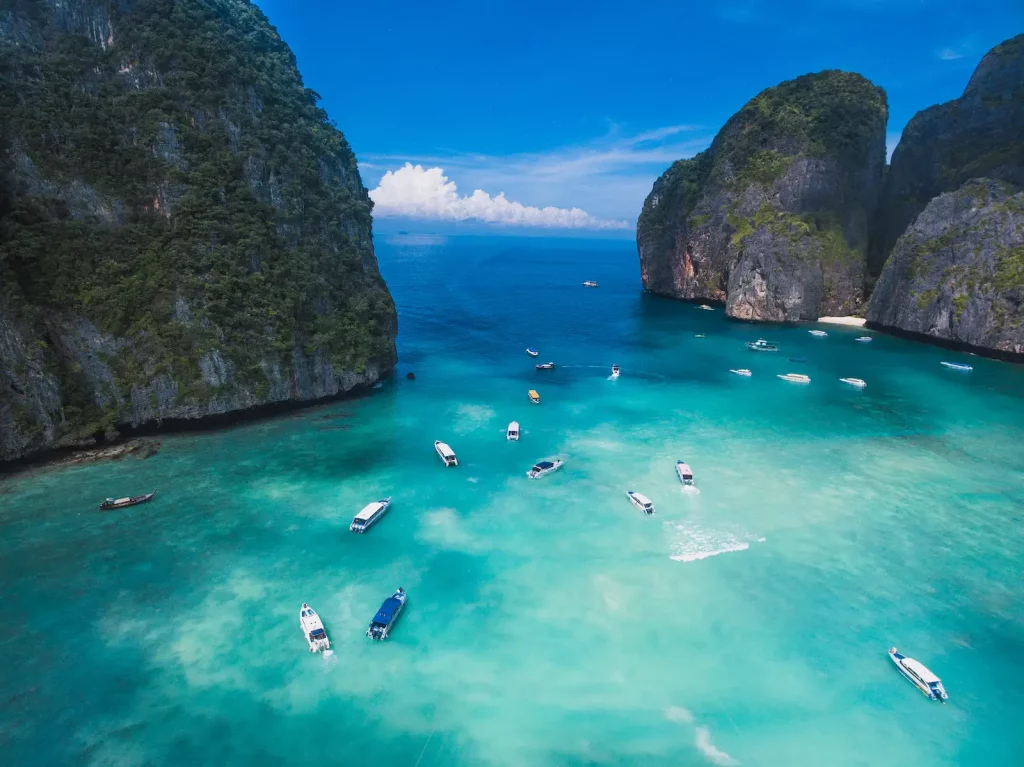
Known for emerald waters and dramatic cliffs, Koh Phi Phi is one of Thailand’s most photographed destinations, with highlights like Maya Bay and excellent snorkeling.
Koh Lanta – Relaxed & Family-Friendly
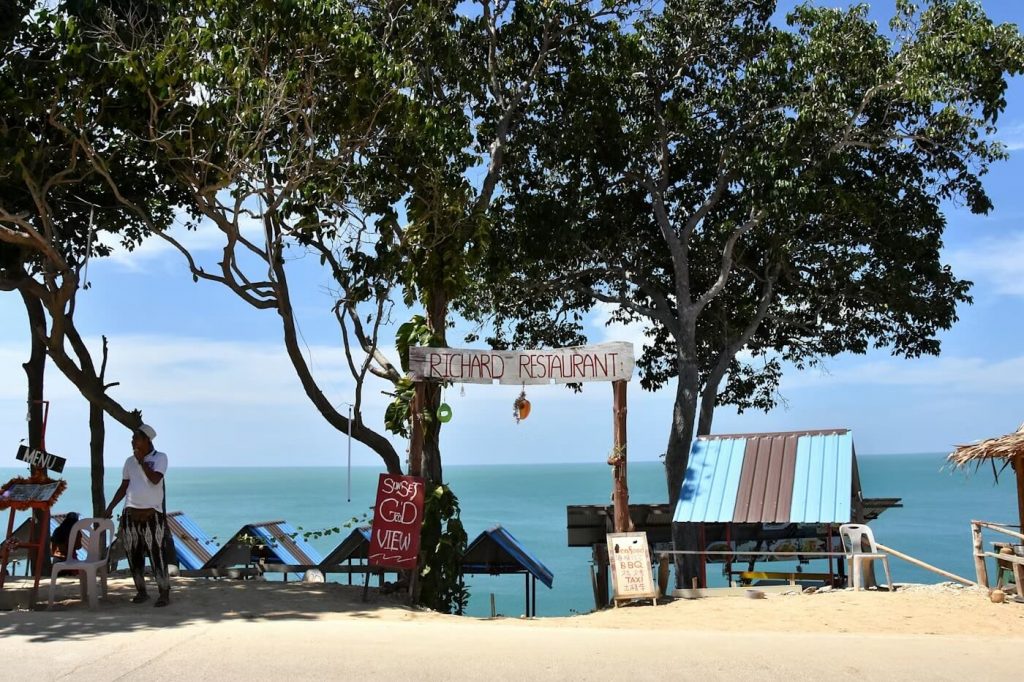
Koh Lanta is quieter than Phuket or Phi Phi, making it ideal for travelers seeking long beaches, laid-back towns, and great diving without heavy crowds.
Koh Tao – Diving & Snorkeling Hotspot
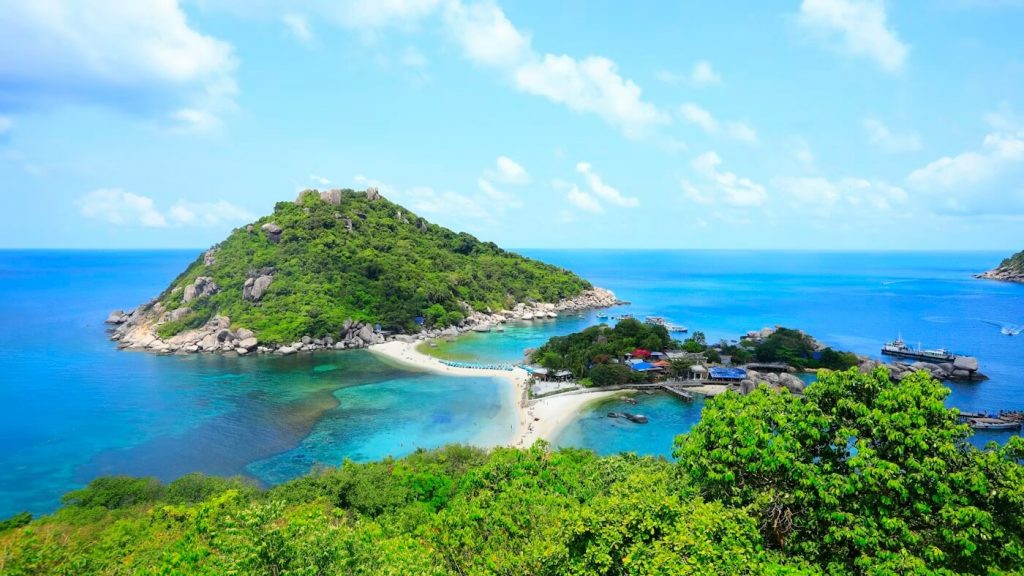
Koh Tao is one of the best places in Southeast Asia to learn scuba diving. Its coral reefs, clear waters, and relaxed vibe attract divers from around the world.
Similan Islands – World-Class Diving
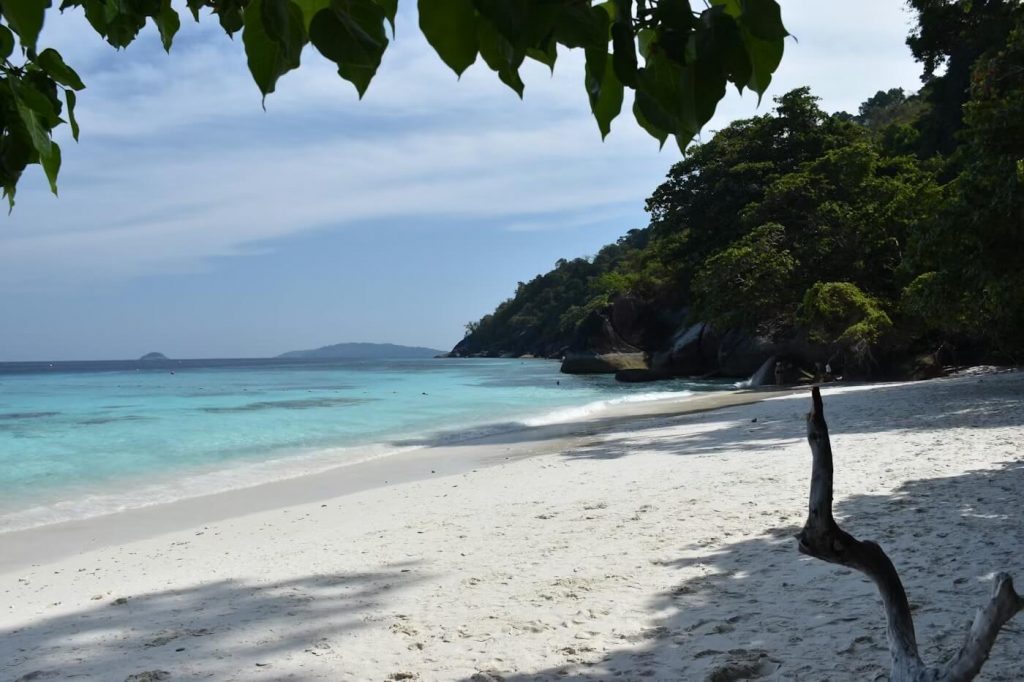
Located off Thailand’s west coast, the Similan Islands are known for pristine waters and exceptional marine life. Access is seasonal, but it’s one of the top dive destinations in Asia.
Koh Phangan – More Than Full Moon Parties
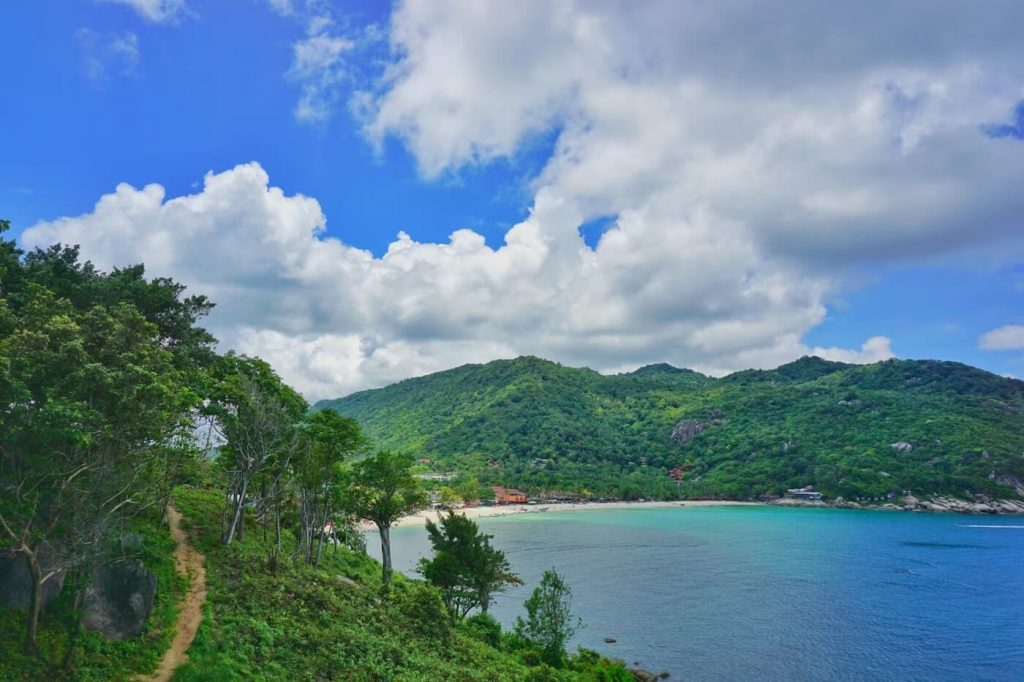
While famous for its Full Moon Party, Koh Phangan also offers quiet beaches, yoga retreats, and jungle interiors perfect for slower travel.
Koh Chang – Jungle Meets the Sea
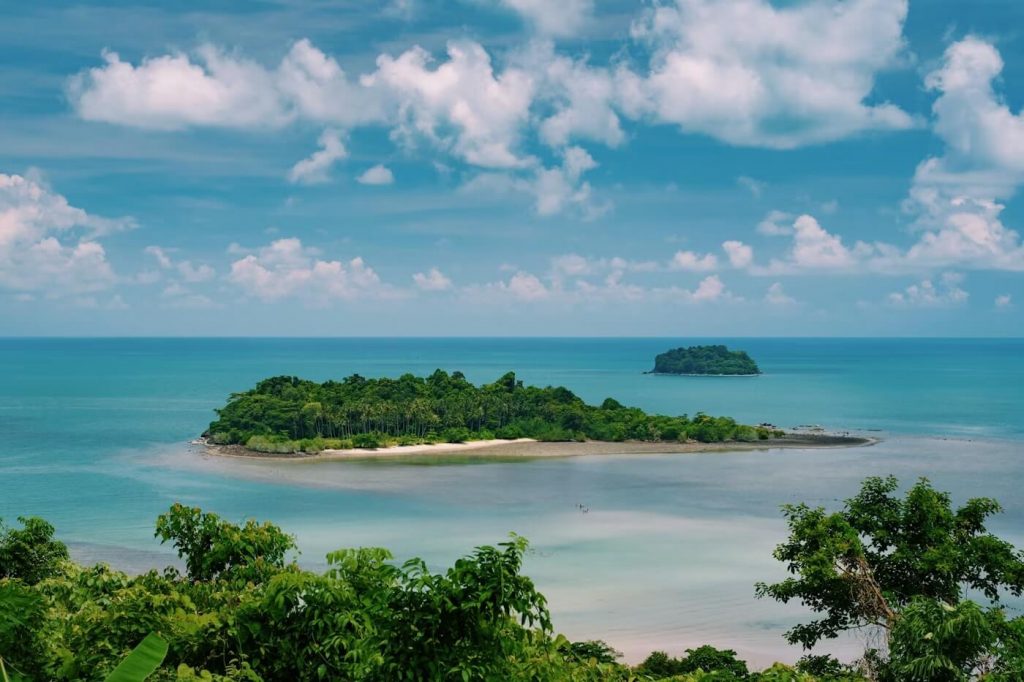
Koh Chang stands out for its rugged terrain, waterfalls, and rainforest-covered hills combined with long beaches and fewer tourists.
Railay Beach – Dramatic Coastal Scenery
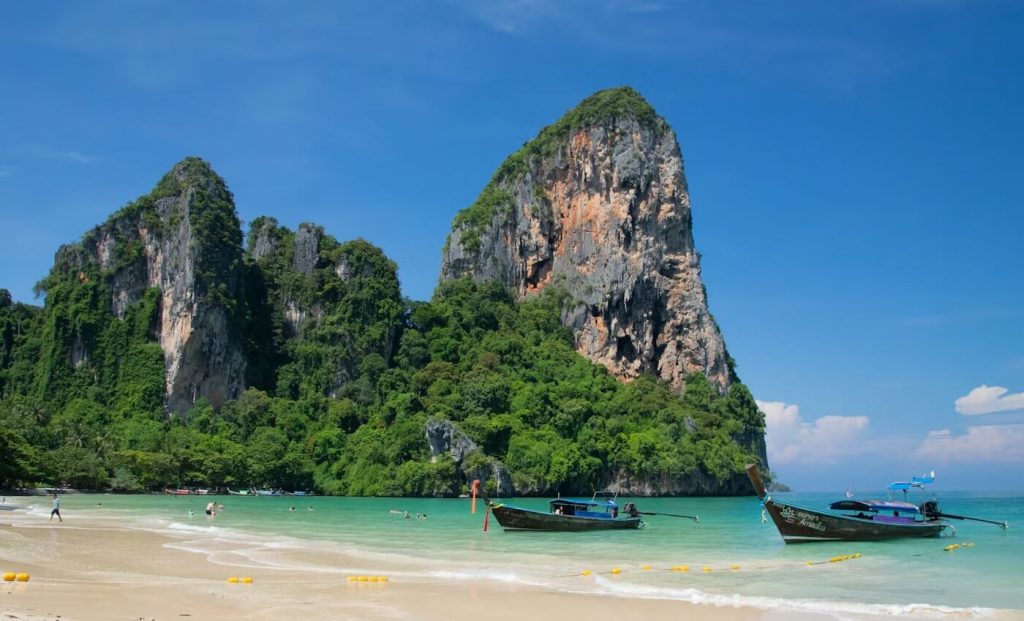
Accessible only by boat, Railay Beach is surrounded by towering limestone cliffs and is a top destination for rock climbing and scenic beaches.
Koh Samet – Easy Escape from Bangkok
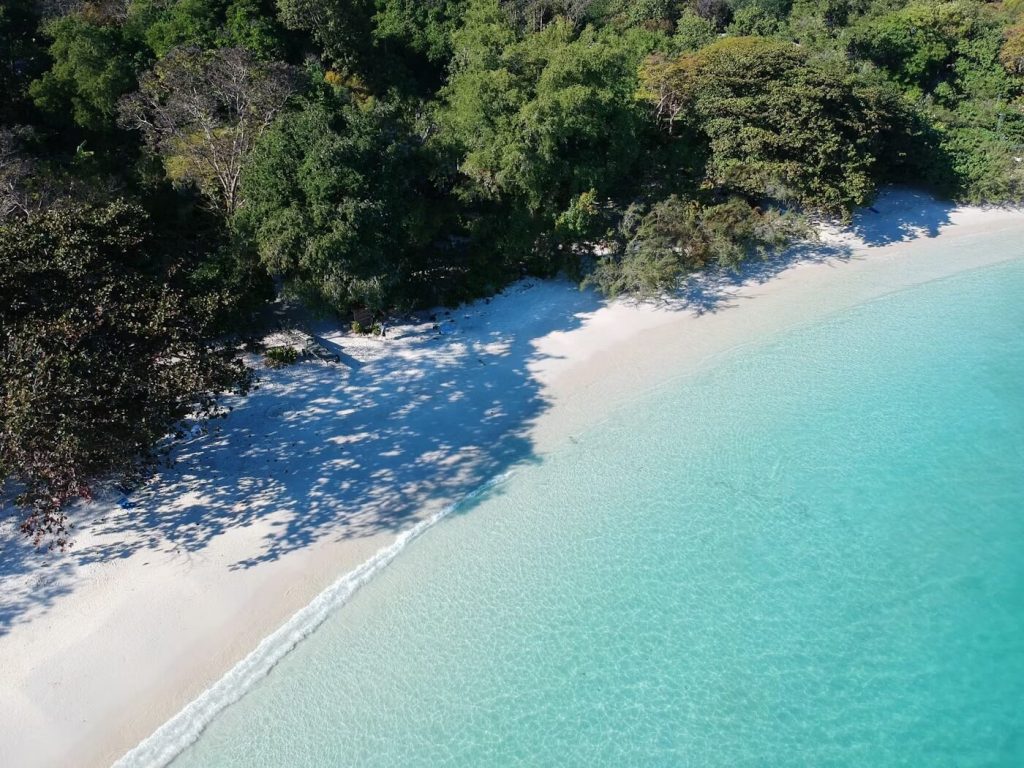
Koh Samet’s proximity to Bangkok makes it a popular weekend getaway. White-sand beaches and clear water make it ideal for a quick island break.
Thailand Visa Requirements: Do You Need a Visa?
Visa-Free Entry: Citizens of 93 countries, including the United States and United Kingdom, can enter Thailand visa-free for up to 60 days for tourism or short-term business. Travelers may extend their stay once for an additional 30 days, allowing a total stay of up to 90 days, making it easy to explore multiple destinations across the country.
Extension of Stay: If you plan to stay beyond the initial 60 days, you can apply for a 30-day extension at a local Thai Immigration Office. The extension fee is 1,900 THB and must be completed before your original permission to stay expires.
Digital TM6 Immigration Form: Thailand has replaced the traditional paper TM6 arrival card with a digital TM6 form. Travelers entering by air are required to complete this form on Thai Immigration website before arrival. You’ll need your passport details, flight information, and accommodation address. After submission, you’ll receive a QR code to present at immigration.
For the most current information and to apply for extensions, visit the official Thai e-Visa website.
Best Times to Visit Thailand
The best time to visit Thailand depends on the weather, region, and what you want to experience.
Cool & Dry Season (November – February)
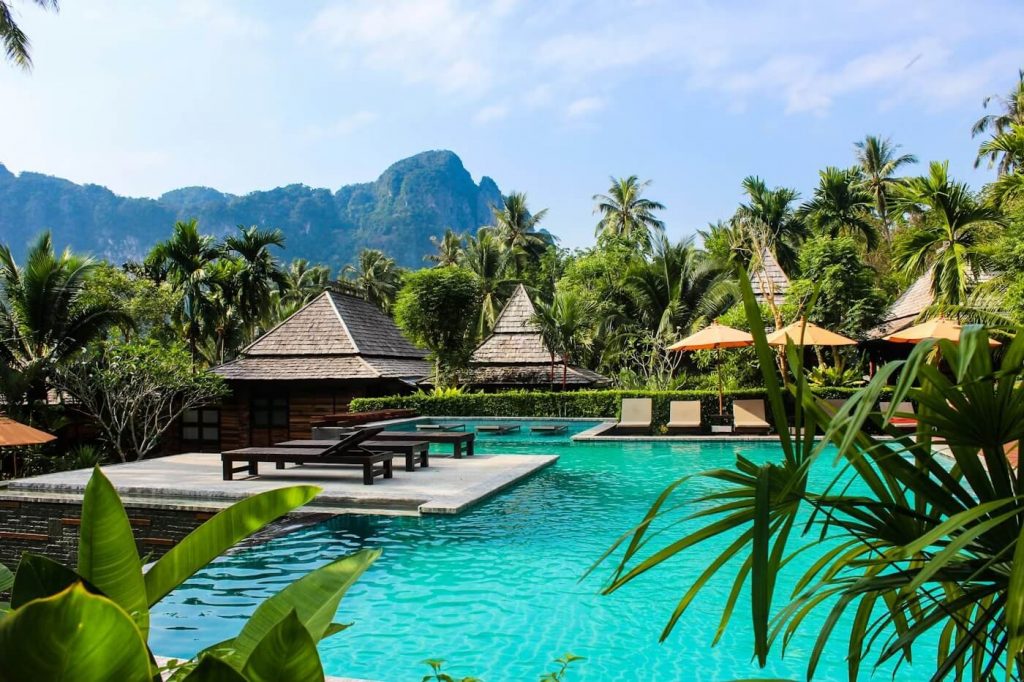
This is the most popular time to visit Thailand. Temperatures are cooler, humidity is lower, and rainfall is minimal, making it ideal for exploring cities, temples, and beaches across the country.
Best for:
- First-time visitors
- Beach destinations and island hopping
- Northern Thailand sightseeing
What to expect:
- Pleasant weather nationwide
- Peak tourist crowds
- Higher accommodation prices
- Major festivals like Loy Krathong and New Year celebrations
Hot Season (March – May)
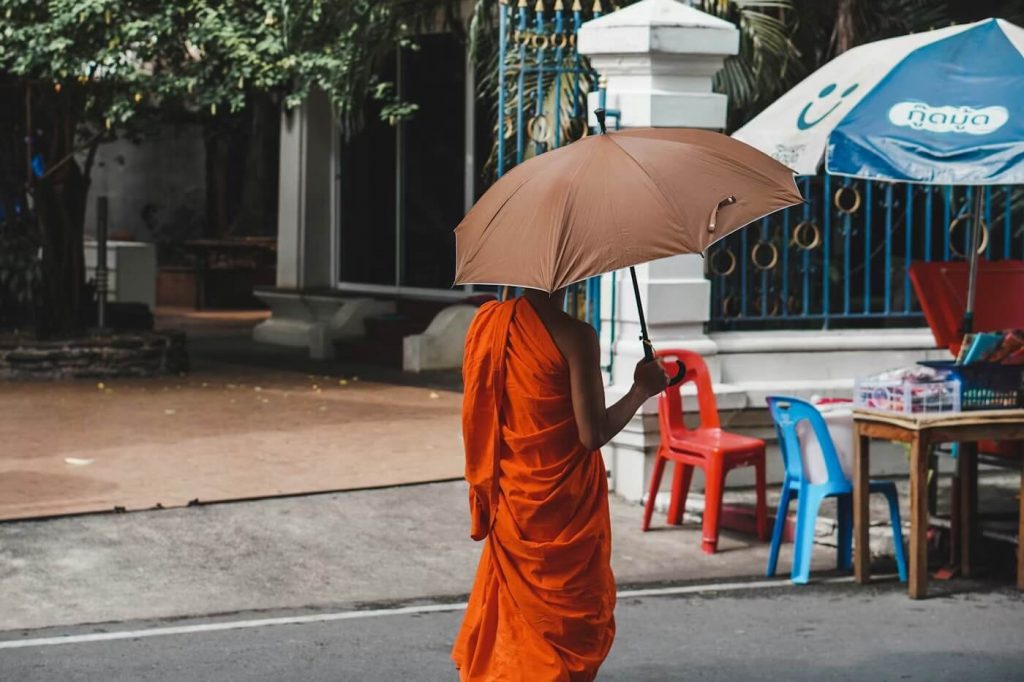
The hot season brings higher temperatures, especially in central and northern Thailand. While daytime heat can be intense, this period is known for lively festivals and fewer crowds outside peak holiday weeks.
Best for:
- Festival lovers
- Travelers who don’t mind heat
- Short trips and island stays
What to expect:
- High temperatures and humidity
- Lower prices before summer holidays
- Songkran (Thai New Year) in April, the country’s biggest festival
Rainy Season (June – October)
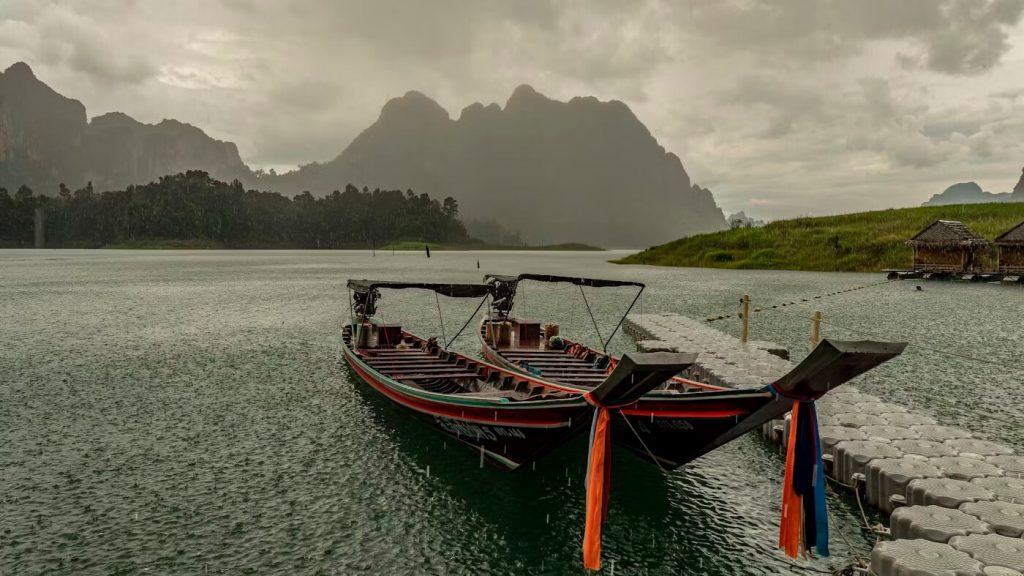
Often called the green or low season, this period sees more rainfall, but it rarely rains all day. Landscapes are lush, crowds are thinner, and travel costs are generally lower.
Best for:
- Budget travelers
- Slow travel and longer stays
- Photography and nature lovers
What to expect:
- Short, heavy downpours
- Fewer tourists
- Better hotel deals
- Rougher seas on the Andaman coast during some months
Regional Weather Tip
- Andaman Coast (Phuket, Krabi): Best from November. to April
- Gulf Islands (Koh Samui, Koh Phangan, Koh Tao): Better weather from May to September compared to the west coast
Overall Recommendation
For most travelers, November to February offers the best balance of weather and activities. However, visiting during the shoulder or rainy season can be rewarding if you’re flexible and want fewer crowds, lower prices, and a more relaxed travel experience.
Cost of Living in Thailand: Is Thailand Expensive?
Thailand is still affordable compared to Western countries, but costs in major cities and island destinations have increased. Travelers visiting Bangkok, Koh Samui, Phuket, Krabi, and Pattaya should plan for higher accommodation prices than in the past, especially during peak season.
In Thailand, the Official Currency is the Baht (฿). Thailand travel tips: We recommend using a Travel Card or Debit Card, which is part of the ATM network in Thailand, so there are no ATM fees. Or if you need a guideline for tipping in Thailand.
Thai Currency best money conversion data courtesy coinmill.com
So, Is Thailand Expensive in 2026?
Thailand is no longer ultra-cheap in popular destinations, but it remains excellent value. Mid-range travelers should expect to spend more than in previous years, particularly on accommodation, while food and transport remain very affordable.
Accommodation
Budget hotels: $30–$45 Mid-range hotels: $50–$80 Luxury hotels: $150–$300+
Food
Street food meals: $2–$4 Local restaurants: $5–$10 Western restaurants: $12–$25 Fine dining: $30–$60+
Transportation
Public transport / metro: $1–$3 Grab / taxi (short rides): $4–$12 Domestic flights: $40–$100 Ferries & island transfers: $15–$40
👉 Link here to your Thailand Cost of Living Guide for deeper city-by-city breakdowns.
| Average Meal in Restaurant | 300฿ | $8.90 |
| Beer in Restaurant or Bar | 100฿ | $2.97 |
| Bottle of Mineral Water | 12฿ | $0.36 |
| Apartment Rural | 9,000฿ | $267 |
| Apartment City Center | 15,000฿ | $445 |
| Average Monthly Net Salary | 24,500฿ | $727 |
Daily Travel Budgets in Thailand
Budget Traveler (Major Cities & Tourist Areas)
Simple hotels, guesthouses, street food, and public transport. This reflects real-world pricing in Bangkok and beach destinations, not rural Thailand.
Daily budget: $50–$75 USD per day
- Accommodation: Basic hotels or simple private rooms
- Food: Street food and local restaurants
- Transport: Public transport, Grab, shared transfers
Mid-Range Traveler (Most Common in 2026)
Comfortable hotels, regular dining out, and domestic travel. This is where most travelers now land.
Daily budget: $90–$150 USD per day
- Accommodation: 3–4 star hotels, boutique stays
- Food: Mix of Thai and Western restaurants
- Transport: Grab, taxis, flights, ferries
Luxury Travel
Resorts, villas, fine dining, and private transport. Thailand still delivers strong luxury value, just not “cheap luxury.
Daily budget: $200–$400+ USD per day Accommodation: Beach resorts, boutique villas Food: Fine dining, beach clubs Transport: Private transfers and premium flights
Transportation and Getting Around Thailand
Thailand has one of the best transportation networks in Southeast Asia, making it easy to travel between cities, islands, and neighborhoods. Whether you’re navigating Bangkok, heading south to the islands, or exploring northern Thailand, there are reliable and affordable transportation options for every travel style.
Local Transportation in Thailand
- Taxis, Grab & Bolt: In major cities like Bangkok, Chiang Mai, Phuket, and Pattaya, taxis and ride-hailing services such as Grab and Bolt are widely used. They’re convenient, affordable, and ideal for travelers with luggage or limited time.
- Tuk-Tuks & Songthaews: Tuk-tuks are an iconic way to get around short distances, especially in tourist areas. Songthaews — shared pickup trucks with bench seating — are common in smaller cities and islands and offer an inexpensive local experience.
- Public Transport (Bangkok): Bangkok has modern public transit options, including the BTS Skytrain and MRT subway, which are efficient and avoid traffic congestion. These are often the fastest way to get around the city.
Traveling Between Cities in Thailand
- Buses & Minivans: Thailand has an extensive bus network connecting cities and regions. Minivans are commonly used for shorter routes and offer faster travel times, though they can be less comfortable for long distances.
- Trains: Train travel in Thailand is a scenic and affordable way to move between major cities. Options range from basic daytime trains to overnight sleeper trains, which are popular for routes like Bangkok to Chiang Mai.
- Domestic Flights: For longer distances, domestic flights are often the most time-efficient option. Thailand has several low-cost airlines offering frequent routes between Bangkok and major destinations.
Island Transportation
- Ferries & Speedboats: Island travel is primarily done by ferries and speedboats. Major hubs like Phuket, Krabi, Surat Thani, and Koh Samui offer frequent connections to nearby islands. Schedules can be weather-dependent, especially during the rainy season.
- Renting Motorbikes & Scooters: Renting a motorbike or scooter is common in beach destinations and smaller towns, but it carries risk. Traffic accidents are a leading cause of injury for travelers Helmets are often not enforced but should always be worn International driving permits are legally required
For most visitors, taxis, ride-hailing apps, or songthaews are safer and more practical alternatives, especially in busy areas.
Internet and SIM Cards in Thailand

Staying connected in Thailand is easy and affordable. For most travelers, a local SIM or eSIM is essential for maps, ride-hailing apps, bookings, and messaging.
eSIM (best option): Activate instantly on arrival, no physical SIM needed Physical SIM: Available at airports and 7-Eleven stores; cheaper in city shops Major networks: AIS, DTAC, TrueMove (strong nationwide coverage) Phone must be unlocked; passport required for SIM registration
Thai Electrical Outlets: Do You Need a Travel Adapter?
Thailand uses Type A and Type C outlets with 220V / 50Hz electricity. U.S. devices usually work without an adapter Other travelers may need a plug adapter Most modern electronics support dual voltage. A universal travel adapter is recommended if you carry multiple devices.
*As an Amazon, Agoda, Klook, and TravelGuide Associate, I earn from qualifying purchases.
Health and Safety in Thailand
Thailand is a safe and well-developed country for travelers, with high-quality healthcare and modern medical facilities, especially in major cities and tourist areas. That said, SafetyWing travel insurance is strongly recommended to cover unexpected medical issues, trip delays, or lost belongings.
Private hospitals in Thailand are excellent and widely used by travelers, but treatment can be costly without insurance. Having coverage ensures peace of mind whether you’re in Bangkok, on the islands, or traveling between destinations.
Health & Safety Tips
- Stay hydrated and use sunscreen in Thailand’s tropical climate
- Carry mosquito repellent, especially in coastal and rural areas
- Bring essential medications with you
- Use normal precautions in nightlife areas and crowded places
- Respect local customs and cultural norms
With basic preparation and proper insurance, traveling Thailand is smooth, safe, and stress-free for most visitors.

Top Things to Do in Thailand: Events, Festivals & Culture
Thailand’s festivals and cultural experiences offer a deeper look into the country’s traditions, spirituality, and joyful way of life. Timing your visit around these events can turn a great trip into an unforgettable one.
Iconic Festivals in Thailand
Songkran (Thai New Year – April)
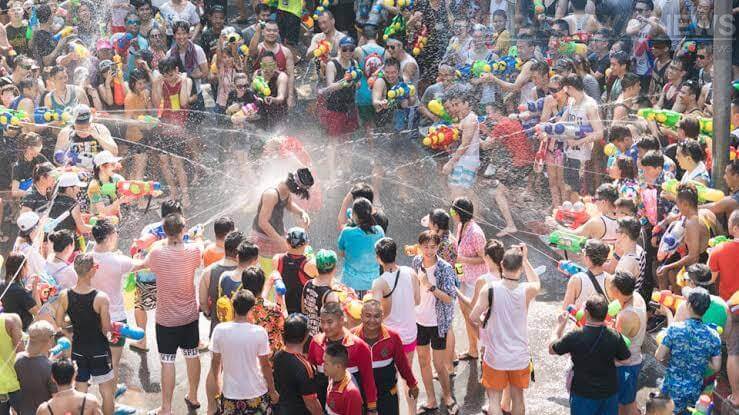
Thailand’s most famous festival celebrates the New Year with nationwide water fights. What began as a ritual of cleansing and renewal has become a joyful, countrywide celebration, especially lively in Bangkok and Chiang Mai.
Loy Krathong (November)
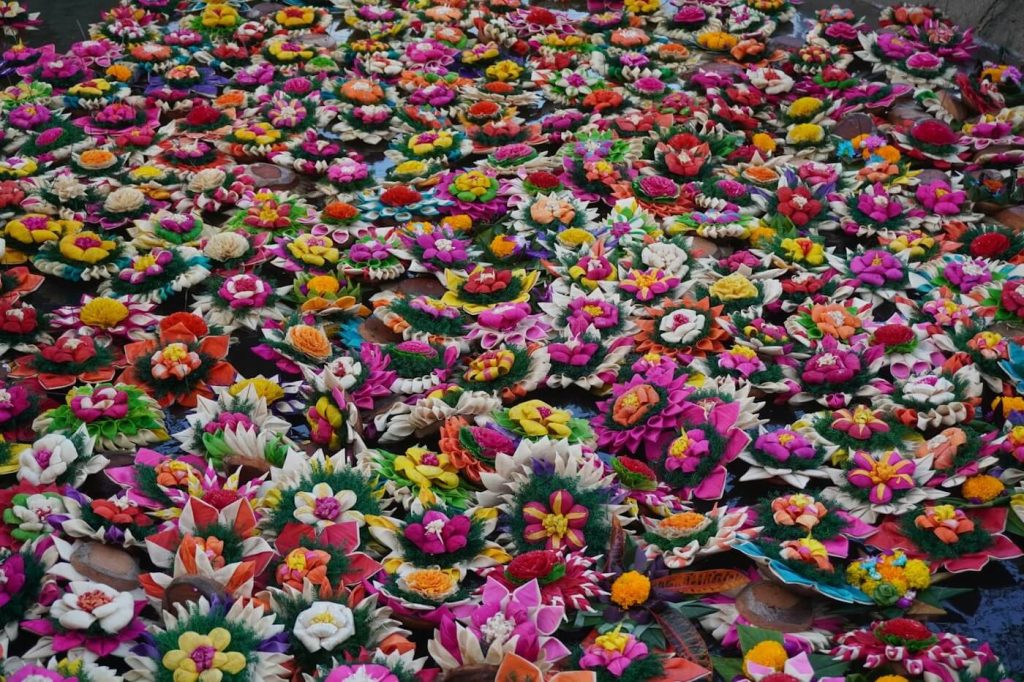
During this enchanting festival, locals float decorated krathongs on rivers and lakes to symbolize letting go of misfortune and giving thanks. It’s one of Thailand’s most beautiful cultural traditions.
Yi Peng Lantern Festival (November)

Held mainly in Chiang Mai, Yi Peng features thousands of lanterns released into the night sky. This event often coincides with Loy Krathong and is one of the most visually stunning festivals in Asia.
Full Moon Party (Koh Phangan)
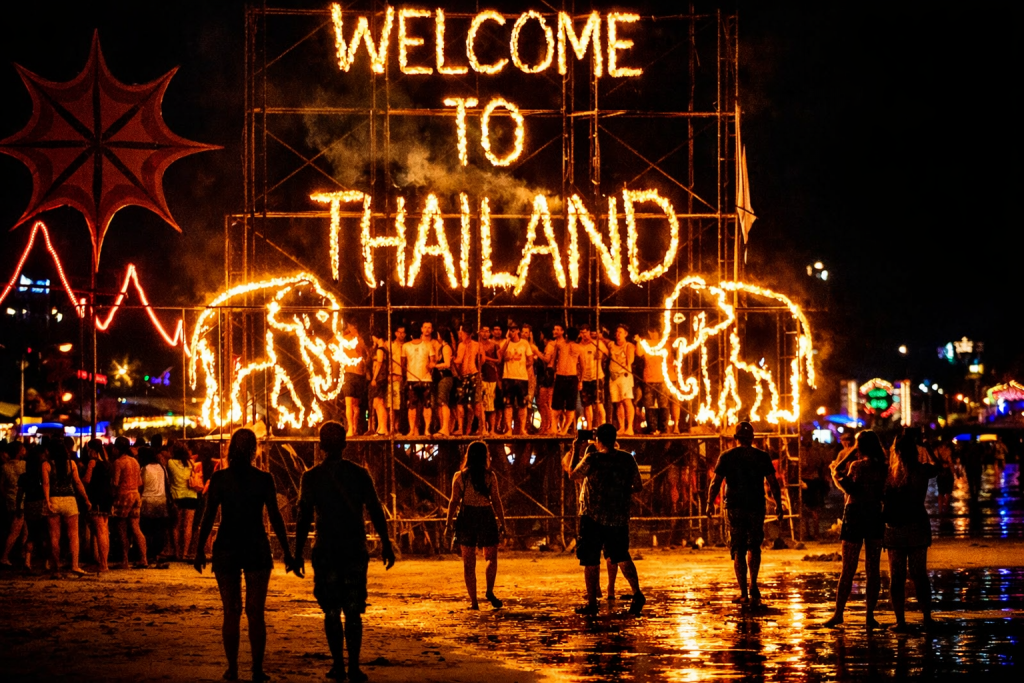
Held monthly, the Full Moon Party is one of Thailand’s most famous nightlife events. While known for its beach party atmosphere, Koh Phangan also offers quieter beaches and wellness retreats outside party nights.
Muay Thai Matches

Watching a Muay Thai fight is a powerful way to experience Thailand’s national sport. Matches combine athletic skill, tradition, and ritual, and are held in major cities and tourist areas.
Traditional Thai Dance & Performances
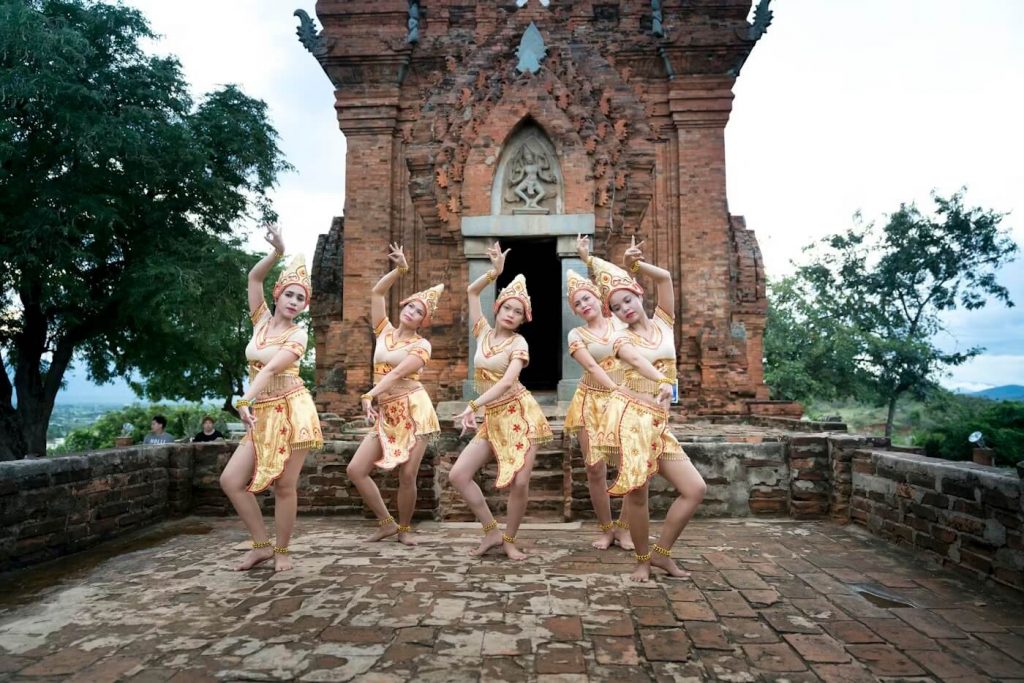
Classical dance forms such as Khon and Ram Thai showcase elaborate costumes, graceful movements, and stories drawn from Thai mythology and literature.
Must-Do Experiences in Thailand
Klook.comThailand offers far more than sightseeing. These experiences capture the heart of the country and help travelers connect with its culture, nature, and everyday life.
- Explore Bangkok’s temples and street markets, from the Grand Palace to riverside neighborhoods
- Visit the ancient ruins of Ayutthaya, a UNESCO World Heritage Site
- Experience ethical elephant sanctuaries that focus on conservation and animal welfare
- Go island hopping in Krabi or Phuket, including the Phi Phi Islands
- Cruise the Chao Phraya River for a unique view of Bangkok
- Relax on Thailand’s iconic beaches, from Koh Samui to the Andaman coast
- Watch or train Muay Thai, Thailand’s national sport
- Join a Thai cooking class and learn classic local dishes
A Culinary Journey Through Regional Thai Cuisine
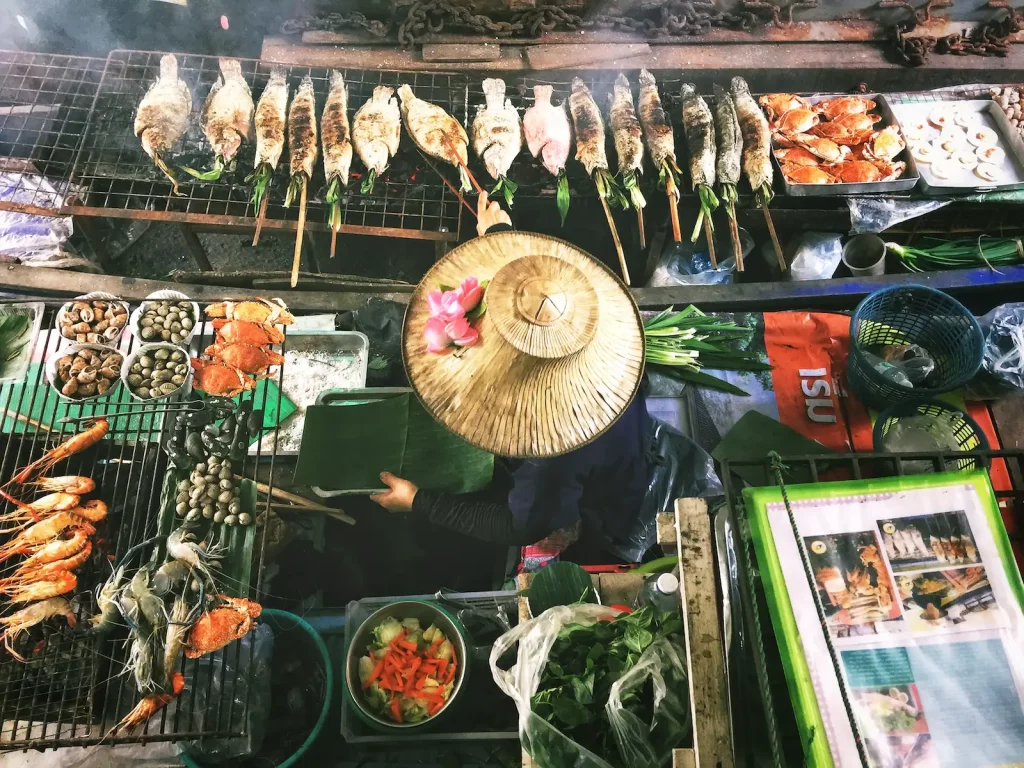
One of the best ways to experience Thailand is through its food. Each region has distinct flavors shaped by geography, climate, and culture—making Thai cuisine incredibly diverse. From Bangkok’s legendary street food to the fiery dishes of the South, eating your way through Thailand is an essential part of the journey.
Bangkok: The Street Food Capital
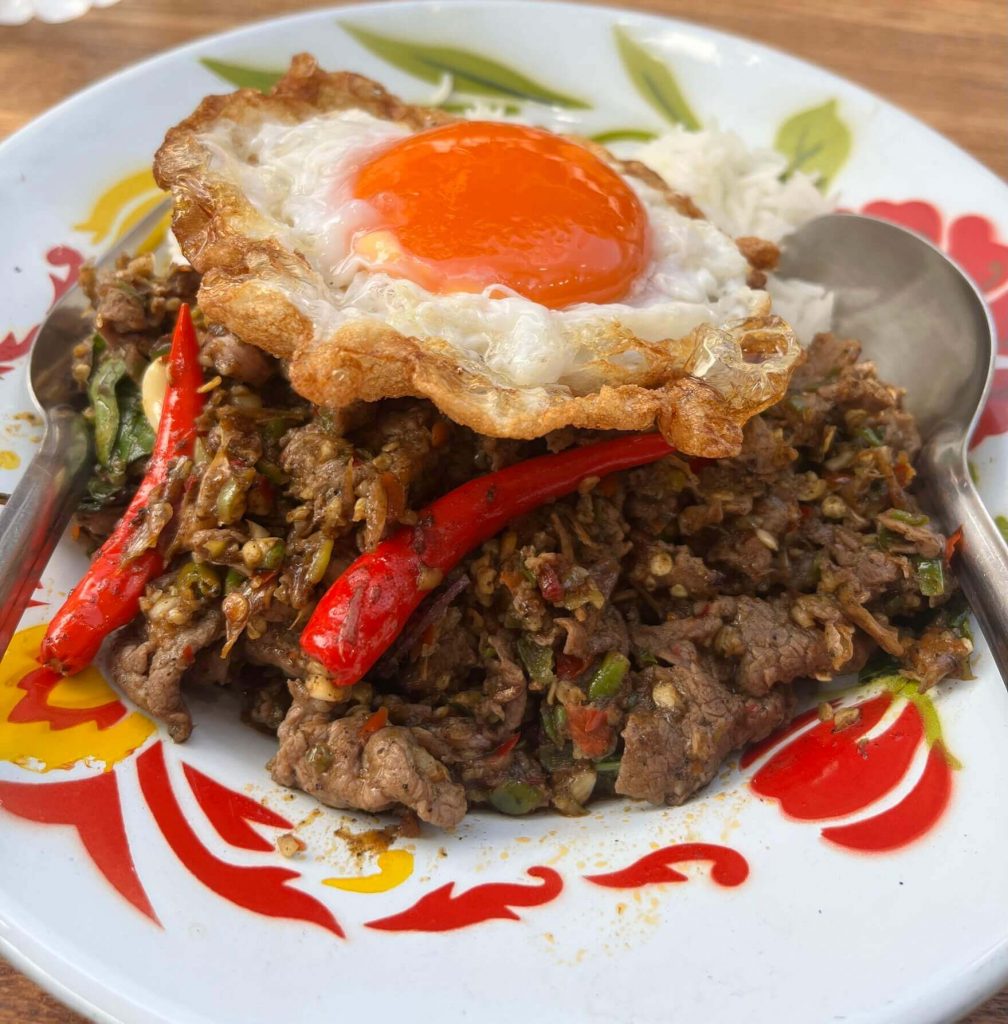
Bangkok is a culinary crossroads where regional flavors collide. Street food dominates the city, offering some of the best meals you’ll find anywhere—often for just a few dollars.
Must-try dishes:
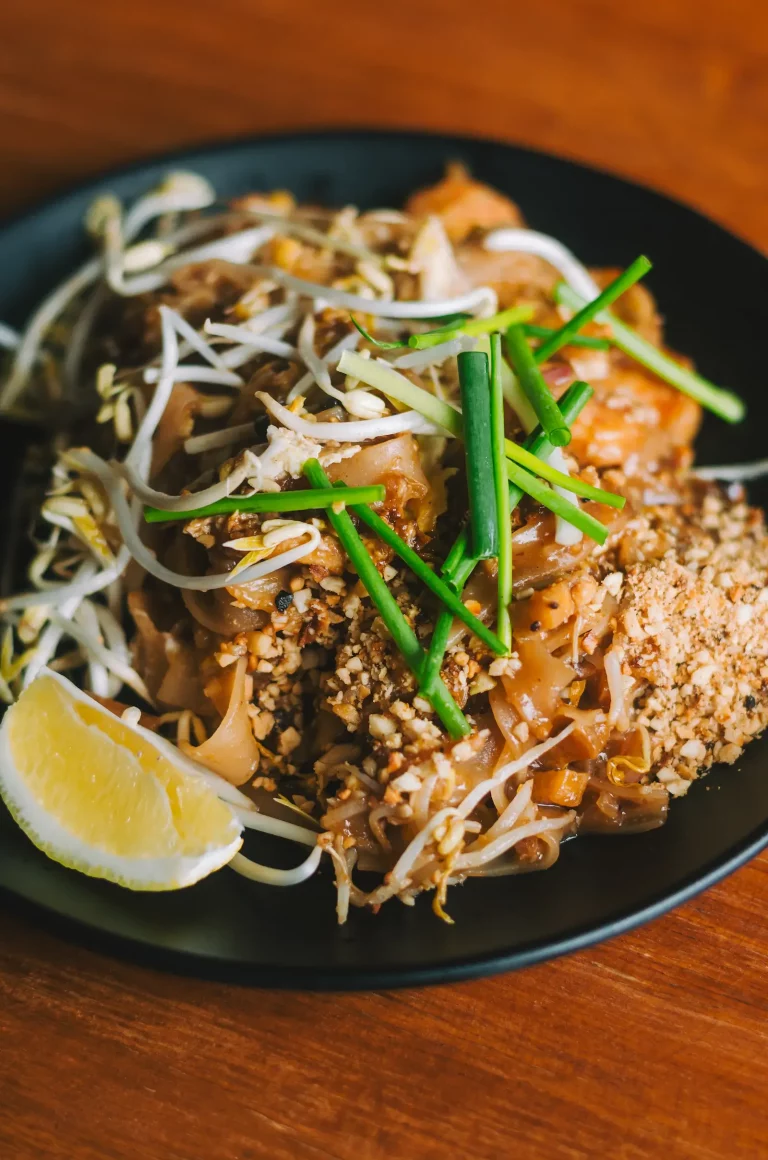
- Pad Thai
- Boat Noodles (Kuay Teow Reua)
- Mango Sticky Rice (Khao Niew Mamuang)
Head to Yaowarat (Chinatown) or Or Tor Kor Market for an unforgettable food crawl.
Northern Thailand: Bold, Herbal, and Hearty
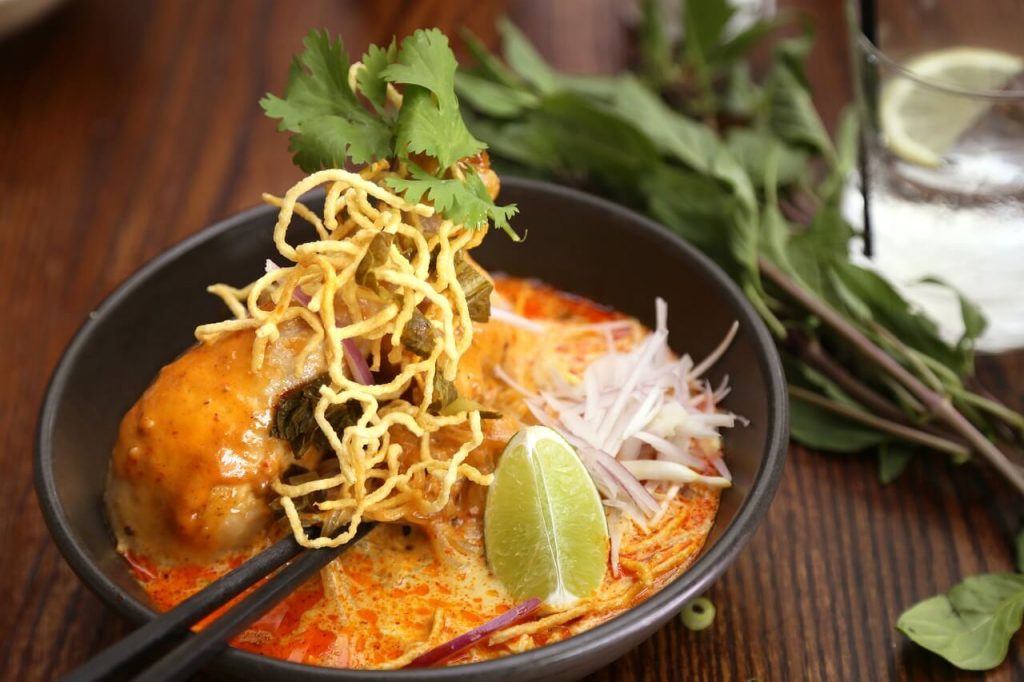
Northern Thai cuisine leans on herbs, slow-cooked meats, and sticky rice, with influences from Laos and Myanmar. The flavors are rich but less sweet than central Thai dishes.
Signature dishes:
- Khao Soi (coconut curry noodle soup)
- Sai Ua (spicy Northern Thai sausage)
- Nam Prik Noom (green chili dip with sticky rice)
Chiang Mai’s night markets are ideal for sampling northern specialties.
Southern Thailand: Spicy, Coconut-Rich, and Seafood-Heavy
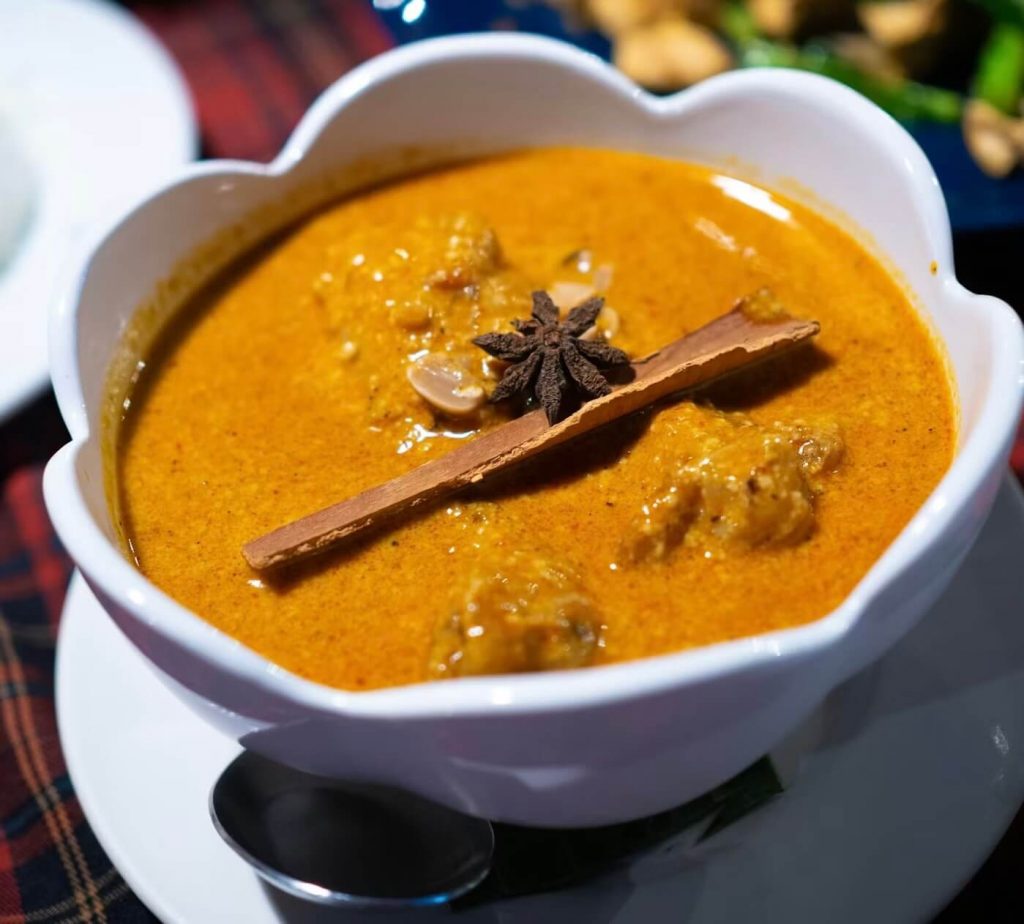
Southern Thai food is the boldest and spiciest in the country, featuring coconut-based curries and abundant seafood. Heat lovers will feel right at home here.
Don’t miss:
- Kua Kling (dry, spicy minced pork)
- Khanom Jeen (fermented rice noodles with curry)
- Gaeng Som (sour, spicy tamarind curry with fish or shrimp)
Phuket and Hat Yai are standout destinations for fresh seafood and southern flavors.
For the most authentic experiences, seek out local markets and night food stalls, where regional dishes are prepared fresh and bursting with flavor. If you’re planning your food itinerary, be sure to check out Top Thai Dishes To Eat for a complete must-try list.
Thailand Travel Guide Conclusion
Thailand offers an unmatched blend of culture, cuisine, affordability, and natural beauty, making it one of the most rewarding destinations in Asia. With this Thailand travel guide, you’re equipped to plan confidently—from visas and transportation to the best places to visit, when to go, what to eat, and how to budget. Whether you’re exploring bustling cities, relaxing on tropical beaches, or immersing yourself in local traditions, Thailand is easy to navigate and endlessly captivating, turning first-time trips into return visits.
Is Thailand a Safe Travel Destination?
Thailand is generally considered a safe travel destination for tourists. The country’s warm hospitality extends to ensuring visitors’ well-being. While incidents can happen anywhere, following common-sense precautions and respecting local customs will contribute to a safe and enjoyable trip. Embrace “Thailand travel tips” like staying vigilant with your belongings, avoiding remote areas at night, and being cautious with unfamiliar situations to ensure a secure and worry-free exploration of this captivating nation.
How Much of a Language Barrier Should I Expect in Thailand?
While English is widely spoken in tourist areas and urban centers, it’s important to note that outside these zones, there might be more of a language barrier. While navigating major cities and popular tourist attractions won’t pose significant communication challenges, venturing into rural areas might require a bit of creativity in bridging the gap. Learning a few basic Thai phrases can go a long way in overcoming language barriers and enhancing your interactions with locals as you embark on your Thai adventure.
How is Transportation and Getting Around in Thailand?
Navigating Thailand is a breeze with its efficient transportation options. From tuk-tuks and taxis to modern public transportation systems, you’ll find it easy to explore the country. Embrace “transportation and getting around” with local insights, and consider using the Skytrain and public boats in Bangkok for a unique urban experience.
What Are Some Must-Try Thai Dishes?
Thai cuisine and street food are legendary, offering an explosion of flavors that should not be missed. From the aromatic Pad Thai to the spicy Tom Yum Goong, each dish is a journey through the country’s culinary heritage. As you indulge in these delights, you’ll be savoring the essence of “Thailand’s history and heritage.”
What’s the Deal with Full Moon Parties?
The Full Moon Party, an iconic event on Koh Phangan’s shores, is a must-attend celebration for many travelers. Occurring during the full moon, this beachfront revelry is a showcase of Thailand’s vibrant nightlife and entertainment options. Dance under the moonlight, witness fire shows, and experience the unique atmosphere that defines Thailand’s nightlife culture.